Female Lederhosen: Cultural History and Alpine Workwear Guide

Beyond the Dirndl: The Evolution of Female Lederhosen
When discussing traditional Bavarian and Alpine clothing, the Dirndl almost exclusively dominates the conversation regarding women's attire. However, a search into the historical and contemporary realities of Alpine Tracht (traditional dress) reveals a fascinating, often overlooked garment: the female lederhosen. Known in German as Damenlederhosen or Mädchenlederhosen, leather breeches for women are not merely a modern Oktoberfest novelty. They are rooted in centuries of alpine practicality, defiance of historical dress codes, and the rugged demands of mountain life.
For cultural garment enthusiasts and those seeking to participate in Alpine traditions with authenticity, understanding the lederhosen female tradition requires looking past mass-produced costumes. This deep dive explores the historical precedents, master craftsmanship, and modern cultural protocols surrounding women in leather alpine wear.
Historical Precedents: Alpine Workwear and the Hosenverbot
To understand why women wore leather trousers, we must look at the socio-economic realities of the 18th and 19th centuries in regions like Tyrol, Salzburg, and Upper Bavaria. Unlike the aristocratic courts of Europe, Alpine communities were defined by grueling physical labor. Women worked alongside men in forestry, high-altitude farming, and dairy production (Almwirtschaft).
During this era, strict sumptuary laws and church mandates often enforced the Hosenverbot (trouser ban) for women, dictating that women must wear skirts to maintain moral and societal order. However, the isolation of the Alps allowed for practical exceptions. Women engaged in logging, smuggling (Pascher), and hunting frequently adopted the Lederhose for its unparalleled durability and protection against harsh brush and freezing temperatures. According to archives at the Bayerisches Nationalmuseum, working-class women in remote alpine valleys often wore shortened, practical leather breeches beneath long overshirts or as part of their daily labor attire, prioritizing survival and mobility over lowland fashion mandates.
The Modern Damenlederhosen: Anatomy and Construction
Today, the Damenlederhose is a celebrated, albeit niche, component of the Tracht wardrobe. Master leatherworkers (Säckler) construct these garments differently than men's lederhosen to accommodate female anatomy while retaining traditional ruggedness.
Materials: Hirschleder vs. Rindsleder
Authentic female lederhosen are crafted from specific leathers. The gold standard is Hirschleder (deerskin), prized for its breathability, softness, and ability to be washed and worn for decades. Rindsleder (cowhide) is heavier, more affordable, and highly resistant to abrasion, making it ideal for heavy outdoor work. The Deutsches Ledermuseum in Offenbach highlights that traditional alpine tanning uses natural fats and oils, giving the leather its distinctive, slightly smoky scent and supple texture.
Structural Comparison: Men's vs. Female Lederhosen
| Feature | Traditional Men's Lederhosen | Modern Female Lederhosen (Damenlederhosen) |
|---|---|---|
| Cut & Rise | High-waisted, drop-front flap (Latz), straight leg. | Mid-to-high rise tailored for hips, often side-zip or tailored button fly, tapered leg. |
| Suspenders (Hosenträger) | Wide leather braces with a decorated cross-piece (Steg). | Often narrower, sometimes removable, or replaced by intricate side-lacing or tailored waistbands. |
| Length | Short (Kurze) or Knee-bund (Kniebund). | Short (Kurze), Knee-bund, or modern cropped capri lengths for warmer festivals. |
| Embroidery (Stickerei) | Geometric, oak leaves, hunting motifs, edelweiss. | Floral alpine motifs, delicate edelweiss vines, softer color palettes (e.g., bordeaux, forest green thread). |
Embroidery (Stickerei) and Regional Motifs
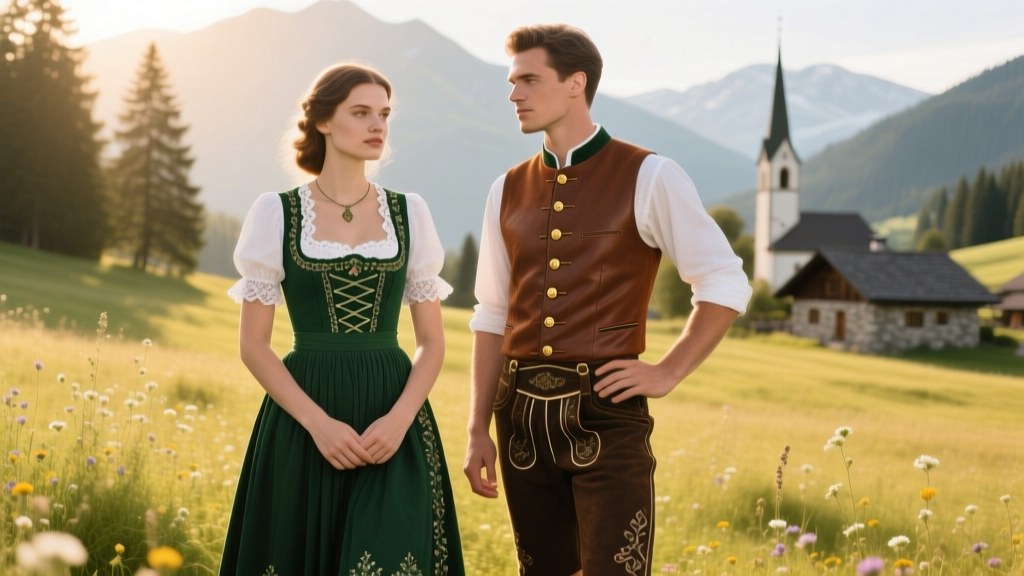
The embroidery on a pair of lederhosen is a geographic fingerprint. While men's trousers often feature bold oak leaves (Eichenlaub) and hunting horns, female lederhosen frequently incorporate the Alpine rose (Alpenrose), edelweiss, and intricate floral vines. The Bayerischer Trachtenverband (Bavarian Traditional Costume Association) notes that specific stitching patterns can indicate a wearer's home valley or regional affiliation. Hand-stitched embroidery using waxed linen thread is a hallmark of a true Säckler-made garment, ensuring the design withstands decades of wear and leather stretching.
Cultural Protocol: When and How to Wear Female Lederhosen
Wearing Damenlederhosen requires an understanding of cultural context to avoid reducing a rich tradition to a mere costume. In contemporary Alpine culture, women wearing lederhosen is widely accepted at specific events, provided the garments are authentic and styled respectfully.
Appropriate Occasions
- Oktoberfest & Volksfeste: While the Dirndl is the majority attire, authentic female lederhosen are highly respected at Munich's Oktoberfest, particularly among women working in the beer tents or those from rural Bavarian hunting and marksmen (Schützen) families.
- Alpine Hiking & Outdoor Work: The original purpose of the garment. Wearing leather breeches for mountain trekking is both culturally accurate and highly practical.
- Schützenfeste (Marksmen Festivals): Female members of traditional shooting clubs often wear tailored leather trousers as part of their formal parade uniforms.
Styling the Complete Tracht Ensemble
To wear female lederhosen with cultural integrity, the accompanying garments must align with Alpine tradition:
- The Shirt: Pair with a traditional Karohemd (checkered flannel or cotton shirt) or a crisp, white linen Trachtenbluse with horn buttons. Avoid low-cut or synthetic novelty tops.
- The Footwear: Haferlschuhe (traditional alpine shoes with side lacing) or robust leather loafers worn with thick, calf-high wool socks (Trachtenstutzen). Never pair authentic lederhosen with sneakers or high heels.
- The Hat: A classic Tirolerhut (Tyrolean hat) made of loden wool, adorned with a Gamsbart (chamois beard) or a tuft of eagle feathers, completes the silhouette.
'Tracht is not a costume to be put on and discarded; it is a living expression of regional identity, craftsmanship, and respect for the Alpine environment.' — Archival Guidelines, Bayerischer Trachtenverband.
Sourcing Authentic Damenlederhosen: Artisans and Price Guide
The market is flooded with cheap, mass-produced 'costumes' made from synthetic pleather and polyester thread. These hold no cultural value and deteriorate quickly. Investing in authentic female lederhosen means supporting master artisans. Below is a guide to what you can expect to pay for genuine garments.
Price Tiers and What to Expect
- Mass-Market / Costume Grade (€40 - €90): Made from split cowhide or synthetic materials with machine-glued embroidery. Verdict: Avoid for cultural events.
- Mid-Tier Trachten Brands (€150 - €350): Brands like Luis Trenker or entry-level Meindl offer genuine cowhide or basic deerskin with machine-assisted embroidery. Good for occasional festival wear.
- Artisan / Bespoke Säckler (€450 - €900+): Custom-fitted, hand-tanned Hirschleder with 100% hand-stitched Stickerei. These are heirloom pieces that mold to the wearer's body over time and last a lifetime.
Where to Buy
For authentic pieces, seek out established Bavarian and Austrian Trachten houses. Brands such as Meindl Tracht, Angermaier, and regional Säckler workshops in towns like Garmisch-Partenkirchen or Innsbruck offer dedicated Damenlederhosen collections. When purchasing, always check for the Echtheitssiegel (seal of authenticity) or ask about the origin of the leather and the tanning process.
Redefining Alpine Tradition
The narrative of the lederhosen female tradition is one of resilience, practicality, and evolving cultural expression. Far from being a modern invention or a mere fashion statement, women in leather breeches represent a historical continuity of Alpine women who refused to let lowland mandates dictate their ability to work, hunt, and thrive in the mountains. By choosing authentic, artisan-crafted Damenlederhosen and styling them with respect for regional protocols, modern wearers honor the fierce, independent spirit of the Alps.