Dirndl Vest Etiquette: How to Wear the Trachtenweste

The English search term dirndl vest frequently causes confusion among those newly introduced to Alpine folk dress. In the authentic world of Bavarian, Austrian, and Tyrolean Tracht (traditional dress), there is no single garment simply called a 'dirndl vest.' Instead, this term is an anglicized catch-all that refers to two distinct, highly regulated components of Alpine womenswear: the Mieder (the structured bodice of the Dirndl dress itself) and the Trachtenweste (a separate, sleeveless outer vest worn over a blouse). Understanding the distinction, construction, and etiquette of these garments is essential for anyone wishing to wear Alpine folk dress with cultural respect and historical accuracy.
Defining the Dirndl Vest: Mieder vs. Trachtenweste
To navigate wearing etiquette, one must first master the native terminology. According to the Bayerischer Trachtenverband (Bavarian Tracht Association), the foundation of the Dirndl is the Mieder. This is the tightly fitted, often boned bodice that integrates directly into the skirt of the dress. It features a front closure that is either laced or hooked.
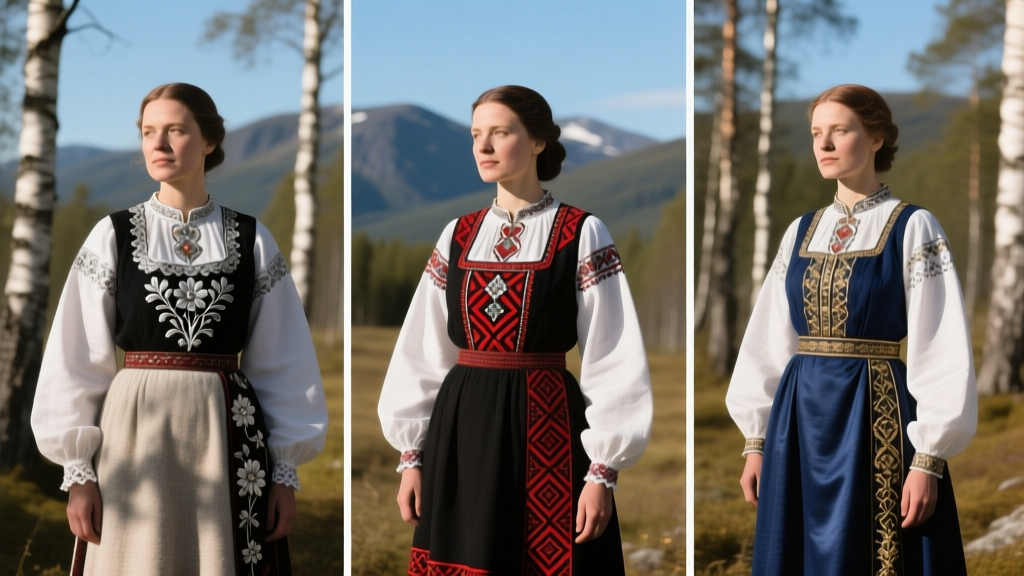
The Trachtenweste, conversely, is an independent layering piece. Worn primarily in regions like Salzburg, Tyrol, and the Ausseerland, the Trachtenweste is tailored from rich fabrics such as velvet, brocade, or fine wool and is layered over the Dirndlbluse (blouse) and beneath the apron. While the Mieder is structurally part of the dress, the Trachtenweste offers modular versatility, allowing the wearer to adapt their outfit to shifting alpine temperatures and varying degrees of formality.
The Art of the Schnürung: Lacing Etiquette and Mechanics
Whether you are dealing with a front-lacing Mieder or a decorative Trachtenweste, the Schnürung (lacing) is a focal point of Alpine etiquette. The lacing cord, known as the Miederschnur, is traditionally made of braided silk, velvet ribbon, or leather.
Hidden Hooks vs. Decorative Cords
In highly formal, aristocratic variations of the Tracht—such as the Salzburger Festtagstracht—the bodice or vest often closes with hidden hooks and eyes (Haken und Ösen) to create a seamless, unbroken silhouette. In these cases, a lacing cord is entirely omitted. Conversely, for everyday (Alltagstracht) and festival wear, visible lacing is standard.
The Golden Rule of Lacing: The lacing must always be symmetrical and pulled taut enough to provide structural support without warping the fabric or causing the wearer visible distress. The cord should be threaded through silver, brass, or horn eyelets (Ösen). Never use cheap, stamped metal grommets that rust or tear the fabric, as this is a hallmark of mass-produced costume wear (Landhausmode) rather than authentic Tracht.
At the bottom of the lacing, the cord is tied into a neat, symmetrical bow or tucked discreetly behind the lacing cross. Unlike the apron bow—which famously signals the wearer's relationship status—the bodice or vest bow holds no romantic symbolism; it is purely a functional and aesthetic finish.
Occasion Mapping: When to Wear Which Vest
Wearing the correct style of Mieder or Trachtenweste is dictated by the time of day, the liturgical calendar, and the specific event. The Tiroler Volkskunstmuseum archives demonstrate how historically, alpine communities strictly regulated the use of luxurious fabrics like silk and gold thread based on the solemnity of the occasion.
| Occasion | Preferred Vest/Bodice Type | Fabric & Color Protocol | Accessories & Layering |
|---|---|---|---|
| Kirchweih (Church Festival) | Closed Mieder or modest Trachtenweste | Dark wools, deep greens, or navy. Minimal embroidery. | High-necked blouse, silk headscarf, no excessive jewelry. |
| Hochzeit (Alpine Wedding) | Brocade Trachtenweste or silk Mieder | Rich jewel tones, gold/silver floral brocade, velvet. | Goldhaube (if applicable), pearl necklaces, lace shawl. |
| Wiesn / Oktoberfest | Front-lacing Mieder (Dirndl dress) | Cotton, linen, or light velvet. Bright or muted autumn tones. | Charivari (silver chain), dirndl apron, low-cut blouse acceptable. |
| Schützenfest (Marksmen) | Structured Trachtenweste with piping | Forest green, charcoal, or regional guild colors. | Decorative pins, hunting motifs, felt alpine hat. |
Regional Protocols: Salzburg, Tyrol, and Bavaria
Etiquette shifts dramatically as you cross regional borders. In Bavaria (particularly the Miesbach and Werdenfels regions), the Mieder is the undisputed centerpiece. The Bavarian bodice is heavily structured, often featuring a Steckerl—a beautifully embroidered, triangular insert pinned or laced at the front center. The Salzburg Museum notes that in Salzburg, the separate Trachtenweste is far more prevalent, often crafted from lush, unpatterned velvet and paired with a gold-lace Goldhaube (bonnet) for high church holidays.
In Tyrol and the Ausseerland, the vest takes on a more utilitarian yet fiercely elegant form. Tyrolean vests frequently feature intricate Passepoilierung (contrast piping) and are worn over a crisp white linen blouse. The etiquette here demands that the vest fit impeccably across the shoulders; a drooping shoulder seam is considered highly improper in Tyrolean Tracht circles.
Common Etiquette Mistakes to Avoid
When adopting Alpine folk dress, avoiding the pitfalls of 'costume' (Kostüm) versus 'tradition' (Tracht) is paramount.
- The Froschgoscherl Misconception: Many English guides mistakenly claim that the Froschgoscherl (frog-mouth pleats) are located on the vest. This is incorrect. These intricate, folded pleats are exclusively a feature of the Dirndl skirt's waistband, serving to add volume while keeping the waistline flat beneath the apron.
- Improper Layering: A Trachtenweste should never be worn bare against the skin. It requires a high-quality Dirndlbluse underneath. The neckline of the blouse must harmonize with the cut of the vest; a square-necked blouse should not awkwardly protrude from a round-necked vest.
- Apron Overlap: The apron must always sit smoothly over the bottom edge of the Mieder. Tucking the apron into the bodice or wearing it beneath the bodice's bottom hem is a severe breach of traditional styling.
Investment Guide: Pricing and Artisan Sourcing
Authentic Tracht is an investment in slow fashion and regional artisanship. The market is divided into three distinct tiers, each reflecting different levels of construction and material integrity.
Spotting Authentic Construction
When evaluating a Trachtenweste or a high-end Mieder, examine the interior. Authentic garments feature a fully lined interior (Baumwollfutter) to absorb perspiration and protect the delicate outer fabrics. The boning, if present, should be encased in fabric channels, never pressing directly against the lining. Look for hand-finished details like the Spenzer edge stitching.
Price Tiers and Expectations
- Fast Fashion / Landhausmode (€50 - €120): Typically made from polyester blends, featuring glued-on appliqués and stamped metal eyelets. These are considered costumes and are frowned upon at traditional alpine gatherings, though common in tourist-heavy Munich beer halls.
- Mid-Tier Manufactory (€180 - €450): Produced by established Tracht houses in Austria and Bavaria. These feature genuine cotton/linen blends, real horn buttons, proper structural boning, and durable silk-blend lacing cords. Ideal for regular festival and wedding guests.
- Bespoke Artisan / Maßschneiderei (€600 - €1,500+): Hand-cut and tailored to the wearer's exact measurements by a master Trachtenschneider. These utilize antique brocades, hand-embroidered Steckerl inserts, and silk velvet. This tier is reserved for active members of Trachtenvereine (folk dress preservation societies) and brides.
Wearing a Trachtenweste or a beautifully laced Mieder is an act of cultural participation. By understanding the mechanics of the Schnürung, respecting regional fabric protocols, and investing in proper construction, you honor the living heritage of Alpine artisans and ensure your presence at any European folk occasion is both elegant and deeply respectful.