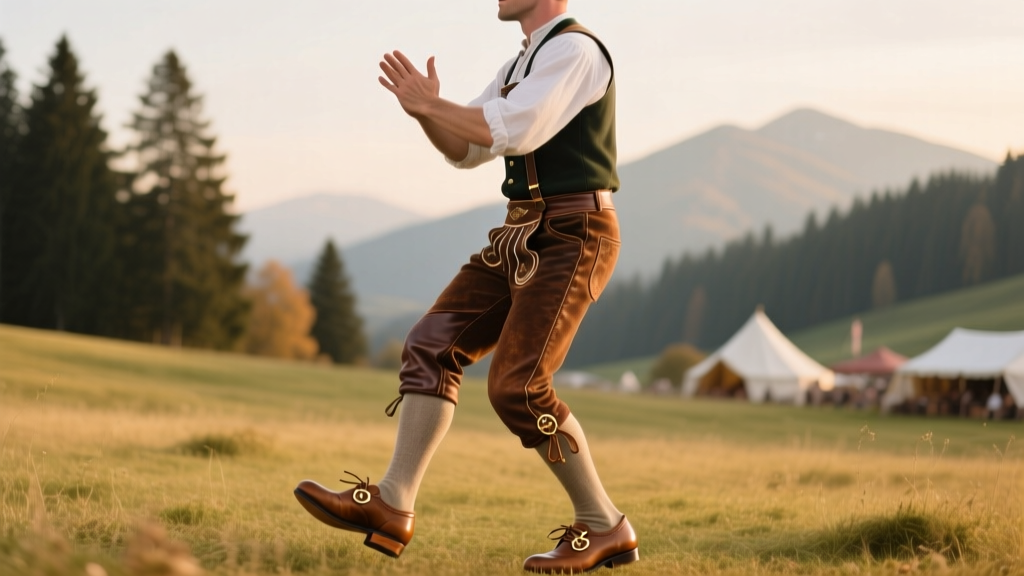
Best Dirndl Shoes for Oktoberfest & Festivals 2026

When assembling the perfect Tracht (traditional folk dress) for Alpine festivals, the dirndl and apron often steal the spotlight. However, any seasoned attendee of the Wiesn (Oktoberfest) or a Tyrolean Almabtrieb will tell you that your outfit is only as good as your footwear. Dirndl shoes, known natively as Trachtenschuhe, are the vital anchor of Bavarian and Austrian folk dress. They must balance historical authenticity, aesthetic harmony, and the brutal physical reality of navigating cobblestones, beer tents, and muddy alpine meadows.
As we look toward the festival season of 2026, the emphasis in traditional garment circles is shifting back to heritage craftsmanship and away from fast-fashion costume pieces. Whether you are attending a high-end Dirndl-Hochzeit (dirndl wedding) or spending twelve hours in a Munich beer tent, this comprehensive guide will walk you through the anatomy, etiquette, and acquisition of authentic dirndl shoes.
The Historical Evolution of Alpine Footwear
To understand what constitutes a proper Trachtenschuh, we must look at its rural origins. According to the textile archives at the Bayerisches Nationalmuseum (Bavarian National Museum), the romanticization of Alpine peasant dress in the late 18th and 19th centuries transformed utilitarian workwear into a symbol of regional pride. Originally, rural women wore sturdy, flat, lace-up leather shoes designed for farm labor and mountainous terrain.
As the dirndl was adopted by the urban upper classes in the late 19th century—a phenomenon well-documented by the Münchner Stadtmuseum—the footwear evolved. The rustic work shoe was refined into the elegant Spangenschuh (Mary Jane style), incorporating delicate buckles, softer leathers, and a modest heel to suit promenades and festive dances. Today, authentic dirndl shoes remain a hybrid of this history: rugged enough for a festival ground, yet elegant enough for a ballroom.
The Three Pillars of Trachtenschuhe
When shopping for dirndl shoes, you will encounter three primary silhouettes. Each serves a different cultural and practical function.
1. The Spangenschuh (The Classic Mary Jane)
The Spangenschuh is the undisputed queen of dirndl footwear. Characterized by a rounded toe, a low-to-mid block heel (typically 3 to 5 centimeters), and a single strap across the instep, this shoe is universally flattering and deeply traditional. The strap is usually fastened with a decorative buckle (Schließe), which can be crafted from antique silver, carved horn, or enamel. For 2026 festival trends, matte suede (Veloursleder) in deep forest green, navy, or classic black remains the most sought-after material.
2. The Schnürstiefel (The Lace-Up Ankle Boot)
For autumn festivals, such as the Almabtrieb (the ceremonial driving down of cattle from alpine pastures) or cooler Oktoberfest evenings, the Schnürstiefel is the preferred choice. These ankle-height lace-up boots often feature intricate brogue detailing or perforated floral patterns along the leather seams. They provide essential ankle support and warmth, and they pair exceptionally well with heavier, wool-blend winter dirndls.
3. The Haferlschuh (The Rustic Alternative)
While the Haferlschuh (a robust, side-lacing shoe with a distinctive toe cap) is traditionally the domain of men's Lederhosen attire, a growing movement of women in the Alpine folk dress community are adopting flattened, feminine versions of the Haferl. Worn with a midi-dirndl and thick wool socks, this style projects a confident, grounded, and fiercely authentic rural aesthetic, eschewing the commercialized 'beer tent' look in favor of genuine alpine heritage.
Festival Etiquette: The Golden Rules of the Wiesn
Wearing the wrong shoes to a traditional European folk festival is not just a fashion faux pas; it is a cultural misstep and a physical hazard. Adhere to these strict protocols:
- Never Wear Stilettos: The grounds of the Theresienwiese and most alpine festival venues consist of packed dirt, gravel, and grass. Stilettos will sink, snap, and ruin your posture. A sturdy block heel or wedge is mandatory.
- Avoid Modern Sneakers: While some younger attendees attempt to pair dirndls with white sneakers, this is heavily frowned upon in traditional Tracht circles. It breaks the historical silhouette and signals a 'costume' rather than a cultural garment.
- Beware of Suede in the Rain: Munich weather in late September is notoriously unpredictable. If you choose delicate suede Spangenschuhe, you must treat them with a high-quality hydrophobic spray before arriving. Smooth leather (Glattleder) is the pragmatic choice for heavy beer-tent nights.
- Match the Formality: A silk, floor-length Festtagsdirndl (holiday dirndl) demands velvet or satin-trimmed shoes. A cotton, everyday Alltagsdirndl pairs best with unadorned, matte leather.
Pairing Guide: Dress Lengths and Shoe Silhouettes
Harmony between the hemline of your dirndl and the volume of your shoe is crucial for maintaining proper proportions. Use this matrix to guide your 2026 festival wardrobe:
| Dirndl Length | Hemline Position | Ideal Shoe Style | Heel Height & Sock Pairing |
|---|---|---|---|
| Mini | Above the knee | Schnürstiefel (Ankle Boot) | Flat or low wedge; worn with slouched ribbed socks to balance exposed skin. |
| Midi | Just below the knee (Traditional) | Spangenschuh (Mary Jane) | 3-5 cm block heel; worn with delicate lace-trimmed calf socks. |
| Maxi | Ankle-length (Formal) | Elegant Spangenschuh or Velvet Slipper | 4-6 cm heel; hosiery is hidden, focus on luxurious shoe materials like velvet. |
The Unsung Hero: Trachtenstümpfe (Traditional Socks)
You cannot discuss dirndl shoes without addressing what goes inside them. Bare legs or modern sheer pantyhose are generally considered inappropriate for strict traditional dress. The correct accompaniment is Trachtenstümpfe.
These are specialized socks that typically reach the mid-calf. They come in two main varieties: ribbed cotton/wool blends for a rustic, everyday look, and fine cotton with woven lace patterns (Lochmuster) for festive occasions. The socks should be pulled up and then gently pushed down to create a deliberate, relaxed 'slouch' just below the calf muscle. White, off-white, and charcoal grey are the most culturally accurate colors. According to guidelines from the Official Oktoberfest Portal and local Tracht associations, the interplay between the shoe's strap, the slouched sock, and the dirndl's hemline is a hallmark of a well-assembled Alpine outfit.
Buying Guide: Artisans, Brands, and Price Tiers
Investing in authentic dirndl shoes ensures they will last for decades, molding to your feet and developing a rich patina. Here is what you can expect to pay in the current market:
Tier 1: Commercial Heritage Brands (€90 – €160)
Brands like Högl, Think!, and Gabor produce excellent, mass-market Trachtenschuhe that respect traditional silhouettes while incorporating modern orthotic comfort. These are widely available in Munich department stores like Lodenfrey and Angermaier. They typically feature cemented soles and high-quality European suede.
Tier 2: Premium & Handcrafted (€170 – €280)
For superior construction, look to specialized Alpine shoemakers. Brands like Kirchtag (based in Garmisch-Partenkirchen) offer shoes with Goodyear-welted or Blake-stitched construction, allowing the sole to be replaced by a cobbler. These shoes use premium aniline-dyed leathers and feature hand-carved horn buckles.
Tier 3: Bespoke Artisans (€350+)
For the ultimate connoisseur, bespoke shoemakers in Bavaria and Tyrol will carve a wooden last to your exact foot measurements. These shoes are often pegged with wooden dowels rather than nailed, a historical technique that allows the leather to breathe and flex naturally. While requiring a significant investment and a multi-month wait time, bespoke Trachtenschuhe are family heirlooms passed down through generations.
Breaking In and Caring for Your Festival Footwear
Never wear a brand-new pair of leather Spangenschuhe to a 16-day festival. Leather requires time to soften and adapt to the unique topography of your foot. Begin wearing your shoes around the house with your chosen Trachtenstümpfe at least three weeks before the event. Apply a lanolin-based leather conditioner to the interior seams to prevent blistering.
After the festival, clean suede with a brass-bristle brush and a specialized eraser to remove dust and dried mud. Smooth leather should be wiped with a damp cloth and treated with a beeswax-based polish. Store them with cedar shoe trees to absorb the moisture inevitable in crowded, humid beer tents, ensuring your dirndl shoes remain pristine for the next season's celebrations.