Dirndl Outfit Shoes: Craftsmanship, Materials & Styling
The Foundation of Tracht: Beyond the Dress
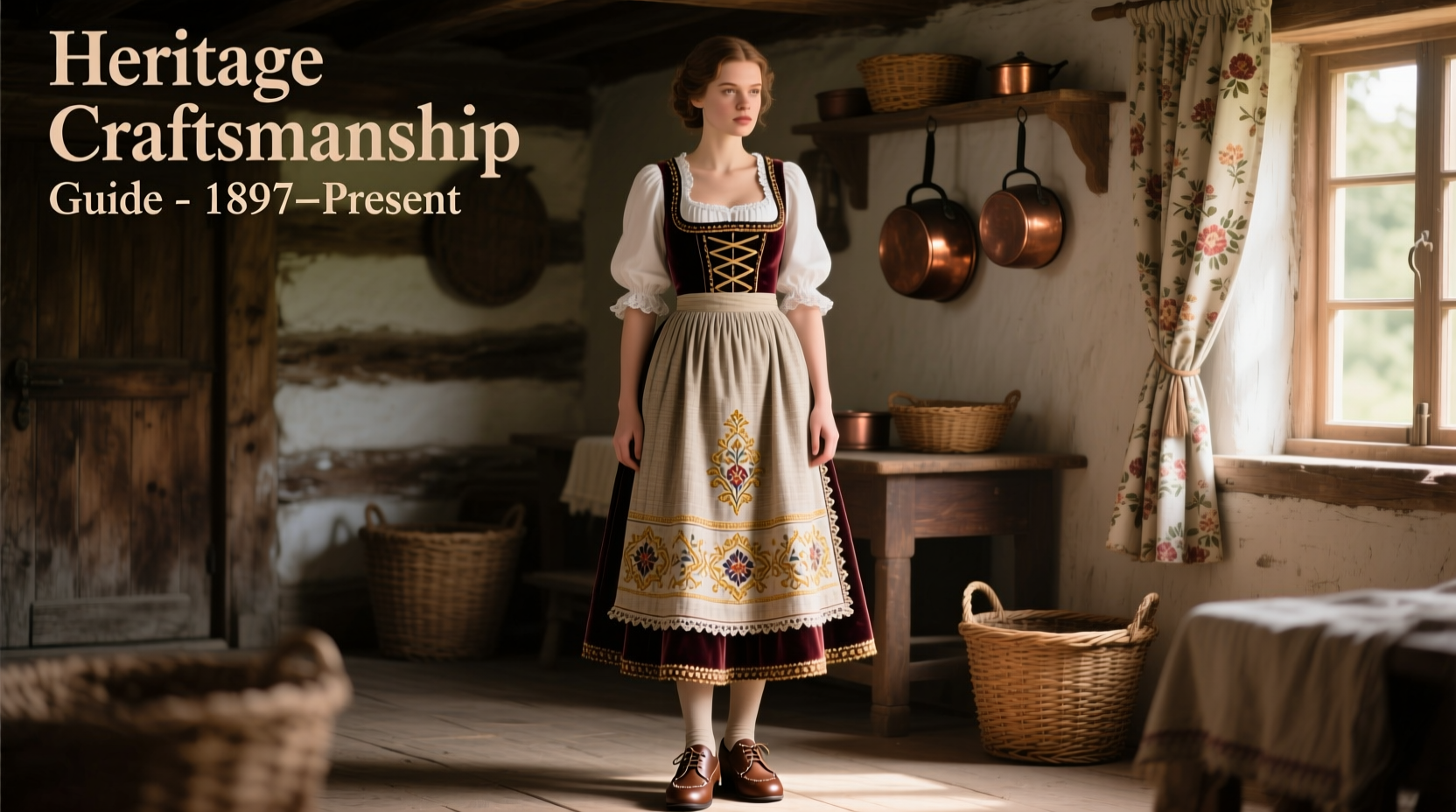
When assembling a traditional alpine ensemble, the bodice, blouse, skirt, and apron often command the most attention. Yet, any master of European folk dress knows that a Tracht outfit is fundamentally incomplete without the correct footwear. Dirndl outfit shoes, known natively as Trachtenschuhe or Dirndlschuhe, are not mere accessories; they are the structural and aesthetic foundation of the garment. Historically, footwear in the Alpine regions of Bavaria, Austria, and South Tyrol was dictated by the harsh realities of mountain life, evolving over centuries from purely utilitarian workwear into highly codified markers of regional identity, marital status, and social occasion.
According to archival records at the Bayerisches Nationalmuseum, the transition of alpine footwear from rugged agricultural necessity to festive Festtagstracht (festive traditional dress) occurred largely in the late 19th century, driven by the romanticization of alpine culture by urban elites. Today, authentic dirndl outfit shoes represent a pinnacle of specialized leatherworking, blending centuries-old cobbling techniques with strict regional sartorial codes. Understanding the craftsmanship, materials, and silhouettes of these shoes is essential for anyone looking to invest in a heritage-quality wardrobe.
Material Science: Choosing the Right Leather
The soul of a traditional dirndl shoe lies in its upper material. Mass-market manufacturers often rely on corrected-grain leathers or synthetic polyurethane, but authentic artisan Trachtenschuhe utilize specific, regionally sourced hides that offer distinct functional and aesthetic properties.
Hirschleder (Deer Leather)
Deer leather is the undisputed king of alpine footwear. Prized for its exceptional breathability, lightweight feel, and remarkable tensile strength, Hirschleder molds to the wearer's foot over time, creating a bespoke fit. It is traditionally tanned using natural fats and oils, giving it a distinct, slightly smoky scent and a supple texture that resists water better than standard bovine leathers. It is the preferred material for high-end, rustic dirndl shoes intended for outdoor festivals and mountain terrain.
Kalbsleder (Calfskin)
For elegant, festive occasions—such as weddings, church holidays, or formal Oktoberfest events—smooth calfskin is the standard. Kalbsleder provides a refined, subtle sheen that pairs beautifully with silk dirndls (Seidendirndl). It takes dye exceptionally well, allowing for deep, rich colors like ox-blood, forest green, and midnight blue, which are highly sought after in contemporary luxury Tracht.
Veloursleder (Suede)
Suede is heavily utilized in autumn and winter Tracht, as well as in Alltagstracht (everyday traditional dress). Its matte finish provides a grounded, rustic contrast to the crisp cotton or linen of a casual dirndl. High-quality alpine suede is heavily waxed or treated with natural oils to repel moisture, a crucial feature for navigating damp cobblestone streets or alpine meadows.
Sole Construction and Cobbling Techniques
The longevity and comfort of dirndl outfit shoes are dictated by how the upper is attached to the sole. The Bayerisches Trachtenkulturzentrum frequently highlights the importance of preserving traditional cobbling methods, which are increasingly rare in modern footwear manufacturing.
- Rahmengenäht (Goodyear Welted): The gold standard of shoemaking. A strip of leather (the welt) is stitched to the upper and the insole, and the outsole is then stitched to the welt. This creates a water-resistant seal and allows the shoe to be resoled multiple times, ensuring a lifespan of decades. This method is reserved for premium, artisan-crafted Trachtenschuhe.
- Durchgenäht (Blake Stitched): The upper is stitched directly to the sole from the inside of the shoe. This allows for a sleeker, more flexible profile, making it popular for elegant women's Trachtenschnaller (pumps). However, it is less water-resistant and harder to resole than welted construction.
- Verklebt (Cemented): The upper is glued to the sole. While this reduces costs and weight, it is considered inappropriate for heritage Tracht. Cemented shoes cannot be easily resoled and will inevitably end up in a landfill once the adhesive fails.
Regional Silhouettes and Traditional Styles
The silhouette of your dirndl shoes must align with the regional origin and formality of your dress. The Tiroler Volkskunstmuseum documents distinct footwear variations across the Alpine arc, proving that Tracht is never a monolith.
Der Trachtenschnaller (The Classic Pump)
The most ubiquitous style for women's dirndl outfits is the Trachtenschnaller. This is a low-cut, closed-toe pump featuring a moderate block heel (typically 3 to 5 centimeters). The defining feature is the decorative closure across the vamp, which may be a silver or brass buckle (Spange), a leather bow (Schleife), or a braided leather strap. The block heel provides the necessary stability for dancing the Schuhplattler or walking on uneven festival grounds, while the rounded toe box accommodates the foot during long days of wear.
Schnürstiefel (Lace-Up Boots)
In the Salzkammergut region of Austria and the mountainous areas of Tyrol, lace-up boots are a staple of women's Tracht. These boots, reaching just above the ankle or mid-calf, feature intricate eyelets and are often paired with thicker, ribbed wool socks. They are inherently more rustic and are the correct choice for heavy wool or linen dirndls worn in cooler months.
The Haferlschuh Crossover
The Haferlschuh is traditionally the male counterpart to alpine dress, characterized by its side-lacing and robust, double-soled construction. However, historical records show that women working in high-alpine agricultural environments frequently wore sturdy, lace-up shoes for safety and traction. Today, artisan shoemakers craft female-specific Haferlschuhe with a slightly narrower last and elegant broguing. These are highly appropriate for women wearing rugged, woolen Werktagstracht (workday dress) or for those prioritizing extreme comfort during multi-day folk festivals.
Craftsmanship Tiers: A Buyer's Framework
When shopping for authentic dirndl outfit shoes, understanding the price-to-craftsmanship ratio is vital. Below is a framework to help you evaluate what you are actually paying for.
| Craftsmanship Tier | Construction Method | Materials Used | Price Range (EUR) | Lifespan & Resolability |
|---|---|---|---|---|
| Fast Fashion / Souvenir | Cemented (Glued) | PU Synthetic, Corrected Grain | €50 - €120 | 1-2 Seasons; Cannot be resoled |
| Mid-Tier Benchmade | Blake Stitched | Genuine Calfskin, Rubber Soles | €150 - €280 | 3-5 Years; Limited resolability |
| Artisan / Heritage | Goodyear Welted / Hand-welted | Full-Grain Hirschleder, Leather Soles | €350 - €700+ | 10+ Years; Fully resoleable by a cobbler |
Artisan Embellishments and Decorative Elements
True Meister cobblers elevate dirndl shoes through meticulous hand-finishing. Look for Ziergarn (decorative heavy thread) used in contrasting colors along the welting. Hand-punched broguing (Lochmuster) along the toe cap and heel counter is not just decorative; historically, it allowed water to drain from the shoe when crossing wet alpine pastures. Embossed motifs, such as the Edelweiss flower, alpine roses, or oak leaves, are often hand-stamped into the leather quarter panels using heated brass dies. These subtle details separate a true heritage garment from a theatrical costume.
Hosiery, Styling, and Wearing Etiquette
The most exquisitely crafted dirndl shoes will look entirely out of place if paired with the wrong hosiery. Bare legs are generally frowned upon in strict, conservative Tracht circles, particularly in rural Bavaria and Austria. The correct pairing is Trachtenstrümpfe—ribbed, knee-high or calf-high socks made from cotton, wool, or a blend. For festive summer dirndls, sheer, lace-patterned tights (Trachtenstrumpfhose) in white, ivory, or black are acceptable and add a layer of elegance.
When matching your shoes to your dirndl outfit, adhere to the rule of material harmony. A shimmering silk or brocade dirndl demands a sleek, polished calfskin Trachtenschnaller with a delicate silver buckle. Conversely, a heavy, hand-woven linen or loden wool dirndl calls for the matte texture of suede or the rugged beauty of oiled deer leather. Avoid the modern trend of pairing traditional dirndls with sneakers; while 'Trachtensneakers' exist in the commercial market, they fundamentally disrupt the historical silhouette and are considered a faux pas by traditionalists and cultural preservationists.
Care and Maintenance of Heritage Footwear
Investing in artisan dirndl outfit shoes requires a commitment to proper leather care. Always use cedar shoe trees (Schuhspanner) immediately after wearing to absorb moisture and maintain the leather's structural integrity. For smooth calfskin, apply a high-quality, solvent-free leather cream to nourish the hide and maintain its luster. For Hirschleder and suede, use a specialized leather grease (Lederfett) or a dedicated suede brush to maintain the nap and water resistance. Never dry wet Trachtenschuhe near a direct heat source, as this will bake the natural oils out of the leather, leading to irreversible cracking. With proper care, a pair of hand-welted dirndl shoes will not only last a lifetime but will develop a rich, personalized patina that tells the story of every festival, dance, and alpine walk you have taken.