The Cleavage Dirndl: Historical Origins of the Alpine Bodice

When modern consumers search for a cleavage dirndl, they are often met with images of deep-plunging necklines, push-up blouses, and highly commercialized Oktoberfest attire. However, from the perspective of a cultural garment historian, this modern silhouette represents a stark departure from the garment’s authentic roots. The traditional Alpine Dirndlgewand (maid’s dress) was born out of agrarian necessity, modesty, and regional identity. To understand the evolution of the dirndl bodice—and how the modern "cleavage" aesthetic emerged—we must deconstruct the historical anatomy of the Mieder (bodice) and the Bluse (blouse), tracing their journey from 19th-century peasant workwear to contemporary Wiesn-Tracht (festival fashion).
The Myth vs. Reality of the Alpine Neckline
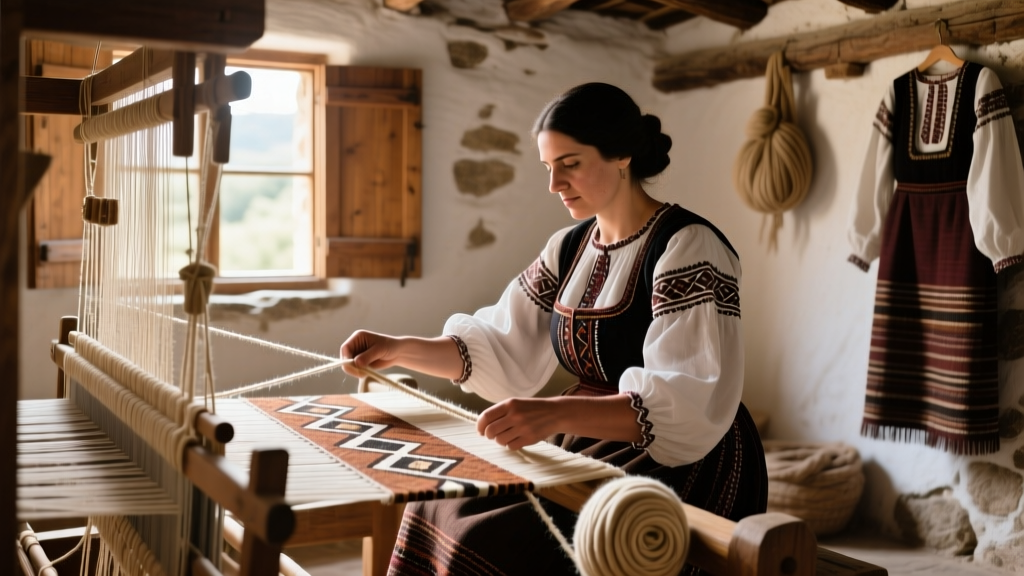
The concept of a "cleavage dirndl" is entirely absent from historical Alpine textile records. In the 18th and 19th centuries, the dirndl was the everyday workwear of rural women in Bavaria, Austria, and the Alpine regions of Switzerland. Modesty was not merely a cultural preference but a practical necessity; women working in fields, dairies, and alpine pastures required garments that protected the skin from the sun, cold, and physical labor.
The deep, revealing necklines seen in modern commercial costumes are a mid-to-late 20th-century invention. As Oktoberfest transitioned from a local agricultural celebration to a global tourism phenomenon, a new sub-category of clothing emerged: Landhausmode (country house fashion) and, eventually, Party-Dirndl. These garments prioritized visual appeal and commercial trends over historical accuracy, leading to the balkanization of the dirndl into authentic Tracht (traditional costume) and commercialized festival wear.
Anatomy of the Dirndlgewand: Bodice and Blouse Evolution
To understand how the neckline shifted, one must understand the structural separation of the dirndl's components. The outfit consists of four distinct pieces: the Mieder (bodice), the Bluse (blouse), the Kittel (skirt), and the Schürze (apron). The interplay between the bodice and the blouse dictates the neckline.
The Historical Mieder (Bodice)
Historically, the Mieder was a heavily structured, sleeveless garment designed to support the back and posture during heavy labor. According to textile archives at the Bayerisches Nationalmuseum, authentic 19th-century bodices were stiffened with layers of heavy linen, cotton, and sometimes baleen or reed. They featured high-cut armholes and a front closure that was either laced (Schnürung) or fastened with heavy silver or brass hook-and-eye closures (Haken und Ösen).
Crucially, the historical bodice was not designed to be worn directly against the skin, nor was it meant to frame exposed cleavage. The gap at the front of the lacing was traditionally covered by a Stecker—a decorative, triangular insert made of silk brocade, velvet, or embroidered linen that was pinned into place. In many regional variants, such as the Tyrolean styles documented by the Tiroler Volkskunstmuseum, a Goller (a wide, cape-like collar) or a high-necked linen Tuch (scarf) was worn over the shoulders to completely obscure the chest.
The Bluse (Blouse) and the Shift in Necklines
The Bluse is a separate, cropped garment worn beneath the bodice, ending just below the bust line so it can be tucked neatly into the skirt. Historically, these blouses were crafted from white linen or cotton batiste and featured high collars, modest square necklines, or round necklines that sat at the collarbone. Sleeves were often puffed (Puffärmel) or long and fitted, depending on the season.
The shift toward the modern "cleavage" aesthetic began in the 1950s and 1960s with the romanticization of Alpine culture in post-war cinema (the Heimatfilm genre). By the 1990s, commercial manufacturers introduced the Wiesn-Bluse—a blouse with a built-in balconette bra, elasticized drawstrings, and a deeply scooped neckline designed specifically to enhance and expose cleavage. While highly popular in beer tents, this style is strictly forbidden by the Bund der Österreichischen Trachten- und Heimatverbände (Association of Austrian Traditional Costume and Homeland Societies) during formal cultural events.
Timeline: Evolution of the Dirndl Neckline
| Era | Neckline Style | Cultural Context & Construction |
|---|---|---|
| 1800–1870 | High Collar / Modest Square | Strictly utilitarian workwear. Chest covered by linen Stecker or Goller. Bodices heavily boned for back support. |
| 1870–1930 | Round / Square (Collarbone level) | Adoption by the urban upper classes as summer resort wear (Sommerfrische). Introduction of silk blouses, but modesty remains paramount. |
| 1930–1980 | Softened Square / V-Neck | Rise of Landhausmode. Necklines drop slightly for aesthetic romanticization, but cleavage remains covered by the blouse fabric. |
| 1990–Present | Deep Plunge / Balconette | Commercialization of Oktoberfest. Invention of the push-up Wiesn-Bluse. Divergence between authentic Tracht and party costumes. |
Regional Variations in Bodice Construction
The construction of the bodice varies wildly by region, dictating how the chest is presented. Understanding these differences is vital for collectors and cultural enthusiasts.
- Miesbacher Tracht (Bavaria, Germany): Considered the gold standard of Bavarian formal wear. The bodice is made of heavy silk or wool, featuring a deep but modest square neckline that is always filled by a meticulously embroidered white linen blouse and a silk Stecker. Cleavage is never exposed.
- Ausseer Dirndl (Styria, Austria): Unique for its color-blocking (typically a pink skirt, green bodice, and purple apron). The bodice is often made of printed cotton or silk and features a high, round neckline that fastens at the front or side, completely eliminating any possibility of a plunging neckline.
- Zillertaler Tracht (Tyrol, Austria): Features a very distinct, wide-laced bodice with a prominent Schmuckstecker (decorative insert) that covers the entire sternum area, emphasizing textile artistry over the human form.
Buying Guide: Navigating Authentic Tracht vs. Commercial Costume
If you are looking to purchase a dirndl, it is crucial to understand the market tiers. The presence of a "cleavage-enhancing" blouse is the fastest way to identify a commercial costume over authentic cultural dress.
1. Echte Tracht (Authentic Traditional Costume)
- Price Range: €400 – €1,500+
- Materials: 100% natural fibers (silk, wool, heavy linen, cotton batiste). Horn, mother-of-pearl, or silver hardware.
- Neckline Protocol: Modest. Blouses are tailored, high-necked, or feature a classic square cut. No elasticized drawstrings.
- Best For: Cultural festivals, weddings, church services, and formal Trachtenvereine events.
2. Landhausmode (Country House Fashion)
- Price Range: €150 – €350
- Materials: High-quality cotton blends, viscose, and modern synthetics. Metal or decorative plastic hardware.
- Neckline Protocol: Fashion-forward but generally respectful. May feature a softer V-neck or sweetheart neckline, but the blouse provides adequate coverage.
- Best For: Oktoberfest (Wiesn), alpine vacations, and casual outdoor celebrations.
3. Festtagskostüm / Party-Dirndl (Commercial Costume)
- Price Range: €30 – €90
- Materials: Thin polyester, cheap satin, nylon lace. Flimsy plastic hooks.
- Neckline Protocol: The "cleavage dirndl." Features aggressively low cuts, push-up padding, and thin, flimsy blouse fabrics that slip off the shoulders.
- Best For: Themed frat parties or Halloween. Note: Wearing this in traditional Alpine regions may be viewed as disrespectful to local heritage.
Cultural Etiquette and Wearing Protocols
Wearing a dirndl is an act of participating in a living cultural tradition. While the modern commercial market has normalized the "cleavage dirndl" in specific contexts (like the Schottenhamel tent at Oktoberfest), it is vital to read the room and respect regional protocols.
"True Tracht is not about revealing the body; it is about showcasing the wealth of the region through textile craftsmanship, embroidery, and the precise tailoring of the Mieder. When we reduce the Dirndl to a party costume, we erase the history of the Alpine women who built our communities."
— Curator of Textile History, Alpine Folk Art Archives
The Golden Rules of Dirndl Etiquette:
- Church and Formal Events: Always opt for a high-necked or modest square-necked blouse. Shoulders and cleavage must be covered. A Dirndl-Janker (traditional wool jacket) should be worn over the bodice if the weather is cool.
- The Apron Bow (Froschgoscherl): Regardless of your bodice style, the apron bow communicates your relationship status. Tied on the left means single; on the right means married/taken; in the center traditionally means virgin (though rarely used today); and in the back means widowed or working as a waitress.
- Footwear: Avoid stilettos or modern sneakers. Authentic Trachtenschuhe (leather lace-ups or buckle shoes) or modest loafers are the culturally correct choice to ground the outfit.
By understanding the historical origins of the Alpine bodice, consumers can make informed, respectful choices. Whether you choose a historically accurate Miesbacher Tracht or a modern Landhausmode piece, recognizing the difference between cultural heritage and commercialized costume ensures that the legacy of the Dirndlgewand is preserved for future generations.