Chinese Heritage Costume: A Cultural Deep Dive
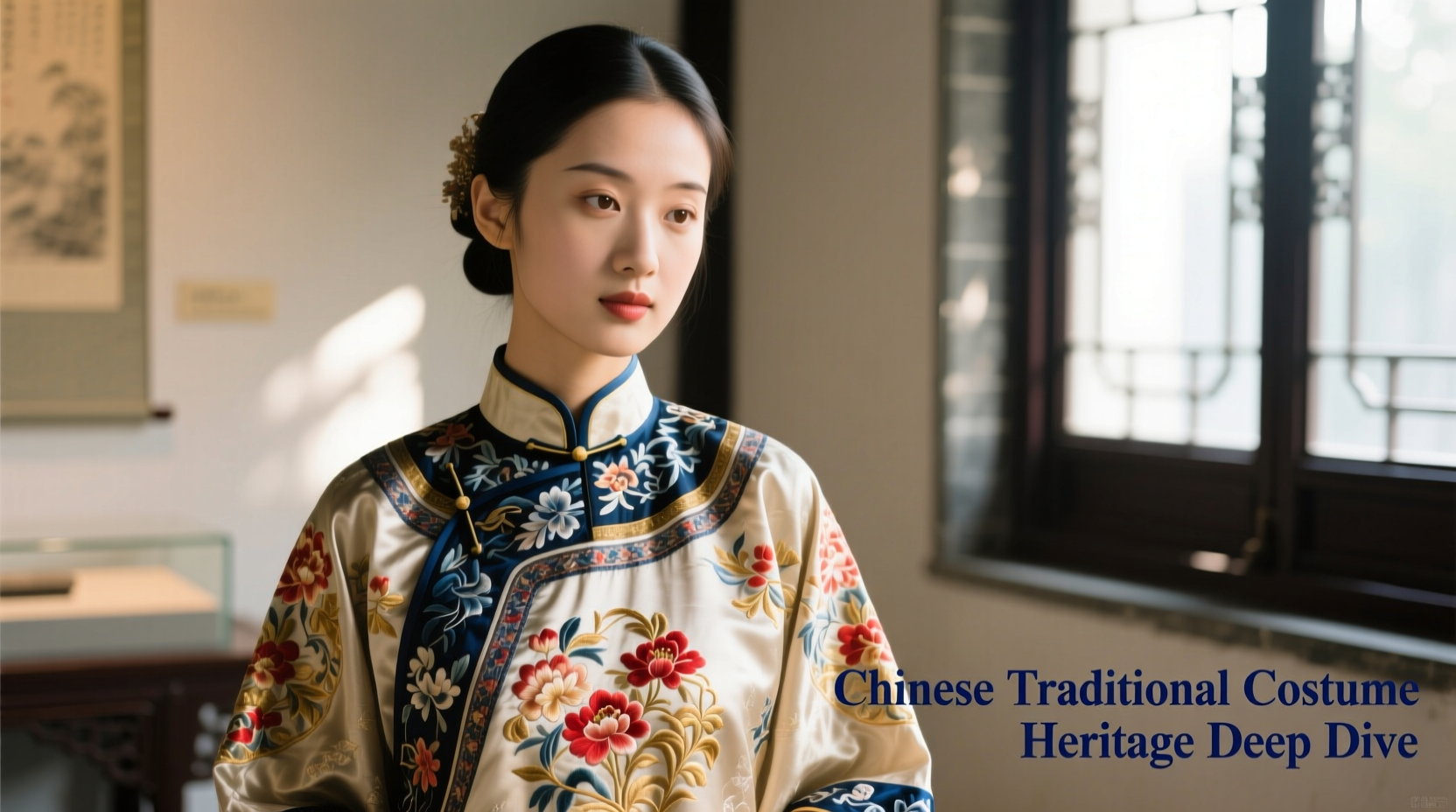
When analyzing the traditional costume of Chinese origin, one must look beyond a single monolithic garment to understand a vast, living tapestry of textile history. Spanning over three millennia, the sartorial traditions of China are deeply intertwined with philosophy, social hierarchy, and regional craftsmanship. While the broader global consciousness often reduces Chinese dress to the mid-20th-century Qipao, the true depth of this heritage encompasses the flowing silhouettes of Hanfu, the intricate silverwork of ethnic minorities, and the profound influence these textiles have had on global fashion—including European folk dress. This deep dive explores the construction, cultural protocols, and modern revival of China's most significant traditional garments.
The Philosophical Foundations of Hanfu

Hanfu, the historical dress of the Han Chinese, is not merely a style of clothing but a physical manifestation of ancient cosmology and Confucian etiquette. The foundational silhouette is characterized by its fluidity, utilizing flat-pattern cutting that drapes naturally over the body rather than constraining it. According to archives at the China National Silk Museum, the earliest iterations of Hanfu date back to the Shang and Zhou dynasties, establishing a sartorial code that would endure for centuries.
Jiaoling Youren and the Architecture of the Collar
The most defining feature of Hanfu is the Jiaoling Youren, or the cross-collar worn right over left. The left lapel crosses over the right, wrapping around the body. This specific orientation is deeply rooted in traditional Chinese philosophy, where the left represents Yang (life, light, and the living) and the right represents Yin (death, darkness, and the underworld). Reversing this collar (left under right) is known as Siyu and is strictly reserved for dressing the deceased for burial. Wearing a reversed collar in daily life is considered a severe cultural faux pas and a bad omen.
The Mamianqun: Engineering the Horse-Face Skirt
Among the most iconic lower garments is the Mamianqun, or 'horse-face' skirt, which gained immense popularity during the Ming Dynasty. The skirt features two flat, overlapping front and back panels (the 'horse faces') with heavily pleated side panels. This ingenious construction allowed for modesty while riding horseback or walking, as the overlapping panels prevented the legs from being exposed. Modern artisans recreate these using traditional Zhuanghua (woven gold thread) techniques, with authentic silk brocade versions requiring over 40 hours of hand-pleating and weaving.
The Qing Dynasty Transition and the Qipao

The establishment of the Qing Dynasty (1644–1912) by the Manchu people introduced a radical shift in Chinese dress. The ruling class mandated the wearing of Manchu clothing, notably the Changpao (long robe), which featured narrow, horse-hoof-shaped cuffs designed to protect the hands during archery and riding. Over time, the Han and Manchu styles began to blend, setting the stage for the birth of the modern Qipao (or Cheongsam).
The 1920s Shanghai Silhouette and Pankou Knots
The Qipao as recognized today was born in the cosmopolitan hub of 1920s Shanghai. Female students and socialites modernized the loose, boxy Manchu robe into a form-fitting, high-collared dress that celebrated the natural silhouette. A critical element of the Qipao is the Pankou—intricate knotted buttons crafted from silk cord. Artisans create dozens of motifs, including the Yizi (straight knot), Pipa (lute-shaped), and Hudie (butterfly). The Victoria and Albert Museum (V&A) holds exquisite examples of 1930s Qipao, highlighting how the integration of Western darting techniques with traditional Chinese silk brocades created a uniquely transnational garment.
Ethnic Minority Masterpieces: The Miao and Yi
China's 55 ethnic minorities possess distinct textile traditions that rival the Han majority in complexity and cultural weight. The Miao (Hmong) people of Guizhou and Yunnan provinces are renowned for their monumental festival costumes, which serve as wearable historical records.
Indigo Dyeing and Silver Filigree

Miao women traditionally weave hemp and cotton, dyeing them using fermented indigo leaves. A highly specific regional technique involves polishing the dyed fabric with egg white or pig's blood and pounding it with a wooden mallet to achieve a metallic, glossy finish. This dark fabric serves as the canvas for vibrant embroidery depicting mythical butterflies and dragons. Furthermore, Miao festival attire is anchored by staggering amounts of silver jewelry. A full festival headdress and collar set can weigh up to 10 kilograms, featuring intricate filigree and repoussé work that signifies the family's wealth and the wearer's coming of age.
Textile Economics: Pricing Authentic Garments Today
For collectors, cultural practitioners, and museums, acquiring authentic traditional Chinese garments requires navigating a complex market. Below is a structured pricing guide based on current artisan cooperatives and bespoke tailors.
| Garment Type | Construction & Material | Price Range (USD) | Lead Time |
|---|---|---|---|
| Mass-Market Hanfu (Ruqun) | Polyester-blend, machine-embroidered | $40 - $90 | In Stock |
| Artisan Mamianqun | 100% Mulberry silk, hand-pleated, woven gold | $350 - $800 | 3 - 5 Weeks |
| Bespoke Shanghai Qipao | Custom-fitted, silk brocade, hand-knotted Pankou | $600 - $2,500+ | 4 - 8 Weeks |
| Miao Festival Silver Set | Pure silver filigree, horned headdress | $3,000 - $12,000 | 3 - 6 Months |
Cross-Cultural Threads: Chinese Silk in European Folk Dress
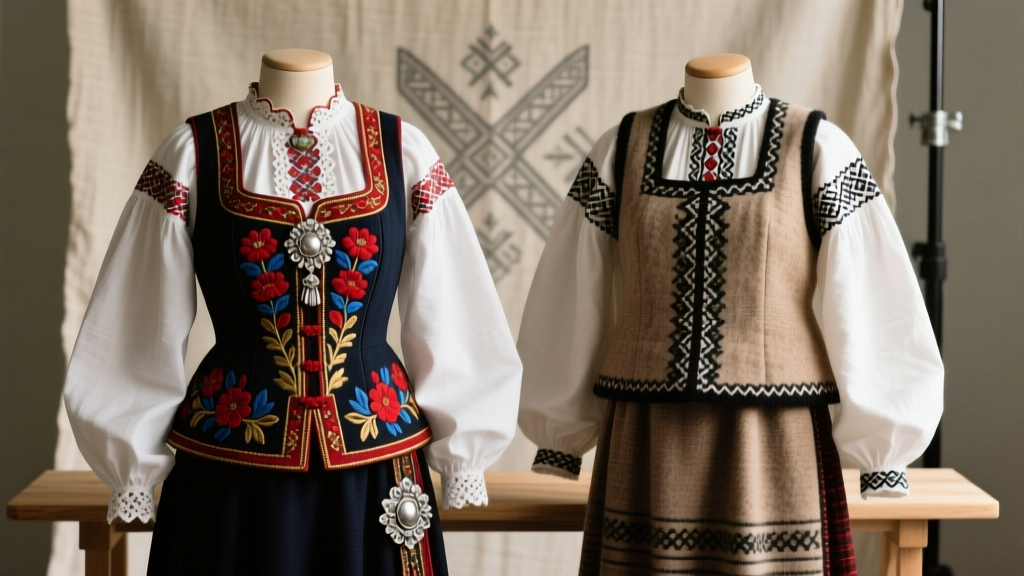
While this encyclopedia primarily catalogs European folk dress, it is impossible to ignore the profound impact of Chinese textiles on traditional European garments. Through the Silk Road and later maritime trade routes, Chinese damasks, silks, and motifs deeply infiltrated European sartorial culture. The Metropolitan Museum of Art documents how Chinese cloud collar motifs (Yunshan) influenced the design of European capelets and pelerines in the 18th and 19th centuries.
Furthermore, the vibrant silk ribbons and brocades used in the traditional Bavarian Dirndl and the intricate silk sashes of the Polish-Lithuanian Kontusz often originated from Chinese looms or were woven in Lyon and Venice using Chinese sericulture techniques and copied motifs. Acknowledging this cross-pollination is vital for a complete understanding of global folk dress; the traditional costume of Chinese heritage is not isolated, but rather a foundational pillar of global textile history that helped shape the festival wear of Europe.
Preservation and the Modern Hanfu Movement
Today, the traditional costume of Chinese heritage is experiencing a massive renaissance driven by the Hanfu Yundong (Hanfu Movement). Spearheaded by Gen Z and millennial enthusiasts, this grassroots movement seeks to reclaim Hanfu as daily and festival wear rather than relegating it to theatrical costumes. Young practitioners are meticulously studying Ming and Song dynasty tomb artifacts to recreate historically accurate garments, rejecting the 'costume-like' interpretations of early 2000s cinema. This revival has sparked a booming artisanal economy, supporting traditional silk weavers in Suzhou and embroiderers in Chengdu, ensuring that these ancient techniques survive in the modern era.
Understanding these garments requires a respect for their philosophical underpinnings, their complex construction, and their living legacy. Whether it is the disciplined elegance of a Ming dynasty cross-collar or the heavy, rhythmic clinking of Miao silver, these garments remain powerful expressions of identity, history, and unparalleled craftsmanship.