China's National Dress: Modern vs Traditional Styling

Defining China's National Dress: A Tripartite Heritage
When discussing China's national dress, one must first dismantle the myth of a singular, monolithic garment. Unlike the Japanese kimono or the Scottish kilt, China’s sartorial identity is a complex tapestry woven from thousands of years of dynastic shifts, ethnic diversity, and 20th-century political revolutions. Today, the global conversation around China's national dress primarily centers on three distinct garments: the ancient Hanfu (汉服), the iconic 1920s Qipao (旗豚, or Cheongsam), and the utilitarian Zhongshan Zhuang (中山装, or Mao suit).
For cultural enthusiasts, fashion historians, and modern consumers, the friction between traditional construction and contemporary styling offers a fascinating study in garment evolution. How do today’s wearers balance historical accuracy with modern practicality?
The Hanfu Renaissance: Reclaiming Antiquity
Hanfu refers to the historical clothing of the Han Chinese, spanning from the Yellow Emperor era (circa 3rd millennium BCE) to the mid-17th century Ming-Qing transition. The modern “Hanfu Movement” (Hanfu Yundong) has exploded over the last decade, transitioning from niche historical reenactment to mainstream street fashion across global diaspora communities and urban centers in China.
Traditional Construction and Terminology
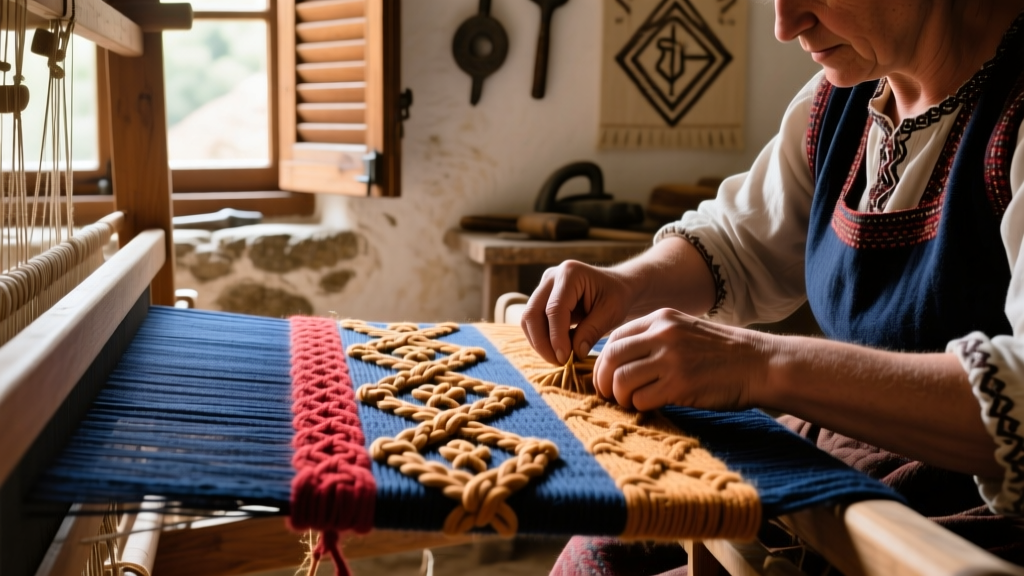
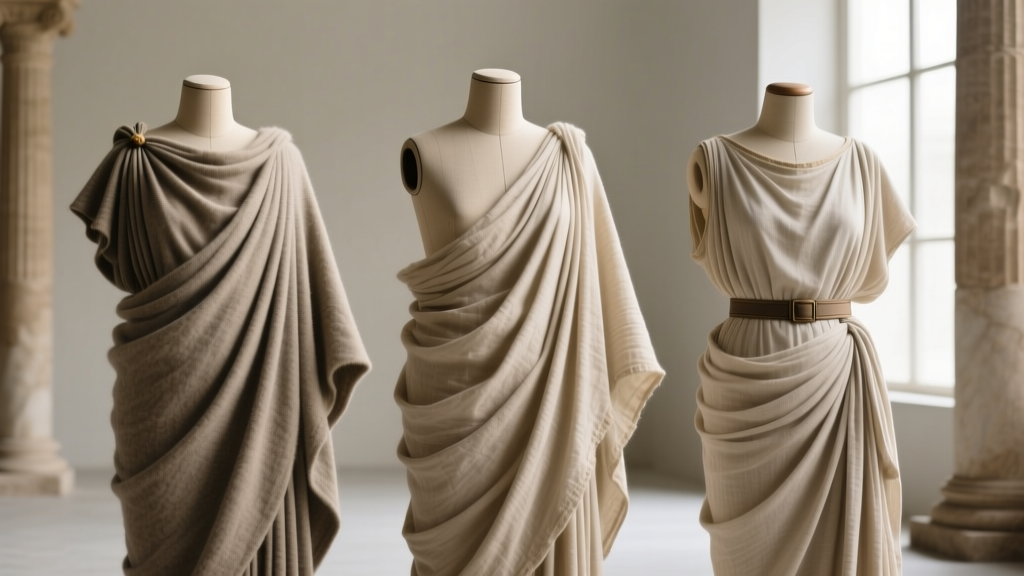
Authentic Hanfu is defined by specific structural rules. The most prominent is jiaoling youren (交领右虾), the cross-collar that always wraps left over right. This rule is so culturally sacred that wrapping right over left was historically reserved exclusively for the deceased. Another staple is the mamianqun (马面裙), or “horse-face skirt.” Originating in the Song and Ming dynasties, this wrap skirt features flat front and back panels with heavily pleated sides. Traditional Ming dynasty mamianqun utilized heavy, stiff brocades (zhijin) woven with metallic threads, demanding meticulous hand-pleating that could take an artisan weeks to complete. According to the Victoria and Albert Museum’s Chinese dress archives, the structural integrity of these skirts relied on the natural stiffness of the silk and the tension of the waistband, rather than Western-style tailoring.
Modern Styling: The “Hanfu Daily” Approach
Modern styling often blends traditional tops with contemporary bottoms, or utilizes modified fabrics for ease of care. While a traditional, floor-sweeping Ming dynasty robe is reserved for festivals and tea ceremonies, the modern “Hanfu Daily” trend favors Song dynasty-inspired slip dresses (Beizi) and shorter, pleated skirts paired with modern knitwear, turtlenecks, or leather jackets.
- Traditional Price Point: Authentic, hand-woven mulberry silk Hanfu sets from artisan cooperatives in Suzhou range from $300 to over $1,200 USD.
- Modern Price Point: Factory-produced, modified Hanfu using polyester-blend jacquards and machine-embroidery (xiu) typically costs between $45 and $120 USD on global e-commerce boutiques.
The Qipao (Cheongsam): Flat-Cut Heritage vs. 3D Modernity
If Hanfu represents ancient heritage, the Qipao represents China’s turbulent, glamorous entry into modernity. Originating from the loose, A-line robes of the Manchu people during the Qing Dynasty, the Qipao was radically transformed in 1920s Shanghai by progressive women seeking a streamlined, egalitarian silhouette.
The Traditional Flat-Cut Philosophy
Traditional Chinese tailoring is inherently two-dimensional. Fabric is cut in flat, continuous planes to preserve the integrity of the woven motifs and minimize textile waste. A traditional 1930s Qipao features a flat front and back, with the garment's drape created entirely by the manipulation of the fabric and the placement of the side slits. The iconic pankou (knotted buttons) are not merely decorative; they are structural, load-bearing elements. The Metropolitan Museum of Art has extensively documented how early Shanghai Qipaos utilized delicate, unstructured silks like Xiangyunsha (gambiered Canton silk) that moved fluidly with the body, requiring the wearer to maintain a specific posture to prevent the fabric from pulling.
Modern Styling and Western Darting
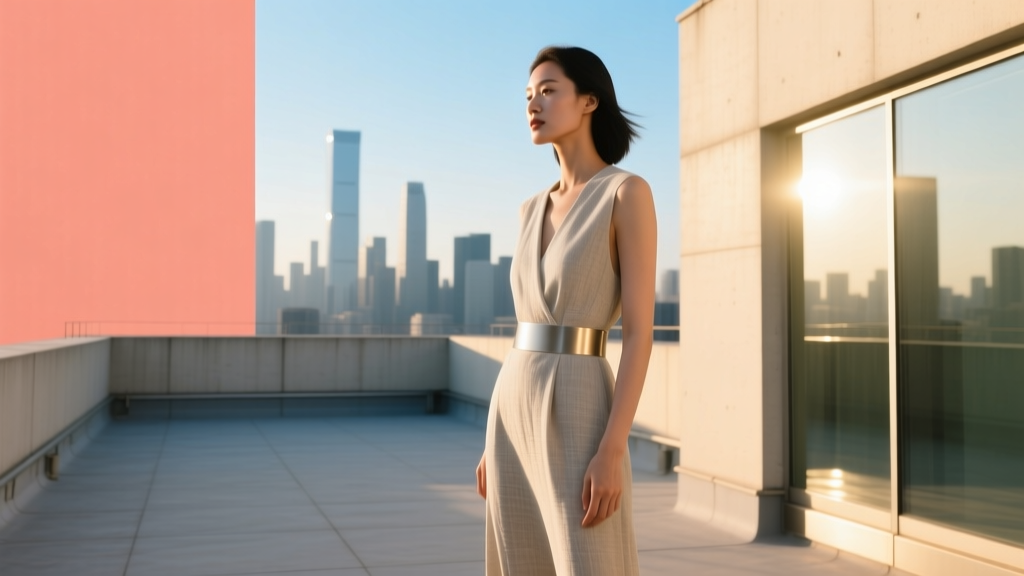
Post-1950s, and particularly in contemporary Hong Kong and Western boutiques, the Qipao was subjected to Western 3D tailoring. Modern Qipaos frequently feature bust darts, waist nips, and stretch fabrics (like silk-spandex blends or lace). While this creates a form-fitting silhouette favored in modern bridal wear and corporate hospitality, purists argue it strips the garment of its traditional kinetic elegance. Modern street styling sees the Qipao cropped to midi or mini lengths, paired with denim jackets, or worn as a tunic over wide-leg trousers.
The Zhongshan Zhuang: Political Utility to Modern Minimalism
Often referred to in the West as the “Mao Suit,” the Zhongshan Zhuang was introduced by Dr. Sun Yat-sen in the early 20th century as a modern, distinctly Chinese alternative to both the Qing dynasty robes and Western business suits. Its four pockets represent the Four Virtues (propriety, justice, honesty, and shame), and the five center buttons symbolized the five branches of government. While historically rigid and heavily structured in wool gabardine, modern interpretations by avant-garde Chinese designers have reimagined the suit in soft linens, cotton blends, and oversized, deconstructed silhouettes, wearing them open over casual tees to bridge political history with contemporary minimalism.
The Semiotics of Color and Motif
Whether styling a traditional or modern garment, understanding Chinese color theory is vital. Red (hong) remains the ultimate symbol of luck and joy, heavily utilized in Qipao bridal wear. However, modern Hanfu enthusiasts frequently explore the subdued, elegant palettes of the Song Dynasty, favoring celadon greens, muted lotus pinks, and ink-wash blues. Motifs like the peony (wealth), the crane (longevity), and the plum blossom (resilience) are traditionally woven into the fabric using the kèsī (cut silk) tapestry technique, a method so time-consuming it is said that one inch of kèsī equals one ounce of gold.
Comparative Matrix: Traditional vs. Modern Garment Profiles
| Garment | Traditional Construction & Materials | Modern Styling & Materials | Price Range (USD) |
|---|---|---|---|
| Hanfu (Ming Style) | Flat-cut, cross-collar, heavy silk brocade, hand-pleated mamianqun. | Modified lengths, polyester jacquard, machine embroidery, paired with modern boots. | $150 - $800+ |
| Qipao (1930s Shanghai) | 2D flat-cut, no darts, delicate Xiangyunsha silk, handmade pankou knots. | 3D darting, stretch lace/spandex, machine-made buttons, midi hemlines. | $80 - $2,500 (Bespoke) |
| Zhongshan Suit | Wool gabardine, strict 4-pocket symmetry, closed mandarin collar. | Slim-fit or oversized cuts, linen or cotton blends, worn open over turtlenecks. | $100 - $600 |
Sourcing, Etiquette, and Cultural Respect
When integrating China's national dress into a modern wardrobe, cultural sensitivity and historical awareness are paramount. The Hanfu movement is deeply tied to a resurgence of Han cultural pride, while the Qipao is a symbol of 20th-century cosmopolitan feminism. Approaching these garments as living traditions rather than mere costumes is essential.
Buying Guide for Authentic Pieces
For collectors seeking museum-quality traditional pieces and educational resources, the China National Silk Museum in Hangzhou remains the ultimate authority on textile conservation and authentic weaving techniques. When purchasing modern interpretations, look for retailers that transparently credit specific regional embroidery styles, such as Su Xiu (Suzhou embroidery) or Shu Xiu (Sichuan embroidery), ensuring that artisan cooperatives are fairly compensated for their labor.
Wearing Protocols
- The Collar Rule: Always ensure the left side of the Hanfu collar crosses over the right. Reversing this is a severe cultural faux pas associated with mourning and the deceased.
- Undergarments: Traditional Hanfu and Qipao require specific under-layers. Modern wearers should invest in a traditional moxiong (tube top) or seamless slips to maintain the garment's intended drape without visible modern bra lines disrupting the flat-cut aesthetic.
- Footwear: While traditional cloth shoes (bu xie) are historically accurate, modern styling frequently pairs Hanfu with leather Mary Janes, platform loafers, or even minimalist white sneakers, bridging the gap between ancient elegance and urban mobility.
Understanding China's national dress requires looking past the costume shop caricatures and engaging with the profound engineering of traditional Chinese tailoring. Whether you are draping a meticulously pleated Ming dynasty skirt or slipping into a bias-cut 1930s Qipao, you are participating in a living dialogue between China’s ancient looms and its dynamic modern streets.