China's National Dress: Craft & Silk Comparison
Beyond Borders: Answering "What Is the National Dress of China?"
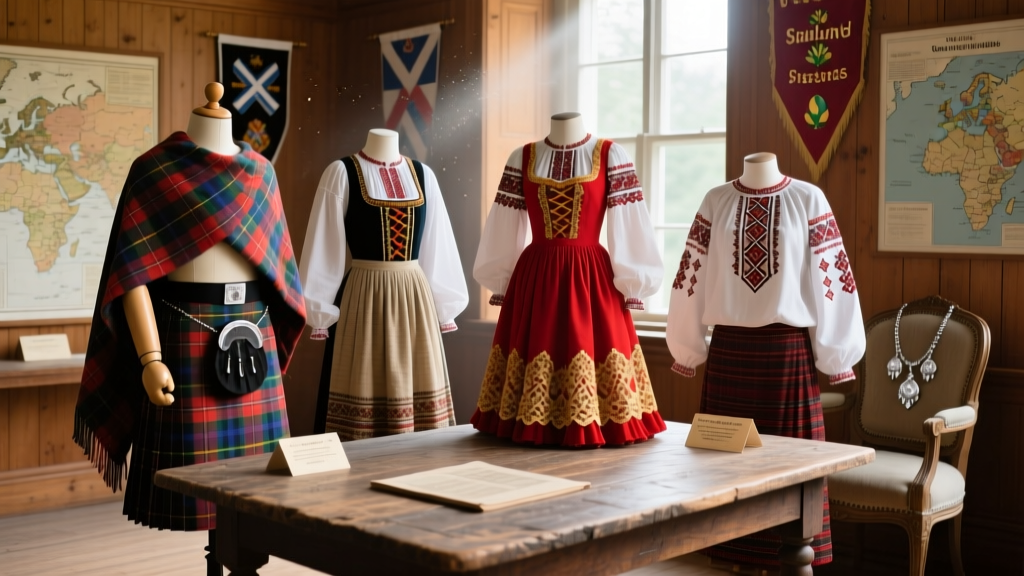
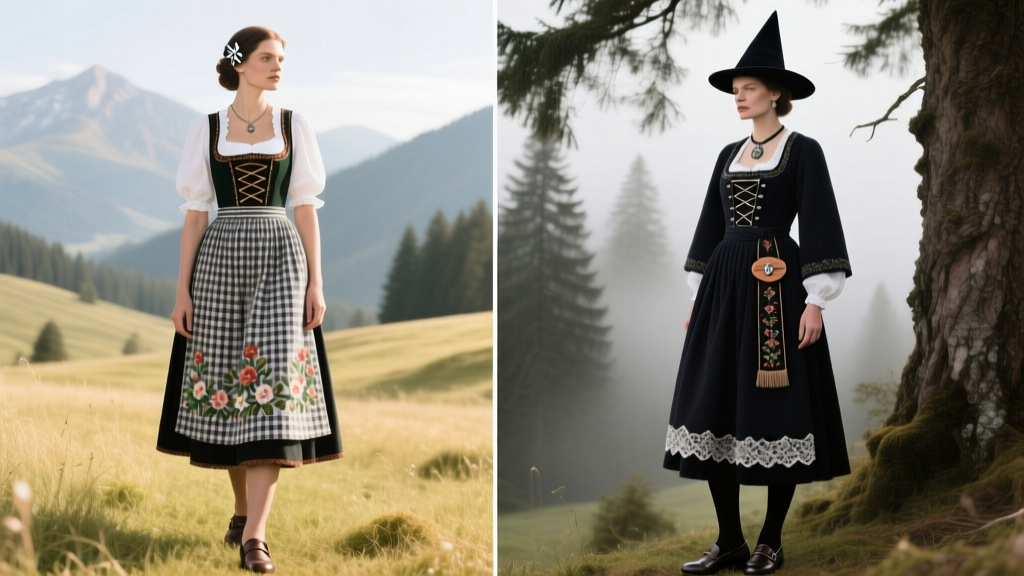
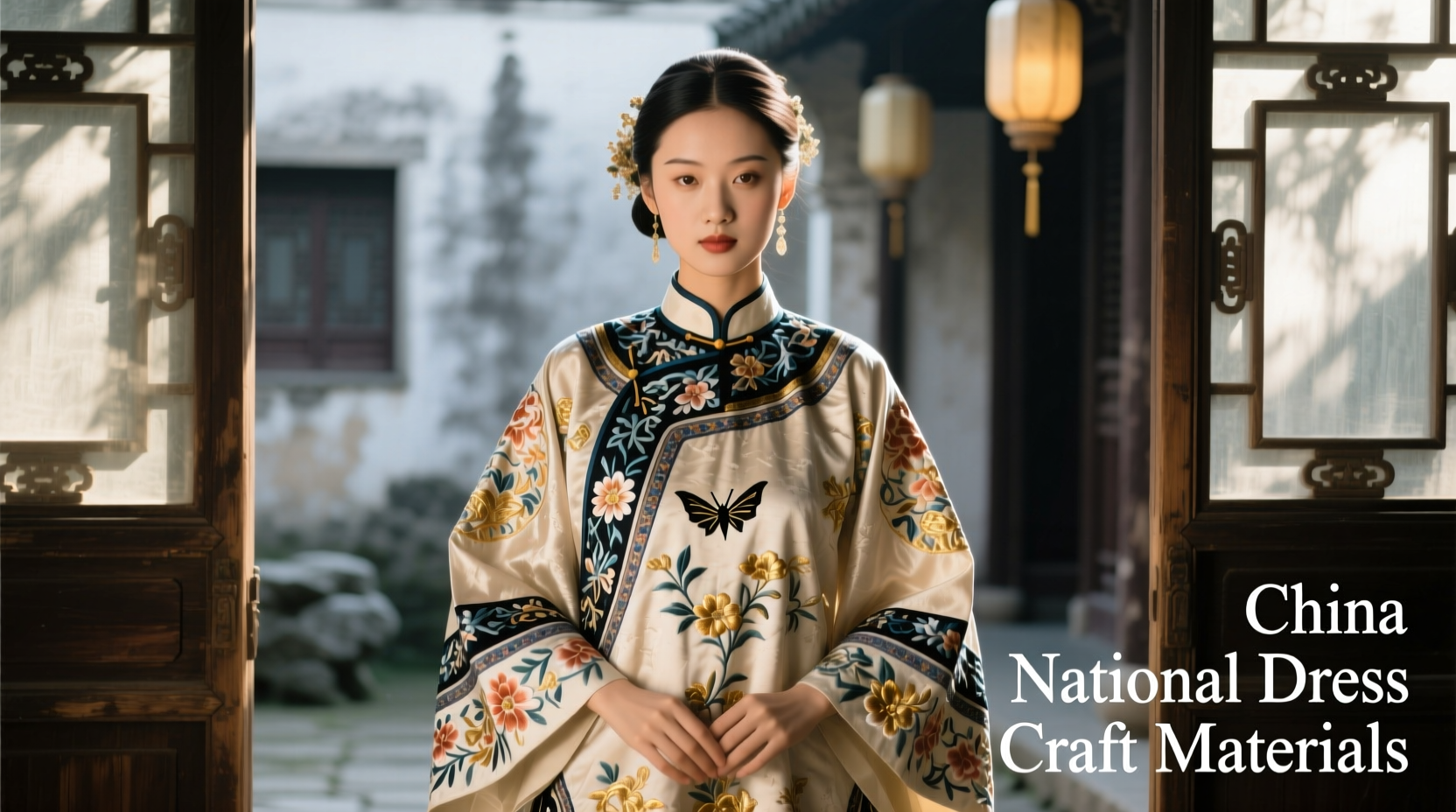
While The Garment Atlas primarily chronicles European folk dress—from the Bavarian Tracht to the Norwegian bunad—a comprehensive understanding of global sartorial history requires examining the textile milestones of Asia. When researchers and enthusiasts ask, "what is the national dress of china," the answer is not a single garment, but a complex tapestry of historical evolution and regional craftsmanship. Unlike the standardized national costumes of some European nations, China’s vast ethnic landscape and dynastic history mean that its "national dress" is represented by three primary sartorial pillars: the Hanfu (traditional Han clothing), the Qipao/Cheongsam (the modern iconic silhouette), and the Zhongshan suit (the Mao suit).
To truly understand these garments, we must look past the silhouette and examine the masterful materials and construction techniques that define them, drawing fascinating parallels to the heritage textiles of Europe.
The Structural Architecture of Hanfu
The Hanfu encompasses the historical clothing of the Han Chinese, worn for over three millennia before the Qing dynasty mandate of 1644. Today, the Hanfu Yundong (Hanfu movement) has revitalized these garments as living, everyday cultural wear among Chinese youth.
The Mamianqun (Horse-Face Skirt)
One of the most structurally significant pieces of Hanfu is the Mamianqun, or horse-face skirt. Originating in the Song and Ming dynasties, this skirt features two overlapping panels with deep, structured pleats on the sides and flat, unpleated panels at the front and back. From a pattern-making perspective, the Mamianqun shares remarkable structural DNA with the heavily pleated wool skirts of Scottish Highland dress and the wrap-around folk skirts of Eastern Europe. However, while European folk skirts rely on heavy wools and linens to hold pleats, the Mamianqun utilizes heavyweight silk brocades and crisp ramie to achieve its architectural drape.
Jiaoling Youren and the Right Lapel
A defining hallmark of traditional Han construction is jiaoling youren—the intersecting collar that wraps the left side over the right. This cross-collar design requires precise bias-cutting and silk-binding techniques to ensure the neckline lays flat against the body without the use of rigid European-style boning or heavy interfacing.
The Qipao: Tailoring Meets Tradition
If the Hanfu represents ancient heritage, the Qipao (or Cheongsam) represents China’s entry into modernity. Emerging in 1920s Shanghai, the Qipao merged traditional Manchu banner robes with Western darting and tailoring techniques. Craftsmanship in a bespoke Qipao is measured by the pankou (knotted frog closures) and the precision of the xiangbian (fabric piping). A master tailor in Shanghai or Hong Kong will spend up to 40 hours hand-rolling the silk piping edges, a technique that mirrors the meticulous hand-felted edging found in haute couture and high-end European folk jackets.
Masterful Materials: Silk, Brocade, and Mud-Dyed Gauze
To answer "what is the national dress of china" without discussing textiles is to ignore the foundation of Chinese sartorial identity. The materials used in Chinese national garments are highly specialized, often requiring micro-climates and generational knowledge to produce.
Xiangyunsha (Gambiered Canton Gauze)
Often referred to as "soft gold," Xiangyunsha is a rare silk fabric originating from the Pearl River Delta. The silk is dyed using the tannin-rich juice of the Dioscorea cirrhosa tuber, then coated with iron-rich river mud. The chemical reaction between the tannin and the iron creates a dark, lustrous, and water-resistant fabric that crackles softly when worn. This terroir-dependent dyeing process is remarkably similar to the peat-dyed wools of the Scottish Hebrides used in Harris Tweed, where the local earth and water are integral to the textile’s final character.
Kèsī (Cut Silk Tapestry)
Used for the most luxurious Hanfu trims and imperial dragon robes, Kèsī is a weaving technique where the weft threads are cut and turned back when a color change is needed, creating a "carved" look. According to the Metropolitan Museum of Art’s Heilbrunn Timeline of Art History, this technique allowed for incredibly complex, painterly designs that were impossible on standard draw-looms.
Comparative Textile Analysis: East vs. West
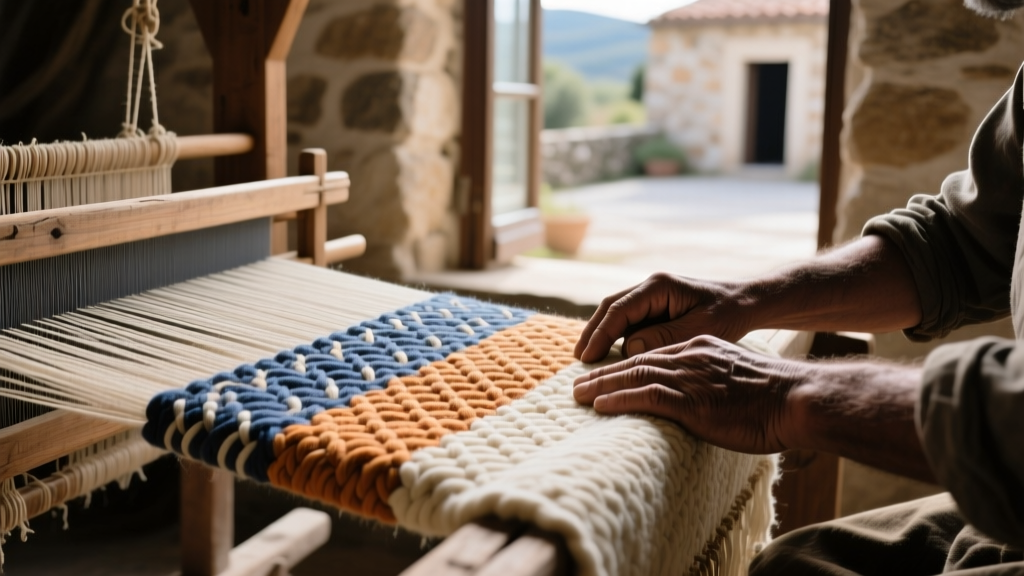
Understanding Chinese national dress materials is enriched by comparing them to their European folk equivalents. Both traditions rely on localized, labor-intensive craftsmanship to signify status and regional identity.
| Material / Technique | Chinese Origin & Application | European Folk Equivalent |
|---|---|---|
| Song Brocade (Songjin) | Complex geometric weaves for Hanfu trims and Qipao fabrics. | French Jacquard & Lyon Silk (used in Renaissance revivals). |
| Su Embroidery | Suzhou-based split-silk threads for photorealistic motifs. | Bavarian Goldwork (Goldstickerei) on Tracht bodices. |
| Ramie (Xiabu) | Breathable, crisp summer Hanfu base layers. | Eastern European Linen (Flax) for folk shirts. |
| Xiangyunsha | Mud-dyed, river-silt cured silk for durable, cooling garments. | Harris Tweed (peat-dyed, lanolin-rich wools). |
Embroidery: The Language of Motifs
European folk dress often uses embroidery to denote marital status, village origin, or protection against evil (such as the red cross-stitch of Ukrainian vyshyvanka). Chinese embroidery serves a similarly communicative function but is deeply tied to cosmological and linguistic symbolism.
Su Embroidery, originating from Suzhou, is the pinnacle of this craft. Artisans split a single silk thread into up to 48 finer strands to achieve gradients that mimic ink wash paintings. A peony motif symbolizes wealth and honor, while the bat (fu) is a homophone for good fortune. The Victoria and Albert Museum’s Asian Collections extensively document how these embroidered motifs on Qing dynasty robes were strictly regulated by sumptuary laws, dictating exactly which officials could wear specific beasts or birds on their buzi (rank badges).
The Ethnic Minority Influence
Any discussion of Chinese national dress must acknowledge the 55 recognized ethnic minorities, whose textile traditions are as vital as Han silk weaving. The Miao (Hmong) people of Guizhou province are renowned for their intricate silverwork and indigo-dyed batik. A traditional Miao festival jacket can feature heavy, hammered silver horns and collars weighing up to 10 kilograms, serving as a wearable bank account and spiritual armor. This heavy metal adornment contrasts sharply with the delicate silk of the Han, showcasing the incredible material diversity within China’s borders.
Sourcing and Pricing: Buying Authentic Garments Today
For collectors and cultural enthusiasts looking to acquire authentic pieces, the market is segmented by craftsmanship level. Here is a practical buying guide based on current artisan pricing:
- Mass-Market Qipao (Factory Made): $50 – $150 USD. Usually made of synthetic blends with machine-stitched pankou. Good for casual wear but lacks structural integrity.
- Artisan Hanfu (Song Brocade & Mamianqun): $250 – $600 USD. Sourced from specialized studios in Hangzhou or Chengdu. Look for 100% mulberry silk and hand-woven metallic threads.
- Bespoke Xiangyunsha Garments: $1,200 – $3,500+ USD. Due to the seasonal nature of the mud-dyeing process (only possible during specific humid months), authentic Gambiered Canton Gauze is rare and highly prized.
- Custom Tailored Qipao: $800 – $2,000 USD. Commissioned from master tailors in Shanghai or Hong Kong, involving multiple fittings and hand-rolled silk piping.
When purchasing, buyers should seek out heritage brands or artisan cooperatives recognized by institutions like the Peabody Essex Museum, which frequently collaborates with traditional textile preservationists. Avoid garments labeled as "traditional silk" if they lack burn-test certification or provenance regarding the weaving locale.
Conclusion: A Living Tapestry
So, what is the national dress of China? It is the flowing, right-lapped Hanfu woven from Song brocade; it is the meticulously tailored Qipao cut from gambiered gauze; and it is the heavy indigo batik of the Miao highlands. By examining the intense craftsmanship, terroir-specific dyeing methods, and structural engineering of these garments, we gain a profound appreciation for how clothing serves as a wearable archive of human history, standing shoulder-to-shoulder with the finest folk textiles of Europe.