How to Care for Authentic German Outfits and Tracht
The Philosophy of Tracht Preservation

Investing in authentic German outfits—collectively known as Tracht or Trachtenmode—is a commitment to living cultural heritage. Unlike mass-produced festival costumes, genuine regional garments are constructed from premium natural materials: milled Loden wool, brain-tanned deer leather, pure linen, and mulberry silk. According to preservation guidelines from the Bayerisches Nationalmuseum, historical textiles require specific environmental controls and material-appropriate cleaning agents to prevent fiber degradation. Whether you own a bespoke dirndl from a Munich atelier or a hand-embroidered pair of alpine lederhosen, proper care ensures these garments can be passed down through generations.
Dirndl Maintenance: Component-by-Component Care
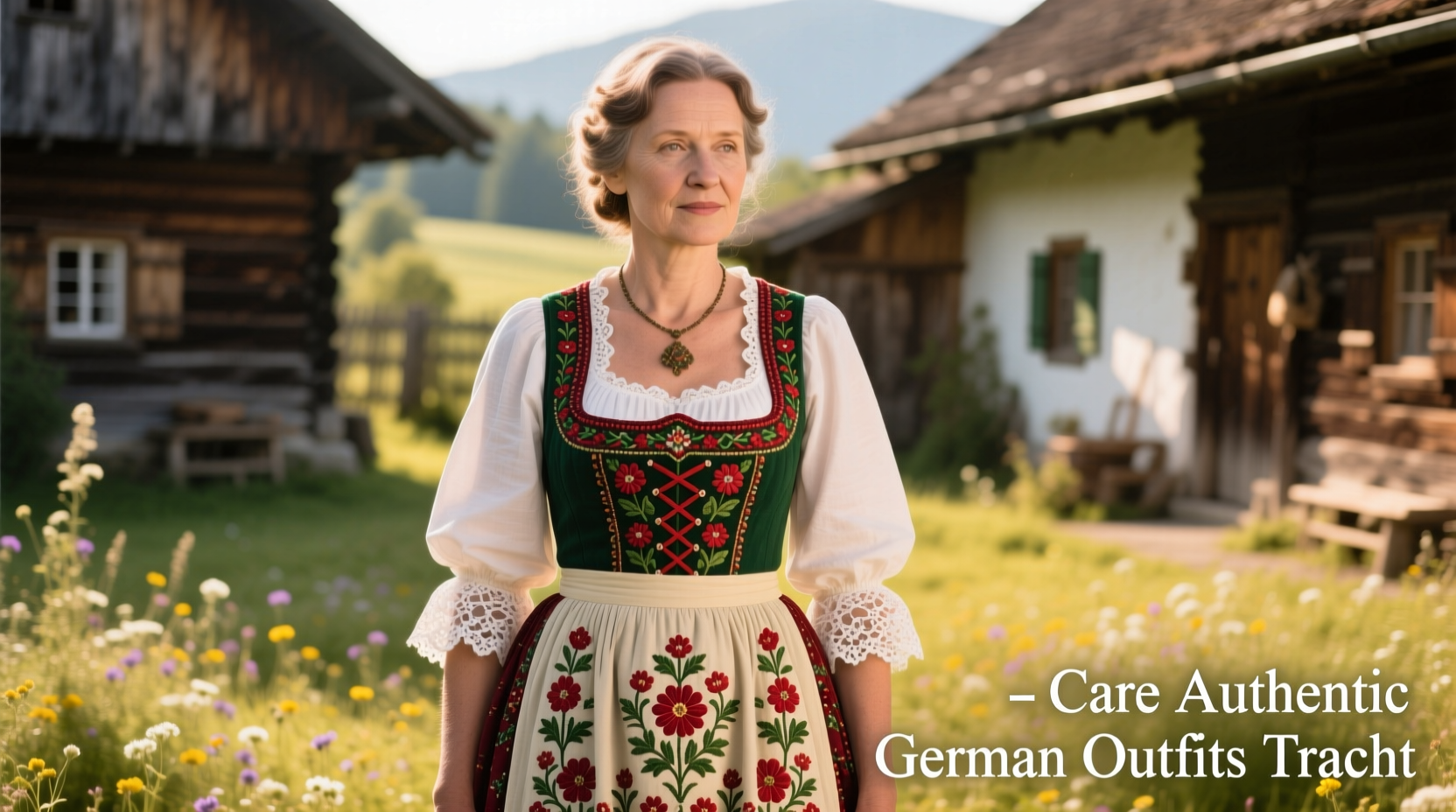
A traditional dirndl is not a single dress, but a modular ensemble consisting of four distinct pieces. Each requires a tailored approach to cleaning and storage.
The Blouse (Dirndlbluse)
Typically crafted from crisp cotton, linen, or delicate batiste, the blouse is the only component that directly touches the skin and requires frequent washing. Hand-wash in cool water (maximum 30°C) using a mild, pH-neutral detergent. To achieve the traditional stiff, structured silhouette, lightly starch the collar and puff sleeves using a spray starch designed for natural fibers. Never tumble dry; instead, reshape while damp and iron on a medium-high setting with steam.
The Skirt (Rock) and Bodice (Mieder)

High-quality dirndl skirts are often made from wool blends, heavy cotton, or raw silk. The structured bodice (Mieder) contains internal stiffening and sometimes delicate metallic embroidery or horn buttons. Never machine wash the Mieder or a wool Rock. Spot clean minor stains with a damp cloth and a specialized wool detergent. For deep cleaning, take the ensemble to a dry cleaner experienced in handling structured European folk dress. Expect to pay between €25 and €50 for professional Tracht dry cleaning.
The Apron (Schürze)
The apron dictates the formality of the outfit. While cotton and linen aprons can be gently hand-washed, authentic silk aprons (Seidenschürze)—which can cost anywhere from €80 to €250—are highly susceptible to water spotting and heat damage. Dry clean silk aprons only. When ironing, always use a pressing cloth on the lowest silk setting to prevent scorching the delicate fibers.
Lederhosen: Nourishing Heritage Leathers
Authentic lederhosen are an investment, often ranging from €450 to over €1,500 for bespoke pairs. They are traditionally crafted from Hirschleder (deer leather) or Ziegenleder (goat leather) using an ancient oil-tanning method known as Sämischgerbung. The Deutsches Leder- und Schuhmuseum notes that this chamois-tanning process makes the leather exceptionally breathable and soft, but highly vulnerable to modern chemical cleaners and excessive water.
"A well-worn pair of Hirschleder breeches develops a rich, dark patina that tells the story of the wearer. This patina is a hallmark of authenticity and should be nurtured, not stripped away."
Step-by-Step Leather Conditioning
- Brushing: After each wear, use a soft-bristled suede brush to remove dust and dried mud. Brush in one direction to lift the natural nap of the leather.
- Stain Removal: For grease or oil stains, apply a specialized leather eraser (Radiergummi) or a small amount of fuller's earth. Never use water or soap, which will strip the natural oils and cause the leather to stiffen and crack.
- Conditioning: Once or twice a year, massage a high-quality Hirschfett (deer fat balsam) or a beeswax-based leather conditioner into the hide. Apply sparingly with a clean cotton cloth, let it absorb overnight, and buff off the excess.
- Horn Buttons: Genuine Hirschhornknöpfe (deer horn buttons) can dry out and crack. Rub a drop of mineral oil or horn balm onto the buttons annually to maintain their luster and structural integrity.
Wool Tracht Jackets (Trachtenjacke) and Loden
Loden is a traditional alpine fabric created by milling and shrinking raw sheep's wool (Schafschurwolle) until it becomes dense, wind-resistant, and naturally water-repellent. To maintain the integrity of a Loden Trachtenjacke or Janker, avoid frequent washing. The lanolin naturally present in the wool repels dirt and odors. Instead, air the jacket out on a balcony on a humid, foggy morning—the moisture will naturally release trapped odors and relax wrinkles. Use a natural bristle garment brush to remove surface debris. If the jacket becomes soaked in rain, hang it on a wide, contoured wooden hanger away from direct heat sources to dry naturally.
Seasonal Storage Protocols
Improper storage is the leading cause of irreversible damage to authentic German outfits. Mothballs contain naphthalene or paradichlorobenzene, which can chemically react with silk aprons and degrade the natural oils in lederhosen. Instead, rely on natural pest deterrents and breathable environments.
| Garment Component | Pre-Storage Cleaning | Ideal Storage Method | Pest & Moisture Control |
|---|---|---|---|
| Lederhosen | Brush & condition with Hirschfett | Breathable cotton garment bag; stuffed with acid-free tissue to hold shape | Cedarwood blocks (refreshed annually) |
| Dirndl Mieder & Rock | Professional dry cleaning | Padded wooden hanger; covered in unbleached muslin | Lavender sachets (kept away from direct fabric contact) |
| Silk Schürze | Dry clean only | Folded loosely with acid-free tissue paper in a dark, climate-controlled drawer | Silica gel packets in the drawer to control humidity |
| Dirndlbluse | Wash, starch, and iron | Folded in a breathable cotton storage box | Dried rosemary or cedar rings |
| Loden Jacket | Brush and air out thoroughly | Wide contoured wooden hanger inside a cotton cover | Cedarwood blocks and proper closet ventilation |
When to Seek Professional Tracht Restoration
Even with meticulous care, authentic garments may eventually require professional intervention. The Bayerischer Trachtenverband actively supports a network of master tailors (Trachtenschneidereien) who specialize in heritage garment restoration. You should consult a master tailor if you notice the following:
- Leather Seam Failure: If the heavy linen or silk stitching on your lederhosen begins to fray or snap, a cobbler or leatherworker must re-stitch it using traditional waxed threads.
- Bodice Boning Distortion: If the internal structure of the Mieder warps or pokes through the fabric, a tailor can replace the boning and reinforce the lining.
- Silk Shattering: Vintage or heavily worn silk aprons may begin to split along the fold lines (a process known as silk shattering). A conservator can stabilize the fabric with a sheer silk backing.
Treating your authentic German outfits with the respect and specialized care they demand ensures that these remarkable pieces of European folk dress remain vibrant, wearable, and historically accurate for decades to come.