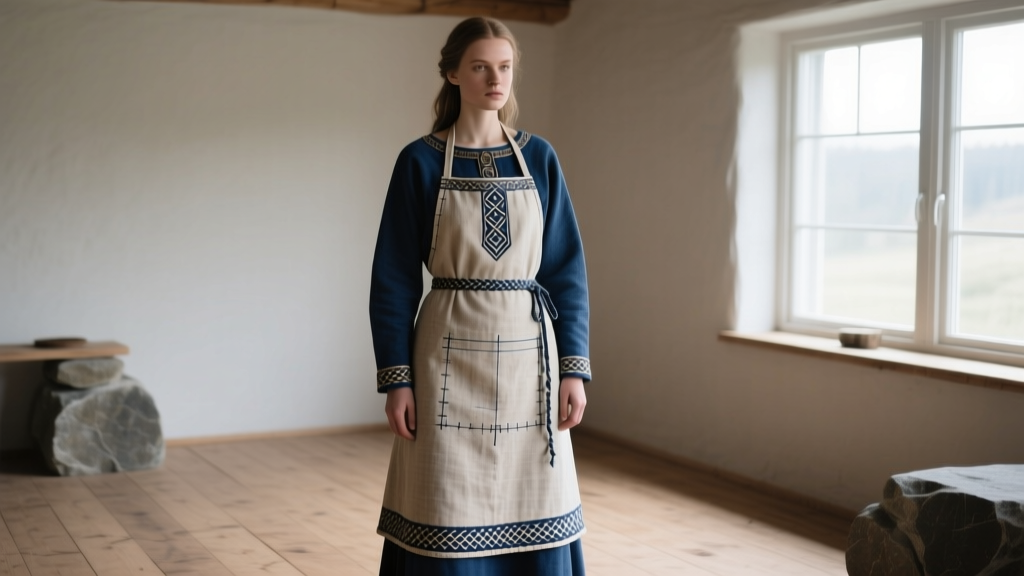
Traditional German Clothing: A Beginner's Guide to Tracht

When most people hear the phrase traditional German clothing, images of Oktoberfest beer tents, dirndls, and lederhosen immediately spring to mind. However, reducing Germany’s rich textile heritage to a two-week autumn festival does a disservice to centuries of regional craftsmanship. In Germany, traditional dress is known as Tracht—a living, breathing sartorial tradition that varies wildly from the windswept islands of the North Sea to the alpine peaks of Bavaria.
This beginner’s guide will help you navigate the complexities of traditional German clothing, from understanding garment anatomy and regional variations to mastering cultural etiquette and making authentic purchases.
Beyond Oktoberfest: Understanding "Tracht" vs. "Trachtenmode"
Before purchasing your first garment, it is vital to understand the distinction between Tracht and Trachtenmode. According to the Bayerisches Nationalmuseum in Munich, historical Tracht evolved organically over centuries, dictated by local materials, climate, and sumptuary laws. It was the everyday and Sunday-best clothing of the rural working class.
In contrast, Trachtenmode (tracht fashion) is a modern, commercialized interpretation. While high-end Trachtenmode can be beautifully crafted and perfectly acceptable for weddings and festivals, mass-produced "costume" versions sold in tourist shops often rely on synthetic fabrics, inaccurate silhouettes, and hyper-sexualized cuts that offend traditionalists. As a beginner, your goal should be to invest in high-quality Trachtenmode or authentic Tracht that respects the garment's historical roots.
The Anatomy of the Dirndl: More Than Just a Dress
The dirndl is the quintessential women's garment of the Alpine regions (Bavaria, Austria, and South Tyrol). A true dirndl is not a single dress, but a meticulously assembled ensemble consisting of four distinct parts.
The Four Essential Components
- Dirndlbluse (Blouse): Worn under the bodice, typically white and made of cotton, linen, or batiste. Sleeves can range from short puffed styles to elegant three-quarter lengths.
- Mieder (Bodice): The structured, tightly fitted core of the dress. Authentic bodices are reinforced with sturdy linings and fasten with silver hooks (Häkeln), eyelets, or decorative buttons, never a back zipper.
- Rock (Skirt): A full, heavily gathered (gereiht) skirt attached to the bodice. Skirt lengths are strictly categorized: Mini (above the knee, mostly for youth/festivals), Midi (just below the knee, the modern standard), and Lang (ankle-length, reserved for formal events and church).
- Schürze (Apron): A separate, detachable apron tied at the front. It is slightly shorter than the skirt and is the canvas for the famous "bow code."
The Apron Bow (Schleife) Etiquette
The placement of the apron bow is a traditional signaling system used across Alpine regions to indicate the wearer's relationship status:
- Left Side: Single and available to mingle.
- Right Side: Married, engaged, or in a committed relationship.
- Center: Historically indicated virginity; today, it is mostly worn by young girls or simply as a stylistic choice by those unaware of the code.
- Back: Widowed, or working as a waitress/server (tied back for practicality).
Lederhosen and Bundhosen: A Masterclass in Leatherwork
For men, traditional German clothing centers around leather breeches. While often lumped together as "lederhosen," there are distinct variations based on length and region.
- Kurze Lederhosen: Short leather breeches ending above the knee, typically worn in the summer or for dancing (Schuhplattler).
- Bundhosen (or Kniebundhosen): Knee-length leather trousers that tie or button just below the knee. These are considered more formal and are standard for weddings and church attendance.
Leather Types and Tanning
The soul of authentic lederhosen lies in the tanning process. Mass-market trousers use chrome-tanned cowhide, which is stiff and degrades over time. Authentic artisan lederhosen are crafted from Hirschleder (deerskin) or Gamsleder (chamois) using a traditional method called Sämischgerbung. This brain-and-oil tanning process takes weeks and results in a remarkably soft, breathable leather that can actually be washed with water and saddle soap. Over time, the leather develops a rich patina (Speck) that is highly prized by wearers.
The Complete Male Tracht Ensemble
Lederhosen are only one piece of the puzzle. A complete ensemble includes:
- Trachtenhemd: A rustic linen or cotton shirt, often featuring subtle check patterns or horn buttons.
- Hosenträger: Suspenders, often intricately embroidered with oak leaves, edelweiss, or hunting motifs.
- Haferlschuhe: Traditional Alpine shoes characterized by their unique lateral lacing system, designed to provide ankle support on uneven mountain terrain.
- Tirolerhut & Gamsbart: A felt hat adorned with a Gamsbart—a tuft of chamois hair bound in metal or horn. The size and quality of the Gamsbart historically indicated the wearer's wealth and hunting prowess.
Regional Diversity: A Chart of German Folk Dress
Germany's federal structure and varied geography have birthed dozens of distinct regional costumes. The Schwarzwälder Freilichtmuseum Vogtsbauernhof preserves many of these incredible regional variations. Below is a comparison of four major regional styles:
| Region | Garment Name | Key Features & Materials | Cultural Context |
|---|---|---|---|
| Bavaria (Alpine) | Miesbacher Tracht | Dark wool skirts, silk aprons, velvet bodices; Men wear grey-green loden wool jackets and short lederhosen. | The most globally recognized style; heavily regulated by local Trachtenvereine (folk clubs). |
| Black Forest | Bollenhut Tracht | Black pleated skirts, white puffed blouses, and the iconic wide-brimmed straw hat with red (unmarried) or black (married) wool pompoms. | Specific only to three villages (Gutach, Kirnbach, Hornberg-Reichenbach), not the entire Black Forest. |
| Friesland (North) | Friesische Tracht | Heavy, dark fabrics to combat North Sea winds. Elaborate silver filigree jewelry (Filigranschmuck) and floral silk headpieces. | Reflects the maritime wealth of Frisian whalers and sea captains; highly formal and expensive. |
| Hesse (Central) | Schwälmer Tracht | Short, puffy skirts (up to 15 layers), heavily embroidered bodices featuring the "heart and tulip" motif, and small caps. | Famous for its vibrant red accents (for young women) transitioning to green, blue, and black as women aged. |
The Beginner’s Buying Guide: Prices and Authenticity
Investing in traditional German clothing requires understanding the market tiers. The Bayerischer Trachtenverband (Bavarian Tracht Association) frequently advocates for supporting local artisans over fast-fashion imports. Here is what you can expect to pay in 2026:
Price Tiers and What They Mean
- Budget / Carnival Tier (€30 - €90): Sold in tourist traps and online mega-retailers. Materials are polyester blends; zippers are exposed; embroidery is glued or machine-printed. Verdict: Avoid. These are considered disrespectful costumes, not clothing.
- Mid-Range / Commercial Trachtenmode (€150 - €400): Reputable heritage brands (e.g., Lodenfrey, Angermaier, Krüger). You will find genuine cotton, linen, and silk blends, horn buttons, and proper tailoring. Verdict: Excellent for beginners, wedding guests, and Oktoberfest attendees.
- High-End / Bespoke Artisan (€600 - €2,000+): Hand-woven fabrics, bespoke corsetry, and hand-embroidered details. For men, this includes authentic Sämischgerbung stag leather lederhosen (which alone can cost €800+). Verdict: For serious enthusiasts, folk dancers, and those attending high-society Alpine weddings.
Cultural Respect: Rules for Wearing Traditional German Clothing
Wearing Tracht is a privilege that comes with cultural responsibilities. To wear traditional German clothing respectfully, adhere to these core principles:
- Never Mix and Match Regions: Do not pair a Black Forest Bollenhut with a Bavarian dirndl. Regional garments carry specific historical weights and mixing them is viewed as culturally ignorant.
- Respect the Hemline: While modern festival fashion has pushed dirndl hemlines higher, a true Tracht skirt should cover the knees when seated. If you are attending a church service, a traditional wedding, or a formal folk event, a Midi or Lang skirt is mandatory.
- Footwear Matters: Avoid wearing sneakers, stilettos, or flip-flops with your Tracht. Women should opt for low-heeled leather pumps, ankle boots, or traditional Trachtenschuhe. Men must wear Haferlschuhe or rugged leather loafers with wool socks (never white athletic socks).
- Acknowledge the Living Tradition: Remember that for millions of Germans, Austrians, and South Tyroleans, this is not a "costume" meant for dress-up. It is a proud expression of regional identity, often passed down through generations or saved for over a year to purchase. Treat the garments, and the people who wear them daily, with respect.
By understanding the deep history, regional nuances, and proper etiquette of traditional German clothing, you transition from merely wearing a costume to participating in a centuries-old cultural dialogue. Whether you are tying your dirndl apron on the left or lacing up your Haferlschuhe for a folk dance, you are now equipped to wear Tracht with confidence and respect.