German Costumes: Tracht Beginner Guide

Beyond the Beer Tent: Understanding Tracht vs. German Costumes
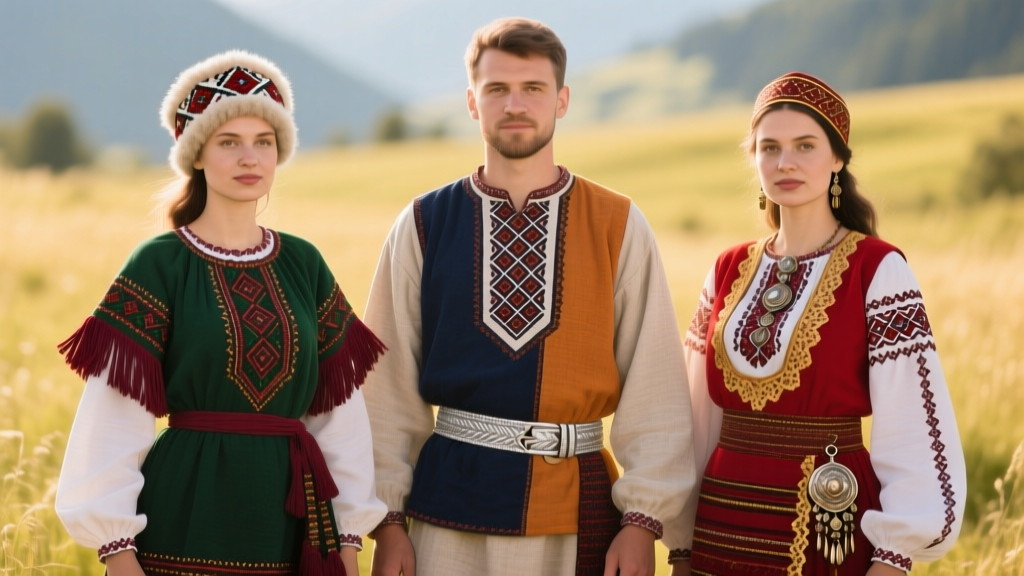
When most of the world searches for 'german costumes', they are often met with images of mass-produced, synthetic party wear designed for Oktoberfest tourists. However, to cultural historians and millions of Central Europeans, these garments are not 'costumes' at all. The correct term is Tracht (pronounced 'trakht'), a living, breathing tradition of regional folk dress that denotes social standing, marital status, and geographic origin.
According to the Bayerisches Nationalmuseum (Bavarian National Museum), the romanticization of rural dress began in the late 18th and early 19th centuries. Aristocrats and urbanites began adopting the practical workwear of Alpine farmers and hunters, elevating it into a symbol of national and regional pride. Today, Tracht is experiencing a massive renaissance, worn not just at festivals, but at weddings, church services, and formal civic events across Germany and Austria.
The Anatomy of the Dirndl: More Than Just a Dress
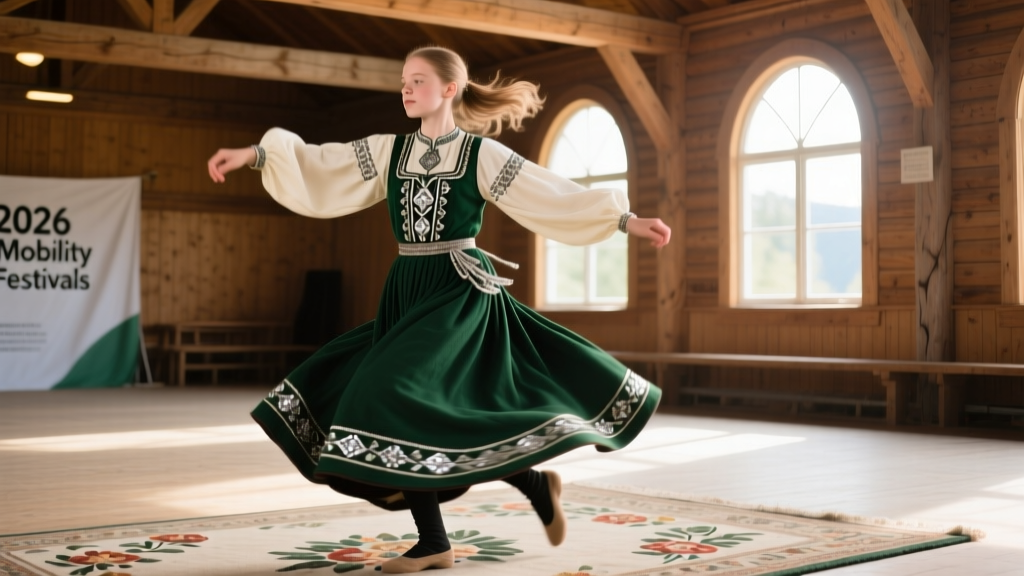
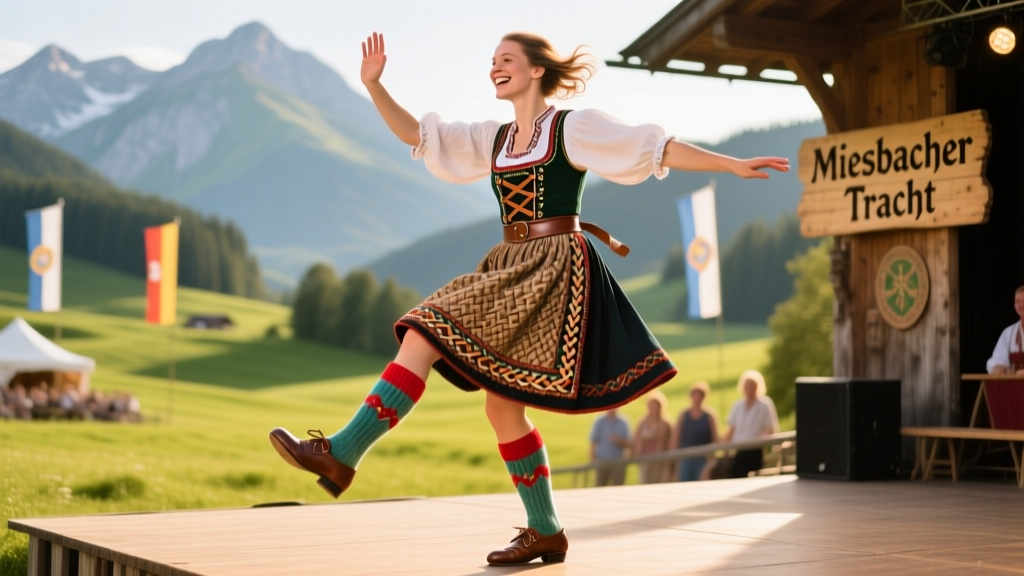
The Dirndl is the most globally recognized piece of women's Tracht. Originating as the utilitarian dress of Alpine maidservants in the 18th century, it has evolved into a highly structured, meticulously crafted garment. A true Dirndl is never a single piece of fabric; it is a modular ensemble consisting of four distinct components.
The Four Essential Components
- Die Bluse (The Blouse): Worn underneath the bodice, traditionally white and made of cotton, linen, or fine batiste. Necklines vary from demure high-collars to deep balconette cuts, often trimmed with delicate lace or smocking.
- Das Mieder (The Bodice): The structural heart of the Dirndl. It is heavily boned or reinforced to provide shape and support, fastening with a zipper, hook-and-eye closures, or traditional lacing. High-end Mieders are often made of silk, brocade, or fine wool.
- Der Rock (The Skirt): Attached to the bodice, the skirt is heavily gathered or pleated (plisseé) at the waist to create volume. Traditional lengths fall just below the knee, though modern fashion Dirndls may feature midi or mini hemlines.
- Die Schürze (The Apron): The defining accessory. A Dirndl is never worn without an apron. It is tied at the front and serves as the primary indicator of the wearer's relationship status.
The Apron Knot: A Silent Language
The placement of the Schürze bow is a strict cultural protocol. Tying it incorrectly can lead to awkward social misunderstandings.
- Bow on the Left: The wearer is single and potentially open to courtship.
- Bow on the Right: The wearer is married, engaged, or in a committed relationship.
- Bow in the Center: Traditionally signifies virginity, though in modern contexts, some women use it to politely signal 'mind your own business'.
- Bow at the Back: Indicates the wearer is widowed, or, practically speaking, that she is a waitress or staff member working the event.
Herrentracht: The Craftsmanship of Lederhosen
Men's traditional dress, or Herrentracht, is anchored by the legendary Lederhosen (leather breeches). Originally designed for hunting, forestry, and mountain work, the durability of leather made it the ultimate workwear for Alpine men. Today, it is a highly prized garment that can last for generations.
Leathers, Cuts, and the Säckler
Authentic Lederhosen are crafted by a master leatherworker known as a Säckler. The most prized material is Hirschleder (deer leather), valued for its incredible softness, breathability, and ability to mold to the wearer's body over time. Wild boar and goat leathers are also used for heavier-duty variants.
The cuts generally fall into three categories:
- Kurze Lederhosen: Short, ending above the knee. The most common choice for summer festivals and Oktoberfest.
- Kniebundlederhosen: Ending just below the knee, fastened with a leather band. Often worn with thick wool socks (Loferl).
- Lange Lederhosen (Bundlederhosen): Full-length leather trousers, traditionally worn by hunters and foresters in colder months.
Authentic pairs feature a front drop flap called a Latzen, horn buttons, and intricate, region-specific hand-embroidery (Stickerei) depicting edelweiss, oak leaves, or hunting motifs. The Bayerischer Trachtenverband (Bavarian Tracht Association) actively preserves these regional embroidery codes, ensuring that a pair from Miesbach looks distinctly different from one crafted in Berchtesgaden.
Essential Men's Accessories
A complete Herrentracht ensemble requires specific accessories. Footwear consists of Haferlschuhe, sturdy, side-laced leather shoes with nailed soles, originally designed for navigating steep Alpine terrain. Headwear is typically a felt Tyrolean hat, adorned with a Gamsbart—a tuft of hair from the chamois antelope. The size and thickness of the Gamsbart historically indicated the wealth and hunting prowess of the wearer.
Finally, men often wear a Charivari, a heavy silver chain worn across the front of the Lederhosen drop flap. Originally a talisman for hunters made from animal teeth and claws, modern Charivaris feature silver coins, badger claws, and semi-precious stones.
Regional Variations Across Germany
While Bavarian Tracht dominates global perceptions of 'german costumes', Germany boasts a staggering diversity of regional folk dress. The Deutsches Historisches Museum (German Historical Museum) archives hundreds of distinct variations, each adapted to local climates, industries, and religious sects.
| Region | Garment Name | Key Distinguishing Feature | Primary Materials |
|---|---|---|---|
| Upper Bavaria | Miesbacher Tracht | Gold and silver embroidery, heavily structured silk bodices, ornate Charivari. | Hirschleder, silk, fine wool |
| Black Forest | Schwarzwälder Tracht | The iconic Bollenhut (a broad-brimmed hat with large red or black wool pompoms). Red for unmarried women, black for married. | Heavy wool, linen, velvet |
| North Friesland | Friesische Tracht | Elaborate silver filigree jewelry, dark pleated skirts, and vibrant, heavily embroidered aprons reflecting maritime wealth. | Dark wool, silk, silver filigree |
| Swabia | Alb-Tracht | Modest, Protestant-influenced designs featuring dark colors, intricate lace caps (Hauben), and minimal jewelry. | Linen, cotton, dark wool |
The Beginner's Buying Guide: Pricing and Quality Tiers
Investing in authentic German Tracht requires an understanding of the market tiers. Avoid 'costume' shops selling polyester blends; instead, look for specialized Trachten boutiques or direct-from-artisan purchases.
Dirndl Price Tiers (EUR)
- Mass-Market / Fast Fashion (€80 - €180): Found in department stores. Usually cotton-polyester blends, machine-stitched, with plastic buttons and glued-on lace. Acceptable for a one-time tourist visit, but lacks durability and cultural authenticity.
- Mid-Range Artisan (€250 - €600): The sweet spot for beginners. Made from 100% cotton, linen, or raw silk. Features genuine horn buttons, hidden zippers, and properly finished seams. Brands like Dirndl.com or Angermaier offer excellent entry-level quality.
- Bespoke / Maßanfertigung (€800 - €2,500+): Custom-tailored to your exact measurements. Uses premium brocades, hand-pleated skirts, and antique silver clasps. Crafted by master tailors (Trachtenschneiderei).
Lederhosen Price Tiers (EUR)
- Tourist Grade (€120 - €200): Made from pigskin or split cowhide, often treated with harsh chemicals. The embroidery is machine-stamped. The leather will feel stiff and may crack over time.
- Authentic Suede / Goatskin (€350 - €700): Genuine, brain-tanned or vegetable-tanned leather. Hand-embroidered with waxed linen thread. Will soften beautifully with wear and develop a rich patina.
- Master Säckler Hirschleder (€900 - €3,000+): Hand-cut from premium Alpine deer leather. Features traditional saddle-stitching and bespoke embroidery motifs. A lifetime investment piece.
Cultural Etiquette: How to Wear German Costumes Respectfully
Wearing Tracht as a foreigner is generally welcomed and celebrated by Germans, provided it is done with respect for the garment's cultural weight. To avoid looking like you are wearing a caricature, follow these essential etiquette rules:
- Ditch the Sneakers: Never wear modern athletic shoes with Tracht. Men should wear Haferlschuhe or sturdy leather loafers; women should opt for leather pumps, ankle boots, or traditional Trachtenschuhe.
- Mind the Hemline: While modern fashion Dirndls can be short, a traditional Dirndl should cover the knees when standing. If attending a formal event, church, or a traditional Schützenfest, always opt for a midi or maxi length.
- Respect the Seasonality: Tracht is highly seasonal. Lightweight cottons and short sleeves are for summer; heavy wool, long-sleeved blouses, and dark colors are strictly for autumn and winter. Wearing a summer Dirndl in December will immediately mark you as an outsider.
- Avoid 'Sexy' Variations: Many tourist shops sell 'sexy Dirndls' with corset-style push-up bodices and micro-mini skirts. In authentic Bavarian culture, these are viewed as tacky and inappropriate for traditional venues. Opt for a well-fitted, structured bodice that provides support without relying on excessive cleavage.
By understanding the deep history, regional nuances, and strict craftsmanship behind German costumes, you transition from merely wearing a party outfit to participating in a centuries-old cultural dialogue. Whether you are investing in your first hand-embroidered Lederhosen or a beautifully pleated Allgäuer Dirndl, respecting the Tracht ensures you honor the artisans and communities who keep these traditions alive today.