Bavarian Vest Guide: Styling Trachtenweste for 2026 Festivals
Beyond the Lederhosen: The Cultural Weight of the Bavarian Vest
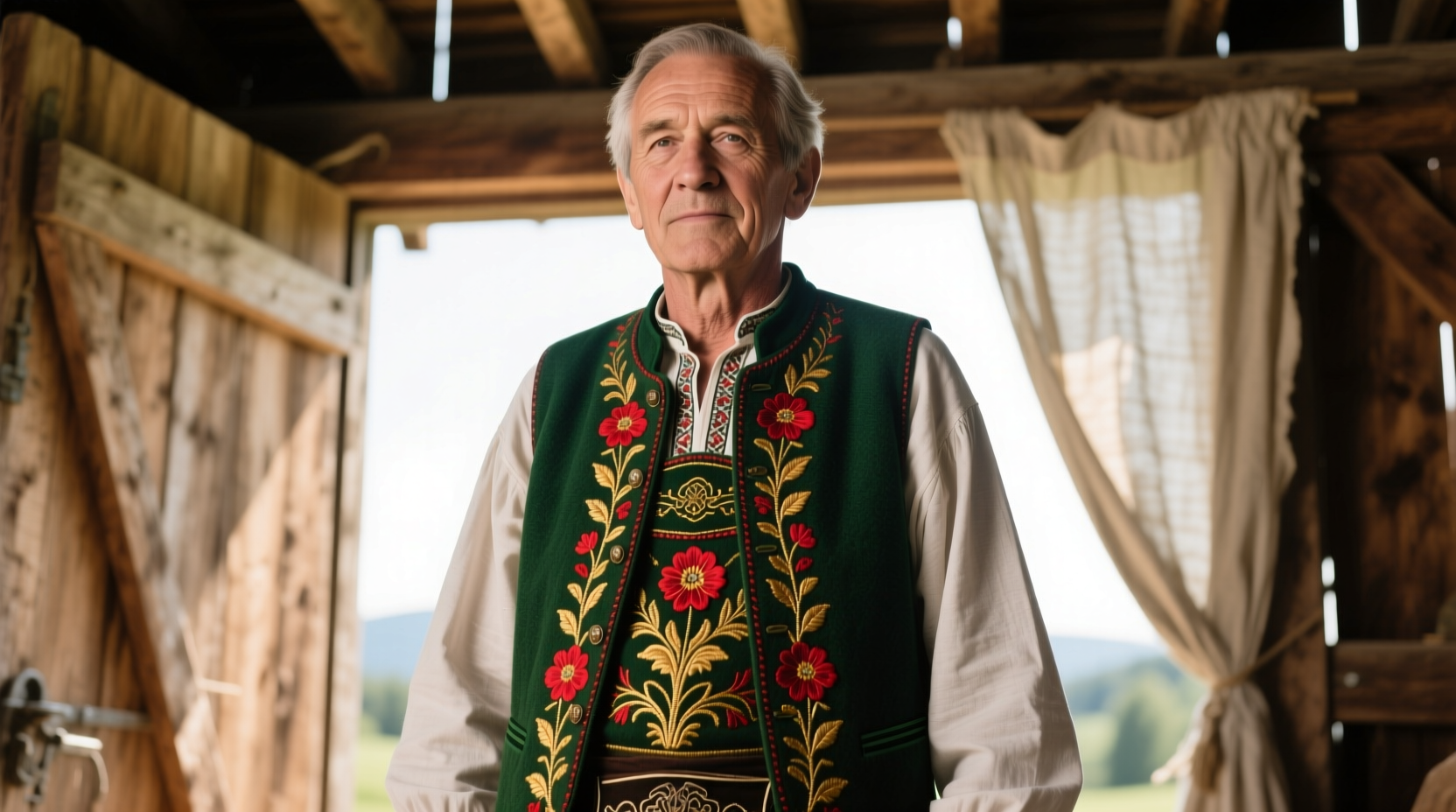
When preparing for traditional Alpine festivals, the global spotlight often falls heavily on leather breeches. Yet, for seasoned practitioners of Alpine Tracht (traditional folk dress), the true centerpiece of a man’s ensemble is the Bavarian vest, known natively as the Trachtenweste or Gilet. Far from being a mere accessory, the vest is a canvas of regional identity, artisan craftsmanship, and social signaling. As we look toward the 2026 festival season—from the bustling tents of the Munich Oktoberfest to the rural Maibaumaufstellen (Maypole erections)—understanding the nuances of the Bavarian vest is essential for anyone wishing to participate in these living traditions with respect and authenticity.
It is vital to distinguish between Tracht and Kostüm. In Bavarian and Austrian culture, a Kostüm is a mass-produced costume worn for play or theater. Tracht is a living, evolving cultural garment worn with pride. Wearing a proper Trachtenweste signals your respect for the host culture and the artisans who keep these textile traditions alive.
Anatomy of the Trachtenweste: Construction and Materials
A high-quality Bavarian vest is a marvel of traditional tailoring. Unlike modern suit vests, which are often fused and machine-stitched, an authentic Gilet relies on specialized materials and structural elements designed for the rigors of festival dancing and alpine weather.
The Front Panels: Brocade, Wool, and Horn
The front of the vest is the public-facing element, designed to withstand wear while displaying regional aesthetics. Traditional fronts are crafted from:
- Schurwolle (Virgin Wool): Highly durable, naturally water-resistant, and ideal for outdoor spring and autumn festivals. Often woven in subtle herringbone or houndstooth patterns.
- Brokat (Brocade): A jacquard-woven fabric featuring raised, intricate floral or geometric patterns. Brocade vests are typically reserved for high-festive occasions (Festtagstracht), weddings, and church holidays.
- Leinen (Linen): Used primarily in summer Tracht or specific regional variations, offering breathability for warm beer-tent environments.
The edges of the front panels are often finished with Paspelierung (piping)—a thin cord of contrasting fabric sewn into the seam to provide structural reinforcement and a sharp visual outline.
The Back Panel and the Martingale
Historically, the back of a Trachtenweste was made from inexpensive cotton or linen because it was always hidden beneath a Trachtenjacke (traditional jacket). Today, as many men wear the vest as a standalone outer layer during warmer festival days, full-back vests in matching wool or complementary silk are highly sought after. The defining feature of the back is the Martingale—an adjustable strap with a metal or horn buckle that allows the wearer to cinch the vest tightly against the body, ensuring a sharp silhouette that ends precisely at the waistband of the trousers.
Buttons: The Hardware of Heritage
Buttons are not an afterthought; they are regional markers. According to archives at the Bayerisches Nationalmuseum, button materials historically denoted a wearer's village and social standing. Common authentic materials include:
- Hirschhorn (Stag Horn): The gold standard for rustic and hunting Tracht. Each button is unique, featuring natural ridges and a matte finish.
- Metall (Pewter or Silver): Often cast with edelweiss, acorn, or family crest motifs. Silver buttons are a hallmark of the formal Miesbacher Tracht.
- Perlmutt (Mother of Pearl): Used primarily on lighter, summer linen vests or women's Dirndl bodices, though occasionally seen on refined men's summer waistcoats.
Regional Variations Across Bavaria and Austria
The Bayerischer Trachtenverband (Bavarian Tracht Association) recognizes dozens of distinct regional styles. When selecting a Bavarian vest for 2026 events, aligning your garment with a specific regional style demonstrates deep cultural appreciation.
Cultural Etiquette Note: While mixing and matching is common in modern 'Landhausmode' (country-house fashion), strict traditionalists at events like the Gausternfest will expect your vest, jacket, and hat to adhere to the specific color palette and material rules of a single region.
Miesbacher Tracht
Originating from the Miesbach district, this is perhaps the most famous and formal Tracht. The vest is typically dark grey, anthracite, or black wool, featuring subtle silk embroidery and polished silver buttons. It is the epitome of Alpine elegance and is heavily favored for formal weddings and high-level festival VIP tents.
Werdenfelser Tracht
Hailing from the Garmisch-Partenkirchen region, the Werdenfelser vest is noticeably more colorful. Expect rich forest greens, deep burgundies, and brown wools, almost always fastened with natural Hirschhorn (horn) buttons. It projects a rugged, mountain-ready aesthetic perfect for outdoor Schützenfeste (marksmen festivals).
Berchtesgadener Tracht
Distinctive for its use of lighter greys and intricate, hand-embroidered floral motifs (often featuring the edelweiss or gentian flower) along the lapels and pockets. The embroidery is traditionally done in silk thread, requiring hundreds of hours of artisan labor.
Festival Event Guide: When and How to Wear Your Vest
Different Alpine and Bavarian events dictate different levels of formality and specific styling protocols for your Trachtenweste.
Oktoberfest (Wiesn) & Frühlingsfest
For the massive Munich beer festivals, comfort and durability are paramount. A wool or heavy cotton-blend vest in earthy tones (brown, olive, dark grey) is ideal. Avoid overly delicate silk brocades, which can be damaged by spills and crowded benches. Ensure the Martingale is adjusted snugly so the vest does not bunch up when sitting.
Maibaumaufstellen (Maypole Erection)
Held on May 1st across Bavarian villages, this is a community-centric event. The local Burschenverein (young men's club) will wear their formal guild Tracht. As a guest, a smart linen or lightweight wool vest in a festive color (like deep green or navy) paired with a checked Pfoad (shirt) shows appropriate celebratory respect without overshadowing the hosts.
Schützenfest (Marksmen Festival)
These summer festivals are steeped in guild tradition. If you are participating as a guest, lean into the hunting aesthetic: a loden wool vest with horn buttons, paired with a Gamsbart (chamois hair) hat brush. Avoid shiny metals or silk, which clash with the rustic, martial history of the event.
2026 Buyer’s Matrix: Price Tiers and Authenticity Check
Investing in a Bavarian vest requires navigating a market flooded with fast-fashion imitations. Use this matrix to identify genuine quality when shopping for the 2026 season.
| Tier | Price Range (EUR) | Materials & Construction | Best For |
|---|---|---|---|
| Fast Fashion / Kostüm | €40 - €90 | Polyester blends, plastic horn-look buttons, glued interlining, printed patterns. | One-off tourist visits; not recommended for cultural events. |
| Mid-Range / Landhausmode | €120 - €250 | Wool/cotton blends, real horn or metal buttons, functional Martingale, basic piping. | Oktoberfest, casual village festivals, beer garden outings. |
| Artisan / Master Tailor | €300 - €600+ | 100% Schurwolle or pure silk brocade, hand-stitched buttonholes, real Hirschhorn, full silk or wool lining. | Weddings, formal Trachtenverein events, Schützenfest, heritage gatherings. |
Pairing Protocols: Shirts, Ties, and Footwear
A Trachtenweste cannot stand alone; it must be integrated into a cohesive ensemble. Follow these pairing rules to ensure sartorial harmony.
The Shirt (Pfoad or Hemd)
Never wear a standard business dress shirt with a traditional vest. Opt for a Pfoad—a traditional linen or cotton shirt featuring a stand-up collar (Stehkragen) or a subtle bib front. Colors should be white, off-white, or muted checks (blue/white or red/white).
Neckwear (Krawatte or Halstuch)
Standard long neckties are strictly forbidden in traditional Tracht. Instead, wear a Seidengreifer (silk cravat) tucked neatly into the shirt, or a Halstuch (silk neckerchief) tied in a traditional knot and secured with a silver or horn slide. For highly formal events, a wide, textured silk bow tie (Mascherl) is appropriate.
Trousers and Footwear
The vest must be paired with authentic Lederhosen (short leather breeches) or Bundhosen (knee-length leather breeches). The hem of the vest should meet the waistband of the trousers exactly; it should never overlap the leather suspenders (Hosenträger). Complete the look with Haferlschuhe (traditional side-laced Alpine shoes) and Loferl (calf-warmers worn with short socks).
Sourcing Authentic Pieces
For the 2026 festival season, bypass the tourist traps on Munich's Kaufingerstraße. Seek out established Trachtenmode houses such as Lodenfrey, Angermaier, or regional tailors in towns like Garmisch-Partenkirchen, Miesbach, and Berchtesgaden. Many master tailors (Trachtenschneidermeister) require a lead time of 8 to 12 weeks for bespoke measurements, so plan your fittings well before autumn. By investing in a genuine Trachtenweste, you are not merely buying a garment; you are preserving a vital thread of European textile heritage.