Bavarian Style: Tracht, Dirndl & Lederhosen Guide

The global perception of Bavarian style is heavily skewed by two weeks in late September. While Oktoberfest has exported a highly commercialized, often exaggerated version of Alpine dress to the world, the authentic sartorial tradition of Bavaria—known as Tracht—is a deeply rooted, highly regulated, and meticulously crafted cultural heritage. For beginners looking to understand, purchase, or respectfully wear Bavarian folk dress, it is essential to separate the mass-produced party costumes from the living, breathing tradition of the Trachtenvereine (Tracht preservation clubs).
This comprehensive beginner’s guide decodes the anatomy of authentic Bavarian style, from the intricate oil-tanning processes of master leatherworkers to the unspoken language of the Dirndl apron bow.
Decoding "Tracht": Beyond the Oktoberfest Stereotype
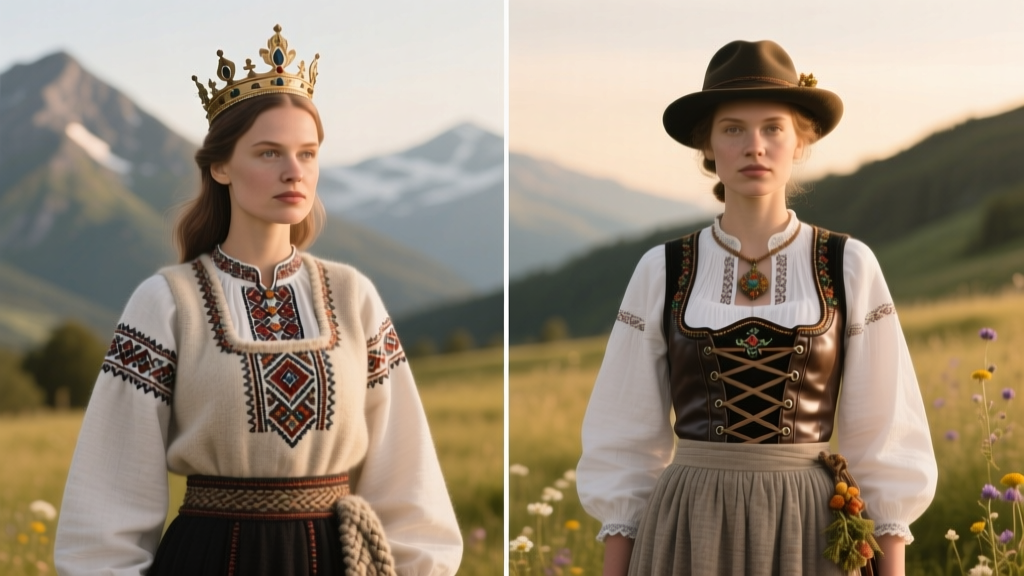
In the German language, the word Tracht translates roughly to "traditional costume" or "customary dress," derived from the verb tragen (to wear or carry). However, in Bavaria, Tracht is not a historical reenactment garment; it is living formal and semi-formal wear. It is crucial for beginners to distinguish between three distinct categories of Alpine clothing:
- Echte Tracht (Authentic Tracht): Handcrafted, regionally specific garments made from natural materials (silk, wool, linen, deer leather) that adhere to strict historical guidelines set by local Tracht associations.
- Landhausmode (Country House Fashion): Commercial, ready-to-wear fashion inspired by Tracht. While acceptable for casual festivals, it lacks the regional specificity and artisanal construction of true Tracht.
- Faschingskostüme (Carnival Costumes): Cheap, synthetic "beer wench" or "sexy Lederhosen" outfits. These are considered highly disrespectful to Bavarian culture and are frowned upon at traditional Volksfeste (folk festivals).
The Anatomy of Authentic Bavarian Lederhosen
Lederhosen (literally "leather breeches") are the cornerstone of men's Bavarian style. While modern festival-goers might wear pigskin or synthetic splits, authentic Lederhosen are a masterclass in artisanal leatherworking and regional identity.
The Sämischgerbung Tanning Process
True Bavarian Lederhosen are crafted using a centuries-old tanning method called Sämischgerbung (oil or brain tanning). Instead of harsh modern chemicals, master tanners use natural fats, historically cod liver oil or animal brains, to treat the hides. This process yields a leather that is incredibly soft, breathable, and possesses a distinctive velvety suede finish. More importantly, Sämisch-tanned leather is completely washable—a practical necessity for 19th-century hunters and farmers, and a hallmark of quality today.
The most prized hides are Hirschleder (red deer) for durability and rich texture, and Rehleder (roe deer) for unparalleled softness and lightweight comfort.
Embroidery and the Säckler Guild
The elaborate embroidery on the front flap (Latze), pockets, and suspenders (Hosenträger) is not merely decorative; it is a geographic identifier. Master leatherworkers, known as Säckler, use waxed linen thread to stitch regional motifs. For example, the Miesbacher Tracht features specific oak leaf and acorn patterns, while the Werdenfelser Tracht favors edelweiss and alpine floral Ranken (vine motifs). The Bavarian Tracht Association maintains strict archives of these patterns to ensure regional accuracy.
Dirndl Construction and the Language of the Apron Bow
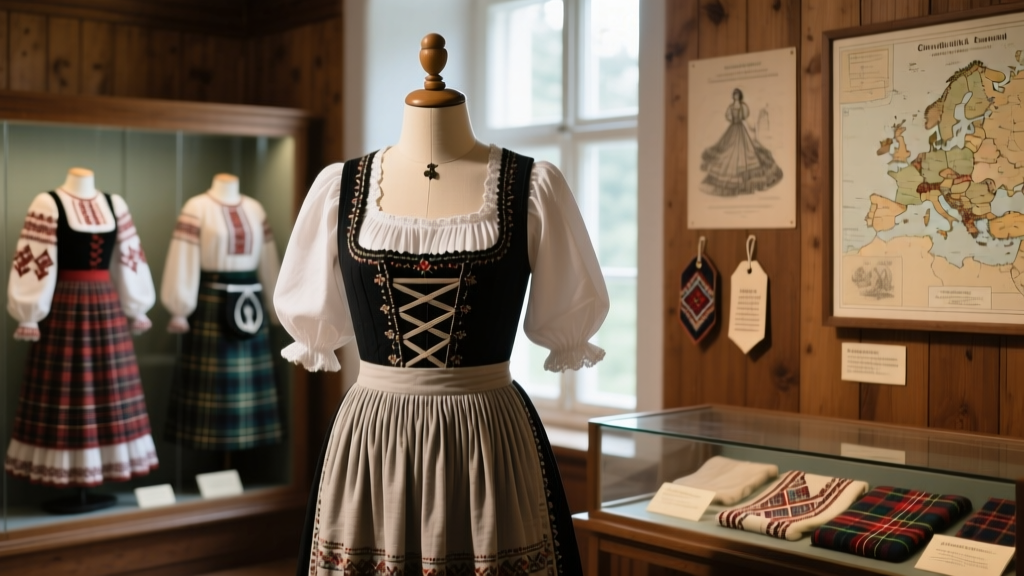
The Dirndl is arguably the most recognizable element of Bavarian style, yet it is frequently misunderstood and poorly assembled by commercial brands. A proper Dirndl is a sophisticated, multi-part ensemble that requires precise tailoring.
The Four Pillars of the Dirndl
- Das Mieder (The Bodice): The core of the dress. Authentic bodices are heavily structured, often featuring internal boning, and are made from wool, silk, or high-grade cotton. They fasten with silver hooks (Miederhaken), laces, or decorative buttons. The neckline is typically square or round, designed to frame the blouse.
- Der Rock (The Skirt): Traditionally, the skirt is gathered or pleated and attached directly to the bodice. According to cultural protocols documented by the Bavarian National Museum, an authentic Dirndl skirt must fall below the knee, ensuring modesty when seated. The modern "mini-Dirndl" is strictly a commercial invention.
- Die Schürze (The Apron): Never omitted, the apron is tied at the front. High-end aprons are crafted from raw silk, fine linen, or jacquard cotton, often featuring hand-rolled hems and intricate lace trims.
- Die Bluse (The Blouse): Worn underneath the bodice, the blouse is typically white cotton or silk. It should end precisely where the bodice begins, avoiding any awkward gaps or overlapping fabric.
The Apron Bow Code (Schleife)
The placement of the apron bow is a traditional, albeit unofficial, communication system regarding the wearer's relationship status. Beginners must adhere to this code to avoid awkward social encounters at a Bierzelt (beer tent):
- Bow on the Left: Single and available.
- Bow on the Right: Taken, married, or in a committed relationship.
- Bow in the Center: Traditionally indicated a maiden or virgin; today, it is often worn by young women who prefer not to disclose their status, or simply as a stylistic choice.
- Bow on the Back: The wearer is either a widow or a waitress working at the venue.
Regional Variations: From the Alps to Franconia
Bavaria is a massive state with distinct cultural zones, and the "Bavarian style" varies dramatically depending on the geography. When building a Tracht wardrobe, it is considered a faux pas to mix regional elements—for example, wearing a Franconian hat with an Upper Bavarian Lederhosen.
Upper Bavaria (Oberbayern): The epicenter of the Alpine Tracht most familiar to foreigners. The Miesbacher Tracht for men features grey or green jackets, dark blue Lederhosen, and the Scheibling (a round, brimmed velvet hat). Women wear richly colored silk Dirndls with intricate gold or silver thread embroidery.
Franconia (Franken): Located in northern Bavaria, Franconian Tracht is entirely non-Alpine. It is characterized by darker, more somber colors, heavy use of black and red, and distinct headwear for women, such as the Bamberger Hörnla or the elaborate Goldhaube (gold bonnet). Men's attire often includes long wool coats and knee-breeches made of heavy corduroy or wool, rather than leather.
Swabia (Schwaben): In the Bavarian Swabia region, the Tracht is heavily influenced by neighboring Baden-Württemberg, featuring distinct lace caps for women (Radhauben) and heavily embroidered waistcoats for men.
Investment Guide: Mass-Market vs. Master Artisan Pricing
Acquiring authentic Bavarian style is an investment in heritage craftsmanship. The table below outlines what beginners can expect when navigating the market, from entry-level festival wear to generational artisan pieces.
| Garment Category | Material & Construction | Price Range (EUR) | Longevity & Value |
|---|---|---|---|
| Festival Dirndl | Polyester blends, machine embroidery, glued seams, plastic hooks. | €60 - €150 | 1-2 seasons. Prone to tearing and fading. |
| Artisan Dirndl | 100% Silk, wool, or linen. Hand-stitched buttonholes, horn hooks, tailored bodice. | €600 - €2,500+ | Generations. Can be altered and passed down as an heirloom. |
| Commercial Lederhosen | Pigskin or cowhide split leather. Chrome-tanned, machine-stamped embroidery. | €150 - €350 | 5-10 years. Stiffens over time, less breathable. |
| Master Säckler Lederhosen | Brain-tanned Hirschleder or Rehleder. Hand-stitched waxed linen embroidery, horn buttons. | €900 - €3,500+ | Lifetime. Softens with age, fully washable, develops a unique patina. |
| Accessories (Charivari) | Silver chain with antique coins, animal teeth, or hunting trophies. | €250 - €1,500+ | Lifetime. Often accumulated over decades of hunting and family milestones. |
Wearing Etiquette and Cultural Respect
Adopting Bavarian style requires more than just purchasing the right garments; it demands an understanding of when and how to wear them. The official Oktoberfest archives and local festival organizers frequently publish guidelines to help visitors respect the culture.
Footwear is Non-Negotiable: Never pair a Dirndl with sneakers or stilettos. Women should wear traditional Trachtenschuhe (leather flats or low, sturdy heels with decorative buckles) or modest ankle boots. Men must wear Haferlschuhe—a distinct, heavy leather shoe with side lacing originally designed for traversing alpine terrain—paired with thick, calf-high wool socks (Wadenwärmer or Trachtenstutzen).
Headwear and Outerwear: For men, the hat is a vital component. The classic Tirolerhut or Miesbacher Hut is often adorned with a Gamsbart (a brush made from chamois hair) or eagle feathers. The size and quality of the Gamsbart historically indicated the wearer's wealth and hunting prowess. Women may wear a Trachtenhut or, in more formal church settings, a traditional bonnet or silk scarf (Tuch) pinned elegantly to the bodice.
Context Matters: While Tracht is celebrated at weddings, church holidays (like Erntedankfest), and folk festivals, it is not everyday streetwear in modern Munich. Furthermore, if you are attending a traditional Volksfest outside of Munich—such as the Gäubodenvolksfest in Straubing or the Cannstatter Wasen in neighboring Swabia—wearing hyper-commercialized "party" Tracht will immediately mark you as an outsider. Opting for subdued, high-quality Landhausmode or authentic regional Tracht demonstrates a profound respect for the local artisans and the centuries of history woven into every stitch of Bavarian style.