Bavarian Dress Men: A Beginner's Guide to Authentic Tracht

Beyond the Oktoberfest Stereotype: Understanding Männertracht
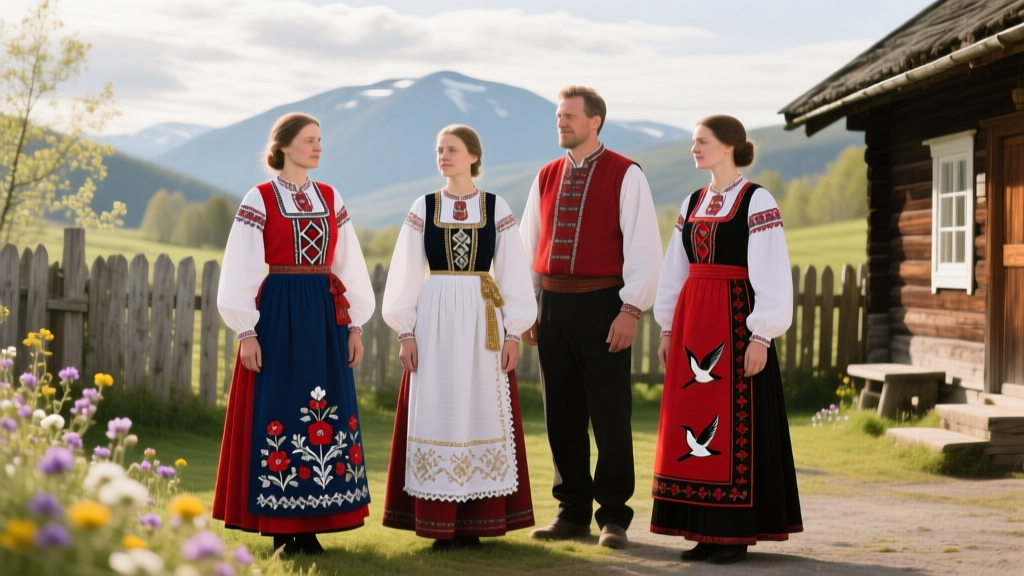
When searching for Bavarian dress men often encounter a sea of cheap, mass-produced polyester costumes designed for a single night at a beer tent. However, authentic Bavarian traditional clothing—known as Tracht (plural: Trachten)—is a living, breathing cultural institution. Unlike a Kostüm (costume), which is meant for theatrical play, Tracht is formal, regional attire worn with immense pride at weddings, church services, folk festivals, and family gatherings across Bavaria, Austria, and South Tyrol.
For the beginner, stepping into the world of Männertracht (men's traditional dress) can be intimidating. The rules are unwritten but strictly observed by locals, and the craftsmanship involved in authentic garments is staggering. This guide will deconstruct the anatomy of authentic Bavarian menswear, helping you distinguish between tourist traps and genuine heritage garments.
The Anatomy of Authentic Bavarian Dress for Men
A complete Trachtenanzug (Tracht suit) is a modular system of garments, each with a specific historical and functional purpose. Let us break down the essential components from the ground up.
Lederhosen: The Leather Foundation
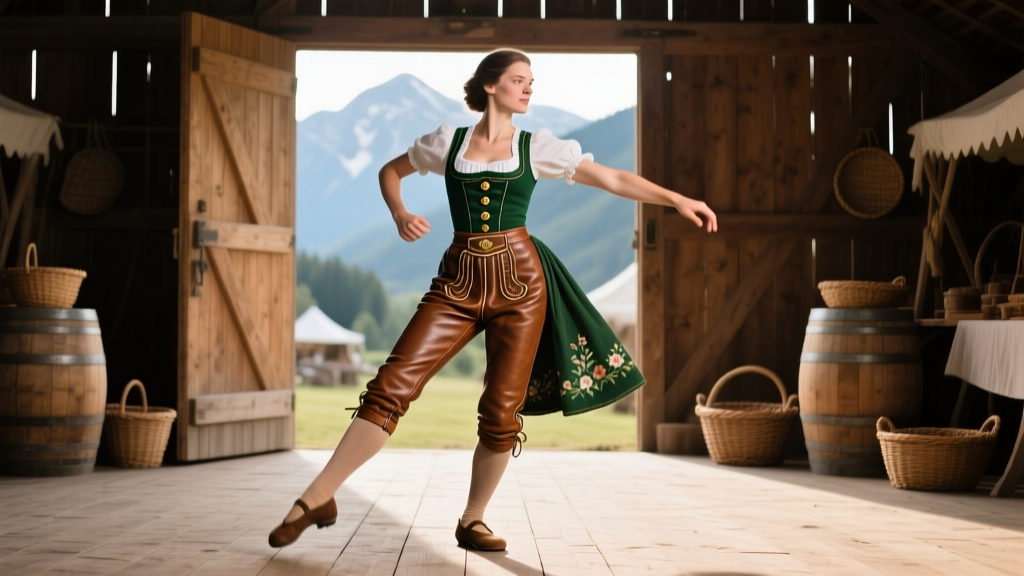
The most globally recognized element of Bavarian dress is the Lederhose (leather breeches). Authentic Lederhosen are not merely leather pants; they are masterworks of traditional saddlery and tailoring. There are three primary lengths:
- Kurze Lederhose: Short breeches ending above the knee. Traditionally worn by hunters and foresters, they require specific calf-warming socks called Loferl.
- Kniebundhose: Knee-length breeches that tie or button just below the knee. This is the most versatile and common style for formal events and weddings.
- Lange Lederhose (Bundhose): Ankle-length leather trousers, historically worn by farmers and laborers in alpine regions during harsh winters.
Construction and Material: True Bavarian Lederhosen are crafted using the Säcklernaht (saddle stitch), a specialized raised seam that allows the leather to stretch and mold to the wearer's body over time. The finest pairs are made from Hirschleder (deerskin) or Gamsleder (chamois), which are tanned using traditional fats and oils, resulting in a buttery, breathable, and incredibly durable leather. The front features a Latze (drop-front flap) secured by horn or antler buttons, and the right thigh includes a Messertasche (knife pocket).
The Upper Half: Hemd, Gilet, and Joppe
The shirt, or Trachtenhemd, is typically made of high-quality linen or cotton. While the classic white linen shirt with horn buttons is the most formal, checkered patterns (Karohemd) in blue, green, or red are highly popular for casual and semi-formal wear. The shirt is worn with the top button undone, without a tie.
Over the shirt, men wear a Gilet (vest). The Gilet is the focal point of the upper body, often crafted from fine wool, silk, or brocade, and fastened with silver or horn buttons. For cooler weather or more formal outdoor events, a Joppe (a tailored jacket made of Loden, a dense, water-resistant sheep's wool) is layered over the Gilet.
Footwear and Accessories: Haferlschuhe and Charivari
Sneakers or modern dress shoes are a cardinal sin in Tracht. The correct footwear is the Haferlschuh. Originally an alpine work shoe, the Haferlschuh features a distinctive side-lacing system (though front-lacing variants exist today) and a thick, double-stacked sole for grip on mountainous terrain. They are paired with thick wool socks (Trachtenstutzen) or, for short Lederhosen, the Loferl—a two-piece set consisting of a foot sock and a separate calf band.
The ultimate status symbol in men's Tracht is the Charivari. This is a heavy silver chain draped across the Latze of the Lederhosen, adorned with silver coins, animal teeth, antlers, or hunting talismans. Historically, it served as a hunter's trophy chain and a form of portable wealth.
Regional Variations: A Guide to Local Styles
Bavaria is not a monolith; it is a tapestry of distinct cultural regions. The Trachtenkulturzentrum Bezirk Oberbayern (Upper Bavaria Tracht Culture Center) actively preserves and documents these micro-regional differences. Wearing the Tracht of a specific region implies a connection to that area, so it is vital to understand the distinctions.
| Regional Style | Defining Characteristics | Typical Color Palette | Best Suited For |
|---|---|---|---|
| Miesbacher Tracht | Considered the 'classic' Bavarian look. Features intricate white-on-white embroidery (Weißstickerei) and a distinctive blue jacket. | Navy blue, grey, white, forest green. | Formal events, weddings, Oktoberfest. |
| Werdenfelser Tracht | Originating around Garmisch-Partenkirchen. Known for heavier Loden fabrics, unique hat shapes, and darker, more muted embroidery. | Charcoal, deep brown, olive green. | Winter events, hunting gatherings, alpine festivals. |
| Berchtesgadener Tracht | Highly ornate, featuring elaborate floral embroidery (edelweiss and gentian) and unique silver buttonwork on the Gilet. | Light grey, sky blue, vibrant floral accents. | Cultural festivals, church holidays, summer events. |
A Beginner’s Buying Guide: Investing in Real Tracht
Authentic Tracht is an investment. According to historical garment archives at the Bayerisches Nationalmuseum, traditional Tracht was historically passed down through generations due to its high cost and durability. Today, a genuine outfit remains a significant financial commitment, but it is designed to last a lifetime.
Price Ranges and What to Expect
- Authentic Lederhosen (Hirschleder): €450 – €1,200+. Avoid anything under €250, as it is likely sheepskin (Schafsleder) mass-produced in South Asia, which lacks breathability and will crack over time.
- Trachtenhemd (Linen): €60 – €150. Look for natural fibers; synthetic blends will cause overheating.
- Gilet (Wool/Silk): €120 – €350. Bespoke options with hand-stitched lapels will sit at the higher end.
- Haferlschuhe: €150 – €300. Hand-cobbled leather shoes from Bavarian or Austrian shoemakers.
- Trachtenhut with Gamsbart: €100 – €400+. The Gamsbart (chamois beard) is tied by hand; the price scales exponentially with the number of hairs and the quality of the dorsal hair used.
Beginner Tip: Avoid shops immediately surrounding Munich’s Hauptbahnhof (central station) or the immediate perimeter of the Oktoberfest grounds. Instead, seek out established Trachtenmode boutiques in neighborhoods like Schwabing, or order directly from heritage manufacturers such as Meindl, Krüger, or smaller regional Säcklermeister (master leatherworkers).
Wearing Etiquette: Cultural Protocols for Men
Wearing Tracht commands respect, but it also requires adherence to specific etiquette. Failing to observe these unwritten rules will immediately mark you as an outsider.
The Rules of the Hat
The Trachtenhut is never worn indoors. When entering a church, a private home, or a formal dining room, the hat must be removed. However, in a traditional beer tent or a casual outdoor beer garden, it may remain on the head. The hat is tilted slightly forward and to the right for a rakish, traditional look.
Suspenders and the Latze
Lederhosen are held up by Hosenträger (suspenders). These are typically worn in an 'H' or 'Y' formation across the chest. When wearing the Latze (front flap), ensure the suspenders are buttoned correctly to the leather loops. It is considered highly inappropriate to wear Lederhosen with a modern leather belt; the suspenders are a mandatory structural and aesthetic component.
The Charivari Protocol
If you wear a Charivari, it should be draped over the Latze of the Lederhosen, not the waistband of modern trousers. It is traditionally a gift from a father to a son, or earned through hunting milestones, so wearing a cheap, mass-produced aluminum replica is frowned upon by purists. If you cannot afford a solid silver and authentic horn Charivari, it is better to omit it entirely than to wear a fake one.
"Tracht is not a disguise; it is an expression of regional identity and a connection to the alpine landscape. When a man puts on his Lederhosen, he is stepping into a continuum of craftsmanship that stretches back centuries."
— Curatorial Department, Bayerisches Nationalmuseum, Munich
Final Thoughts on Embracing the Tradition
Navigating the world of Bavarian dress men wear requires patience, an appreciation for artisanal craftsmanship, and a respect for cultural boundaries. By investing in genuine materials like Hirschleder and Loden, and by understanding the regional nuances of the Miesbacher or Werdenfelser styles, you transition from wearing a costume to honoring a heritage. Whether you are attending a traditional Gaufest (folk festival) or simply raising a Maß at the Wiesn, wearing authentic Tracht is a profound way to participate in one of Europe's most vibrant living traditions.