Bavarian Dirndl: Modern Styling Tips 2026

The Dirndl: From Alpine Farm to Fashion Runway
The dirndl — Bavaria and Austria's beloved traditional dress — has evolved from a practical Alpine farm garment into a sophisticated fashion statement worn at Oktoberfest, weddings, and even corporate events. Understanding its components and styling rules ensures you wear it with authenticity and confidence.
Anatomy of a Dirndl
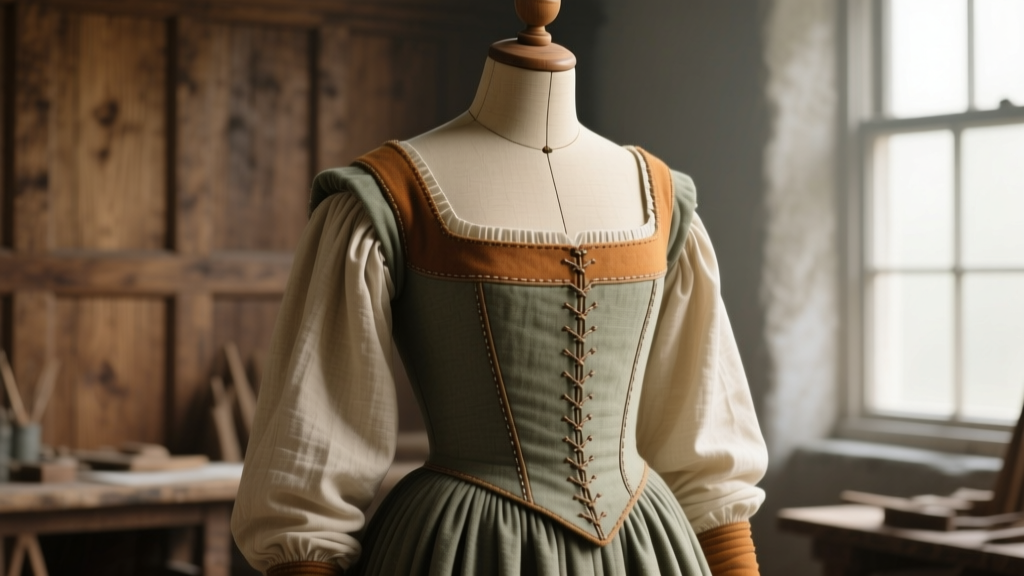
- Bodice (Mieder): Fitted, often boned, with front lacing, hooks, or buttons. Creates the distinctive silhouette.
- Blouse (Dirndlbluse): White cotton or linen, worn underneath. Necklines range from modest round to daring sweetheart.
- Skirt (Rock: Full, gathered, knee-to-midi length. Traditionally in cotton or wool; modern versions use satin or taffeta.
- Apron (Schürze): The most rule-laden element — its bow position signals relationship status (see below).
The Apron Bow Code
This is the dirndl's most famous cultural signal:
- Bow on the left: Single and available
- Bow on the right: Taken, married, or in a relationship
- Bow in the center front: Virgin (traditional) or "it's complicated" (modern)
- Bow in the center back: Widowed or working (waitresses)
2026 Styling Trends
Modern dirndl fashion embraces bold color blocking, unexpected fabric pairings (leather bodice with chiffon skirt), and minimalist accessories. Designers like Lola Paltinger and Dirndl Couture are pushing boundaries with asymmetrical hemlines and metallic brocades. For a contemporary look, pair a midi dirndl with ankle boots rather than traditional Haferl shoes.
Buying Guide
Budget dirndls (€50–100) use polyester blends and machine embroidery. Mid-range (€150–300) offer cotton or linen with hand-stitched details. Premium dirndls (€500+) feature silk brocade, hand-embroidered bodices, and custom tailoring. Brands to explore: Angermaier, Krüger Dirndl, and Trachtenmoden Gössl.