Bavarian Dirndl: Evolution and History
The Dirndl: From Farm to Fashion
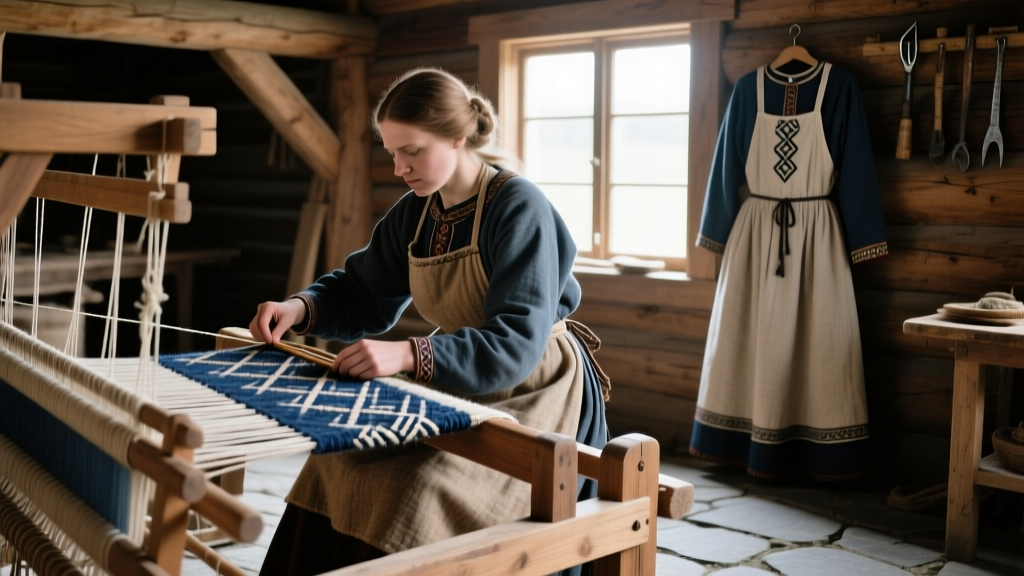
The dirndl is the traditional dress of Bavaria and Austria, consisting of a bodice, blouse, full skirt, and apron. What began as rural working dress has become one of Europe's most recognized folk costumes.
Historical Development
The dirndl evolved from the working dress of Alpine dairy maids in the 16th-18th centuries. During the 19th century, it was adopted by the urban upper classes as fashionable "country dress." The Habsburg court popularized it as a symbol of Austrian identity.
Apron Bow Code
The way the apron bow is tied communicates relationship status: left side means single and available, right side means married or taken, center front means virgin, and center back means widowed. This code is widely understood across Bavaria and Austria.
Modern Dirndl
Today, dirndls range from simple cotton everyday versions to elaborate silk and brocade formal pieces costing thousands of euros. Oktoberfest has driven global interest, with dirndl fashion shows becoming major events.
- Worn daily by some rural Bavarian and Austrian women
- Oktoberfest dirndls are a major fashion market
- Modern designers create "designer dirndl" collections annually