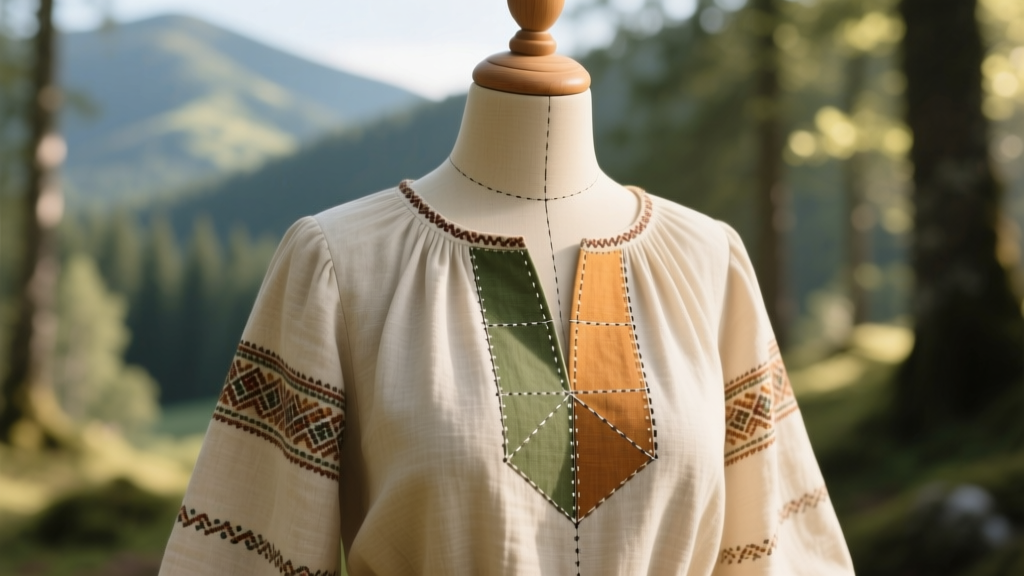
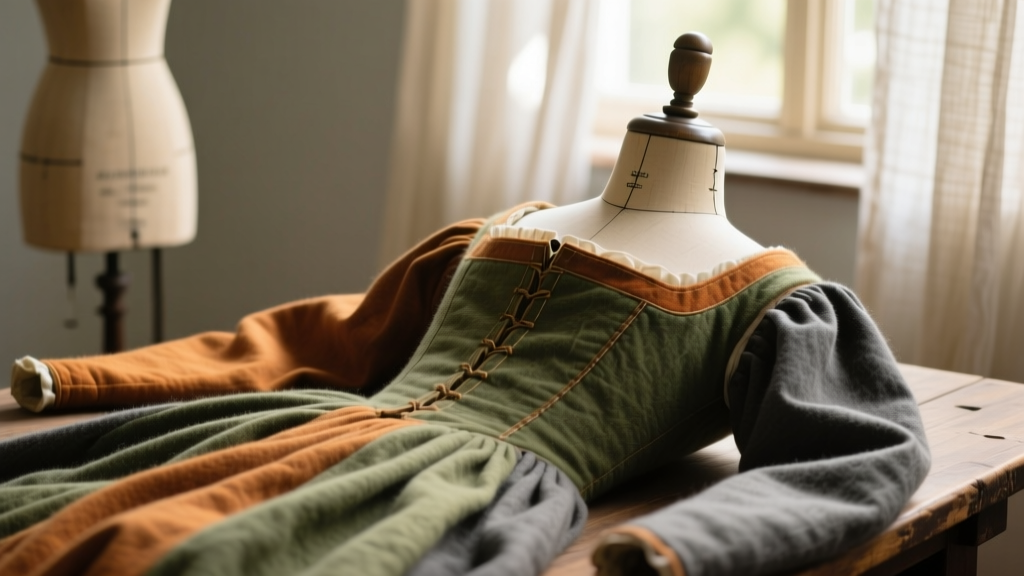
Care Tips for Authentic Bavarian Attire

The Investment of Authentic Tracht: Beyond Fast Fashion
Investing in authentic Bavarian attire is an investment in wearable heritage. Unlike the mass-produced, synthetic costumes sold in tourist shops around Oktoberfest, genuine Tracht is crafted from premium natural materials and meticulous artisanal labor. A high-quality, custom-fitted Dirndl from a traditional atelier typically ranges from €400 to €2,500, while hand-embroidered Lederhosen crafted by a master Säckler (leatherworker) can command prices between €800 and €3,500 or more. Because these garments are often designed to be passed down through generations as family heirlooms, understanding the specific care and preservation protocols for Bavarian attire is essential.
According to the Trachteninformationszentrum (TIZ) in Benediktbeuern, the leading research center for Bavarian folk dress, the degradation of historical garments is most often caused by improper washing and poor storage environments rather than natural wear and tear. This guide provides a comprehensive, material-specific framework for maintaining your Bavarian attire, ensuring it remains culturally accurate and structurally sound for decades.
Dirndl Preservation: Navigating Mixed Textiles
A traditional Dirndl is not a single garment, but an ensemble consisting of the Bluse (blouse), Rock (skirt), Mieder (bodice), and Schürze (apron). Each component is constructed from different fibers, requiring entirely distinct cleaning methodologies.
The Bluse and Rock: Cotton and Linen Care
The Dirndl blouse, typically crafted from high-thread-count cotton, batiste, or fine linen, sits directly against the skin and absorbs perspiration. While it is the most frequently washed component, harsh detergents will degrade the delicate lace and pintuck details.
- Washing: Machine wash on a delicate cycle at a maximum of 30°C (86°F) using a pH-neutral liquid detergent. Never use bleach or optical brighteners, as they will yellow the natural fibers over time.
- Drying: Air dry flat or hang on a padded hanger. Avoid direct sunlight, which weakens cotton fibers and causes yellowing in white linen.
- Ironing: Iron while slightly damp on a medium-high setting. For blouses with intricate lace collars, place a clean cotton pressing cloth over the lace to prevent the iron from melting or scorching the delicate threads.
The Mieder and Schürze: Silk, Brocade, and Velvet
The Mieder (bodice) and Schürze (apron) are the showpieces of Bavarian attire, frequently woven from silk brocade, taffeta, or velvet. These garments are heavily structured and often feature Miederhaken (silver or horn bodice hooks) and intricate silk lacing.
Cultural Note: The Bayerisches Nationalmuseum in Munich houses centuries-old bodices that retain their structural integrity precisely because they were never subjected to water-based washing. Water destroys the internal stiffening and causes silk dyes to bleed.
- Cleaning: Never machine wash or hand wash the Mieder or silk Schürze. Spot clean minor stains with a barely damp microfiber cloth and a specialized silk cleaner. For comprehensive cleaning, take the garments to a dry cleaner who specializes in Trachten and bridal wear, explicitly pointing out any metallic threads or horn buttons that may react poorly to standard perc (perchloroethylene) chemicals.
- Wrinkle Removal: Use a handheld garment steamer held at least six inches away from the fabric. Direct contact with a hot iron will instantly crush silk velvet and melt synthetic brocade blends.
Lederhosen Longevity: The Art of the Speckig Patina
Authentic Lederhosen are crafted from Hirschleder (deer leather) or Gamsleder (chamois leather). These leathers are traditionally tanned using fats and oils (a process known as Sämischgerbung), making them incredibly supple, breathable, and resistant to the elements. The cultural ideal for Lederhosen is a state known as speckig—a dark, shiny, and highly supple patina developed through years of wear, exposure to natural oils, and environmental elements.
The Golden Rule: Avoid Water and Standard Leather Cleaners
Standard commercial leather cleaners and saddle soaps will strip the natural oils from Hirschleder, leaving it stiff, brittle, and pale. Furthermore, the intricate floral and hunter motifs embroidered on the Latze (front flap) and Hosenträger (suspenders) are often stitched with natural silk thread, which will bleed and ruin the leather if submerged in water.
- Routine Maintenance: After wearing, brush the Lederhosen with a soft-bristled horsehair brush to remove dust and dried mud. Allow them to air out in a well-ventilated, shaded area.
- Conditioning: Once a year, or if the leather feels dry to the touch, treat the garment with Hirschtalg (purified deer tallow) or a high-quality, uncolored leather grease specifically formulated for Trachtenleder. Apply sparingly with your hands, massaging it into the leather, and let it rest in a warm room for 24 hours to absorb.
- Stain Management: For oil or food stains, immediately apply a generous mound of cornstarch or talcum powder to draw out the lipid. Leave it for 48 hours, then brush it away. Do not rub the stain, as this drives it deeper into the porous leather.
Accessories and Hardware: Haferlschuhe, Horn, and Silver
The details of Bavarian attire require just as much attention as the primary garments. Haferlschuhe (traditional side-laced or front-laced alpine shoes) are typically made of calfskin or suede. Keep them stuffed with cedar shoe trees when not in use to maintain their shape and absorb moisture. Treat the soles with beeswax to waterproof them against alpine dampness.
Silver jewelry, such as the Kropfkette (choker necklace) or silver Charivari (hunter's chain worn on Lederhosen), will naturally tarnish due to sulfur in the air and skin acids. Clean these pieces using a specialized silver polishing cloth. Avoid liquid silver dips, which can strip the intentional oxidization (antiquing) in the crevices of the cast silver motifs.
Seasonal Storage Framework for Trachten
Proper off-season storage is critical. The Bayerischer Trachtenverband advises against storing traditional garments in plastic bags, which trap moisture and emit off-gassing chemicals that degrade natural fibers and leathers. Use breathable cotton garment bags instead.
| Garment Component | Primary Material | Cleaning Method Before Storage | Ideal Storage Temp | Humidity Level |
|---|---|---|---|---|
| Dirndl Bluse | Cotton / Linen | Machine wash cold, air dry | 15°C - 20°C | 40% - 50% |
| Mieder (Bodice) | Silk / Brocade | Specialist dry clean only | 15°C - 20°C | 40% - 50% |
| Schürze (Apron) | Silk / Taffeta | Steam lightly, spot clean | 15°C - 20°C | 40% - 50% |
| Lederhosen | Hirschleder (Deer) | Brush, apply Hirschtalg | 10°C - 15°C | 50% - 60% |
| Haferlschuhe | Calfskin / Suede | Brush, wax soles, shoe trees | 15°C - 20°C | 40% - 50% |
Moth Prevention for Wool and Felt
Traditional Trachtenjanker (wool jackets) and Trachtenhut (felt hats) are highly susceptible to clothes moths. Never use chemical mothballs, as the toxic odor will permanently embed itself into the wool and leather. Instead, use bundles of dried lavender, cedar wood blocks, and sweetgrass. Brush wool jackets vigorously before storing to dislodge any microscopic moth eggs that may have attached during outdoor wear.
When to Seek Professional Trachten Restoration
While diligent home care will preserve your Bavarian attire for years, certain situations require the intervention of a master artisan. If the silk embroidery on your Lederhosen begins to fray, if the internal boning of a vintage Mieder snaps, or if Hirschleder develops deep, structural cracks, do not attempt DIY repairs. Standard tailors and cobblers often lack the specialized materials and historical knowledge required to work with Tracht. Seek out certified Säckler and Trachtenschneider (traditional garment makers) who understand the regional nuances—from the specific stitch patterns of Miesbach to the distinct velvet lapels of Berchtesgaden—and can restore your garments with cultural and historical accuracy.