Authentic Female Lederhosen: Beginner Guide to Women's Tracht
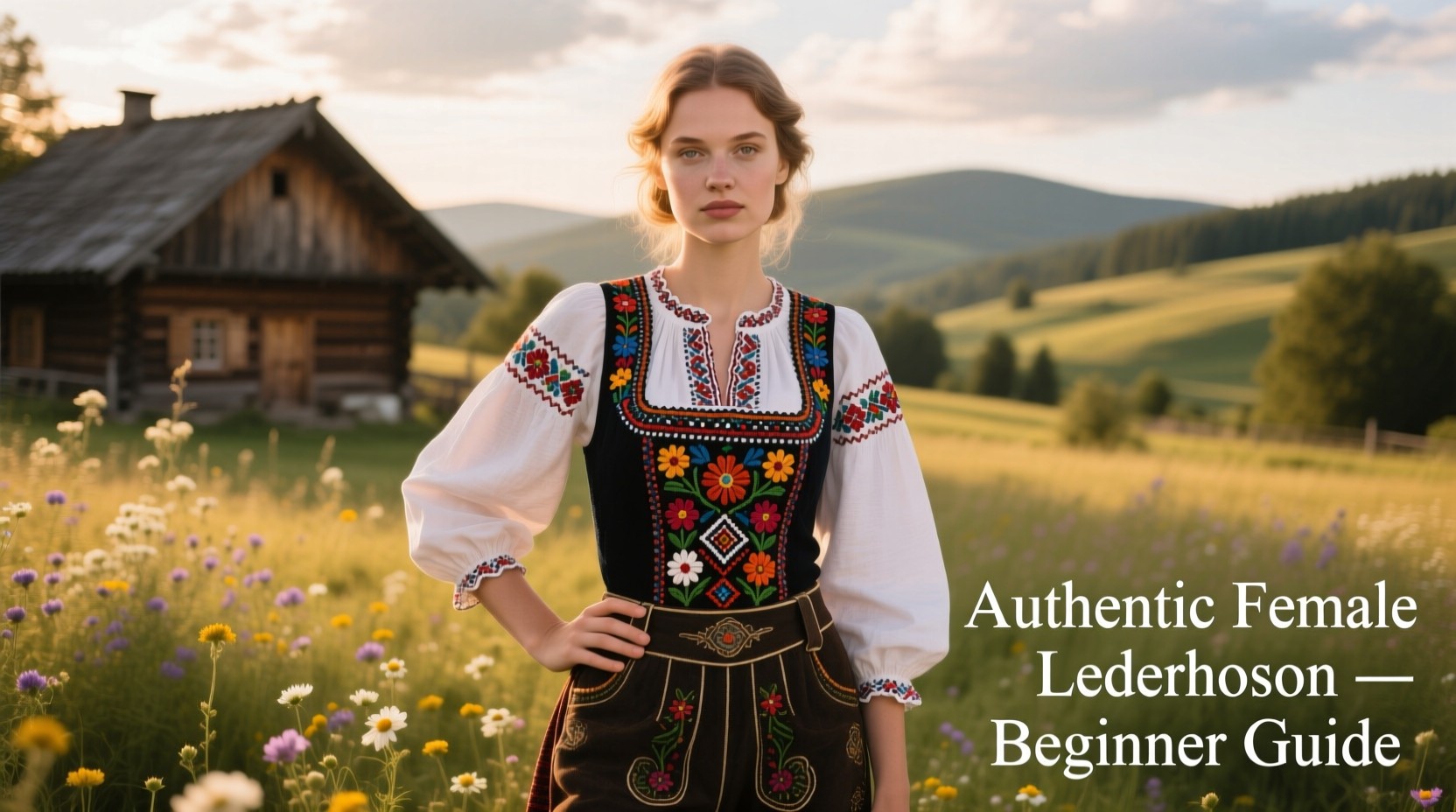
When exploring traditional Alpine clothing, the dirndl often dominates the conversation regarding women's attire. However, the search for lederhosen female authentic styles reveals a rich, evolving narrative within Bavarian and Austrian Tracht (traditional dress). Far from the cheap, hyper-sexualized costumes sold to tourists at Oktoberfest, authentic Damenlederhosen (women's leather breeches) are a testament to Alpine heritage, master craftsmanship, and the rugged outdoor lifestyle. This beginner's guide will help you navigate the history, construction, and proper styling of women's authentic leather trousers.
The Evolution of Women in Alpine Leather: Beyond the Dirndl
Historically, Lederhosen were strictly male workwear, designed for the harsh conditions of forestry, hunting, and farming in the Alps. Women traditionally wore skirts and dirndls. However, as the 20th century progressed, the rigid gender boundaries of Alpine clothing began to shift. By the 1970s and 1980s, women in rural Bavarian and Tyrolean communities increasingly adopted leather trousers for practical outdoor activities such as hiking, equestrian sports, and hunting.
Today, the Bayerischer Trachtenverband (Bavarian Costume Association) and various regional Trachtenvereine (costume clubs) recognize well-crafted female lederhosen as an acceptable, authentic component of modern Tracht for specific outdoor, equestrian, and casual alpine settings. Wearing them is not about cross-dressing or making a fashion statement; it is about embracing the functional, rugged heritage of the Alpine environment.
Decoding Authentic Female Lederhosen: Construction and Fit
The Role of the Säckler and Leather Selection
Authentic lederhosen are crafted by a master leatherworker known as a Säckler. The most prized material is Hirschleder (deer leather) or Wildbock (wild goat leather). These hides are exceptionally soft, breathable, and durable. The traditional tanning method is Sämischgerbung (oil or brain tanning), a labor-intensive process using natural fish oils and smoke. This gives the leather its distinctive suede-like finish, earthy scent, and unique ability to mold to the wearer's body over time. According to archives at the Tiroler Volkskunstmuseum, this specific tanning technique has been utilized in the Tyrolean and Bavarian Alps for centuries to ensure the leather remains supple even after exposure to rain and snow.
Cut, Silhouette, and Embroidery (Stickerei)
While men's lederhosen feature the iconic Latzen (a buttoned drop-front flap) and a bulky front pouch, authentic female lederhosen are tailored differently to accommodate female anatomy. Women's styles typically feature a higher rise, a tapered leg, and a contoured waistband. Many authentic Damenlederhosen replace the traditional drop-front with a discreet side-zipper or a simplified, smooth front panel, though some traditionalists still opt for the classic Latzen.
The embroidery, or Stickerei, is another hallmark of authenticity. Hand-stitched using silk or linen thread, the motifs are deeply symbolic. You will frequently see Eichenlaub (oak leaves) representing strength, Edelweiss symbolizing alpine purity, and Alpenrosen (alpine roses). The embroidery on women's breeches is often slightly more delicate and intricate than the bold, heavy stitching found on men's workwear.
How to Style Damenlederhosen with Cultural Respect
Styling authentic female lederhosen requires an understanding of Alpine layering and practical elegance. To avoid looking like you are wearing a carnival costume, pair your breeches with traditional, high-quality garments:
- Trachtenbluse (Traditional Blouse): Opt for a high-necked or modest V-neck blouse made of linen or fine cotton. Avoid sheer fabrics or excessive ruffles.
- Janker (Wool Jacket): A tailored Janker made of boiled wool (Walkloden) in forest green, charcoal, or navy blue adds warmth and structural elegance to the outfit.
- Footwear: Authentic leather Haferlschuhe (traditional side-laced alpine shoes) are ideal. Alternatively, knee-high suede Trachtenstiefel (alpine boots) or sturdy leather loafers are perfectly acceptable.
- Accessories: A silk neckerchief (Halstuch) tied at the neck, fine wool socks (Strümpfe), and optionally a felt fedora adorned with a Gamsbart (chamois beard) or feather.
Authentic Female Lederhosen vs. Fast Fashion Costumes
One of the most critical steps for beginners is distinguishing between genuine Alpine Tracht and mass-produced fast fashion. The Bayerisches Nationalmuseum frequently highlights the importance of preserving traditional textile crafts against the influx of cheap imports. Use this comparison chart to guide your purchasing decisions:
| Feature | Authentic Damenlederhosen | Fast Fashion / Costume |
|---|---|---|
| Material | 100% Hirschleder (deer) or Wildbock (goat) | Pigskin, cowhide, or synthetic PU leather |
| Tanning | Traditional Sämischgerbung (oil/smoke tanned) | Chrome-tanned (stiff, chemical smell) |
| Embroidery | Hand-stitched silk/linen thread, regional motifs | Machine-embroidered polyester, generic patterns |
| Hardware | Carved horn, bone, or cast metal buttons | Plastic buttons, cheap metal snaps |
| Suspenders | Matching leather, adjustable, hand-tooled | Flimsy elastic, clip-on attachments |
Pricing Guide: Investing in Genuine Alpine Tracht
Authentic lederhosen are an investment in wearable art. Because of the intensive labor required by a master Säckler, prices reflect the heritage and quality of the garment. Expect to encounter the following price tiers in the European market:
- Entry-Level Authentic (€250 - €450): Usually made from high-quality sheepskin or basic deer leather. Machine-assisted embroidery with some hand-finishing. Excellent for beginners attending their first traditional alpine events.
- Mid-Tier Heritage (€500 - €850): Premium Hirschleder with full hand-embroidery (Handstickerei). These are produced by established heritage brands in Bavaria and Austria and will last a lifetime with proper care.
- Bespoke / Maßgeschneidert (€1,000 - €2,500+): Custom-made by a master Säckler. Includes personalized measurements, bespoke embroidery patterns (such as family crests or specific regional flora), and traditional brain-tanning. This is the pinnacle of Alpine dress.
Where to Source Authentic Pieces: Artisans and Heritage Brands
To find authentic female lederhosen, you must look beyond tourist shops in Munich or Salzburg. Seek out specialized Trachten boutiques in regions known for their leatherworking heritage, such as Miesbach, Berchtesgaden, or the Tyrolean valleys. Reputable heritage brands like Meindl, Krüger, and local artisan cooperatives offer dedicated Damenlederhosen collections that adhere to strict cultural guidelines.
When shopping online, scrutinize the product descriptions for keywords like Echt Hirschleder (genuine deer leather) and Säcklerarbeit (leatherworker's craft). If a pair of leather trousers is priced under €150, it is almost certainly a mass-produced costume rather than authentic Tracht.
"Tracht is not a static museum piece; it is a living expression of our alpine identity. When women wear authentically crafted Lederhosen, they are honoring the functional history of our mountains and the enduring skill of our Säckler masters." — Archival notes on modern Tracht evolution, Bayerisches Nationalmuseum.
By understanding the construction, history, and proper styling of authentic female lederhosen, you can confidently participate in Alpine culture. Whether you are attending a rural Schützenfest (marksmen's festival), hiking in the Dolomites, or celebrating a traditional Bavarian wedding, a genuine pair of Damenlederhosen will connect you deeply to the enduring spirit of the Alps.