Austrian Lederhosen Modern vs Classic

The Living Heritage of Alpine Leather
When discussing traditional European workwear that has successfully transitioned into a celebrated cultural symbol, few garments command as much respect—and misunderstanding—as Austrian lederhosen. While global pop culture often reduces this iconic garment to a caricature associated with beer halls and tourist shops, authentic Austrian leather breeches represent a profound lineage of alpine craftsmanship, regional identity, and sartorial engineering. As we navigate the alpine fashion landscape in 2026, a distinct divergence has emerged between mass-produced 'Trachtenmode' (fashion tracht) and authentic, artisan-crafted 'Tracht'.
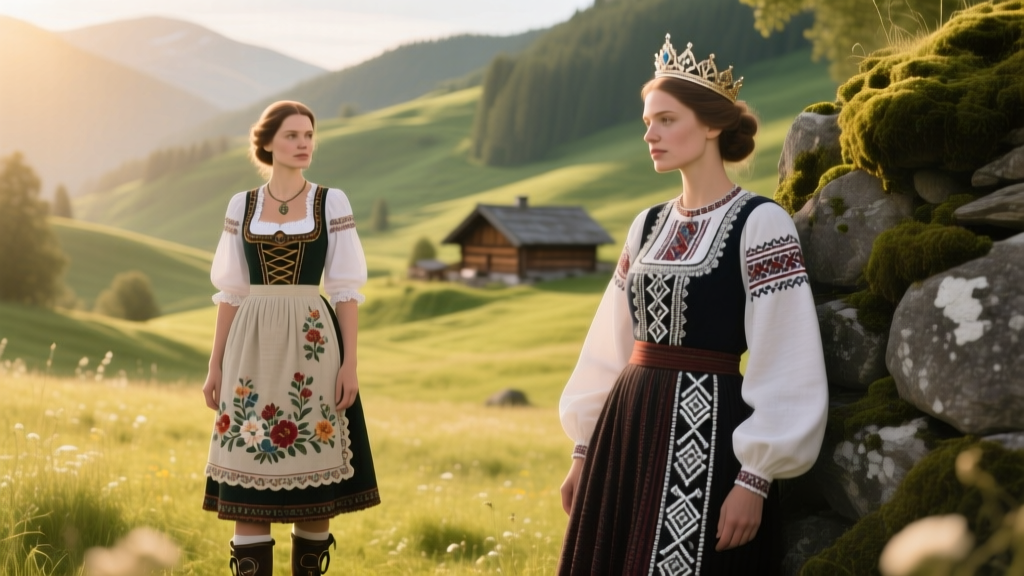
Understanding the nuances of Austrian lederhosen requires looking past the Bavarian-centric stereotypes often seen at Oktoberfest. Austrian alpine dress is deeply tied to specific valleys, states (Bundesländer), and historical guilds. Whether you are investing in a bespoke pair for a traditional wedding in the Salzkammergut or seeking a contemporary alpine-inspired look for urban wear, distinguishing between modern styling and traditional protocols is essential for cultural respect and sartorial excellence.
Deconstructing Authentic Austrian Lederhosen
The term 'Lederhosen' is plural; a single pair is a 'Lederhose'. However, the true hallmark of Austrian authenticity lies not in the name, but in the painstaking construction methods that have been preserved by artisan cooperatives and rural families for centuries.
The Tanning Process: Sämischgare vs. Chrome Tanning
The soul of a traditional Austrian lederhose is the leather. Authentic pairs are crafted using Sämischgare, an ancient, labor-intensive brain-and-fish-oil tanning method. According to the archives at the Österreichisches Museum für Volkskunde, this technique breaks down the leather fibers to create a material that is exceptionally soft, breathable, and entirely washable. A Sämischgare deerskin (Hirschleder) or chamois (Gamsbock) pair will mold to the wearer's body over time, developing a rich, personalized patina.
Conversely, modern, mass-produced alternatives rely on chrome tanning. Chrome-tanned cowhide is stiff, retains a chemical odor, cannot be washed without ruining the finish, and will crack along the seams after minimal wear. In 2026, as sustainability becomes a priority in European fashion, a return to eco-friendly, traditional vegetable and oil tanning is highly prized among discerning buyers.
The Latze and Hosenträger: Functional Art
The Latze is the iconic front drop-flap of the lederhose, fastened by two horn or antler buttons. Historically, this flap provided an extra layer of warmth and protection for hunters and woodsmen navigating dense alpine underbrush. Today, the Latze serves as the primary canvas for regional embroidery (Stickerei). The Hosenträger (suspenders) are equally vital; traditional Austrian suspenders are often wider than their Bavarian counterparts and feature a cross-brace at the back, heavily embroidered with alpine flora like edelweiss, gentian, and alpine roses.
Styling Matrix: Traditional vs. Contemporary Alpine Wear
Styling Austrian lederhosen today requires an understanding of context. Wearing full traditional regalia to a casual village festival may feel overdressed, while wearing modern fashion-tracht to a formal Schützenfest (marksmen's festival) can be viewed as disrespectful. Below is a comparative guide to navigating these two distinct styling paradigms.
| Garment Element | Traditional Styling (Authentic Tracht) | Modern Styling (Alpine Fashion / Trachtenmode) |
|---|---|---|
| Leather & Cut | Knee-length, Sämischgare Hirschleder, muted natural browns or grey-greens. Hand-stitched. | Shorter cuts, dyed cowhide or suede, distressed finishes, bold colors (black, dark navy). |
| Shirts | Pfoad: Hand-woven, unbleached linen or subtle checked cotton. Collarless or modest spread. | Flannel shirts, modern polo shirts, or slim-fit chambray. Often worn unbuttoned casually. |
| Footwear | Haferlschuhe: Traditional alpine lace-up shoes with side-lacing, worn with thick wool socks. | Modern hiking boots, Chelsea boots, or clean leather sneakers for an urban-alpine fusion. |
| Jackets & Layers | Lodenjacke: Boiled wool jackets in moss green or grey, featuring horn buttons and lapels. | Quilted gilets, modern merino wool cardigans, or tailored tweed sports coats. |
| Accessories | Felt hat with Gamsbart (chamois hair brush), silk neckerchief (Seidentuch), deer-antler knife. | Minimalist leather belts, modern wool fedoras, or no hat at all for indoor/city settings. |
Regional Variations: From Tyrol to the Salzkammergut
Austria's topography has historically isolated its valleys, leading to highly specific regional variations in lederhosen styling. The experts at the Tiroler Volkskunstmuseum emphasize that embroidery motifs act as a geographic identifier, much like a tartan in Scotland.
- Salzburger Tracht: Characterized by light to medium brown deerskin and intricate, raised floral embroidery in green and yellow threads. The cut is typically a classic knee-breech.
- Ausseer Tracht (Salzkammergut):strong> Highly distinct, often featuring a specific grey-green leather tone. The embroidery is more geometric and restrained. This style is traditionally paired with a specific pink or ice-blue linen shirt, a hallmark of the Ausseer region.
- Steirer (Styrian) Tracht: Styrian lederhosen often feature darker, robust leathers and incorporate hunting motifs, such as oak leaves and acorns, reflecting the region's deep hunting traditions. They are frequently worn with a wide, ornate leather belt known as a Ranzen.
2026 Buying Guide: Price Tiers and Artisan Makers
Investing in Austrian lederhosen is an exercise in 'buy it for life' philosophy. However, the market is flooded with imported imitations. Here is a realistic breakdown of what to expect when shopping in 2026, priced in Euros (€).
Tier 1: Tourist & Costume Grade (€60 - €150)
Mass-produced in South Asia using chrome-tanned cowhide or pigskin. Embroidery is machine-done with synthetic threads. The leather is stiff, and the hardware is often plastic or cheap alloy. Verdict: Avoid entirely if you are attending a genuine Austrian cultural event.
Tier 2: Mid-Market Trachtenmode (€250 - €500)
Often produced by well-known commercial alpine fashion brands. These use better quality European cowhide or suede, sometimes with partial Sämischgare treatment. Embroidery is a mix of machine and hand-finishing. Verdict: Excellent for modern styling, casual Oktoberfest attendance, or urban alpine fashion.
Tier 3: Artisan Bespoke & Master Crafted (€900 - €2,500+)
Commissioned from master saddlers and leatherworkers (Säckler) in Austria. These utilize premium Hirschleder (deer) or Gams (chamois), fully Sämischgare tanned. Every stitch of the embroidery is done by hand using silk or high-grade cotton thread. The horn buttons are sourced from local alpine game. Verdict: A lifelong investment, often passed down through generations. Required for traditional weddings, formal church events, and elite Schützenfeste.
Cultural Etiquette: Wearing Tracht with Respect
Wearing traditional Austrian garments is an act of participating in a living culture, not merely putting on a costume. To wear Austrian lederhosen with respect, observe the following cultural protocols:
- The Hat Protocol: If you wear a traditional felt hat (Filzhut) adorned with a Gamsbart or eagle feather, it must be removed immediately upon entering a church, a private home, or a formal dining room. Leaving it on is considered highly disrespectful.
- Necktie vs. Neckerchief: In traditional styling, a standard modern necktie is never worn with a Pfoad or lederhosen. Instead, opt for a silk neckerchief tied in a simple knot, or leave the collar open.
- Socks and Calves: Traditional Loferl (calf warmers) or thick woolen socks are required. Never wear lederhosen with bare calves or modern athletic socks. The transition from the leather breech to the Haferlschuh should be seamless and insulated.
- Embrace the Patina: Authentic Sämischgare leather is meant to be worn in the rain, sat upon in alpine meadows, and lived in. Do not fear getting your artisan lederhosen dirty; the resulting darkening and softening of the leather is a badge of honor that proves its authenticity.
By understanding the profound craftsmanship behind the Sämischgare tanning process and respecting the regional embroidery codes documented by institutions like the Salzburg Museum, you elevate your wardrobe from a mere seasonal costume to a genuine appreciation of European folk dress. Whether you choose the strict adherence of a Salzburger master-crafted piece or the relaxed, modern fusion of a suede Steirer cut with a contemporary chore coat, Austrian lederhosen remain a testament to the enduring intersection of utility and alpine beauty.