Asian Traditional Dress: 2026 Buying & Sizing Guide
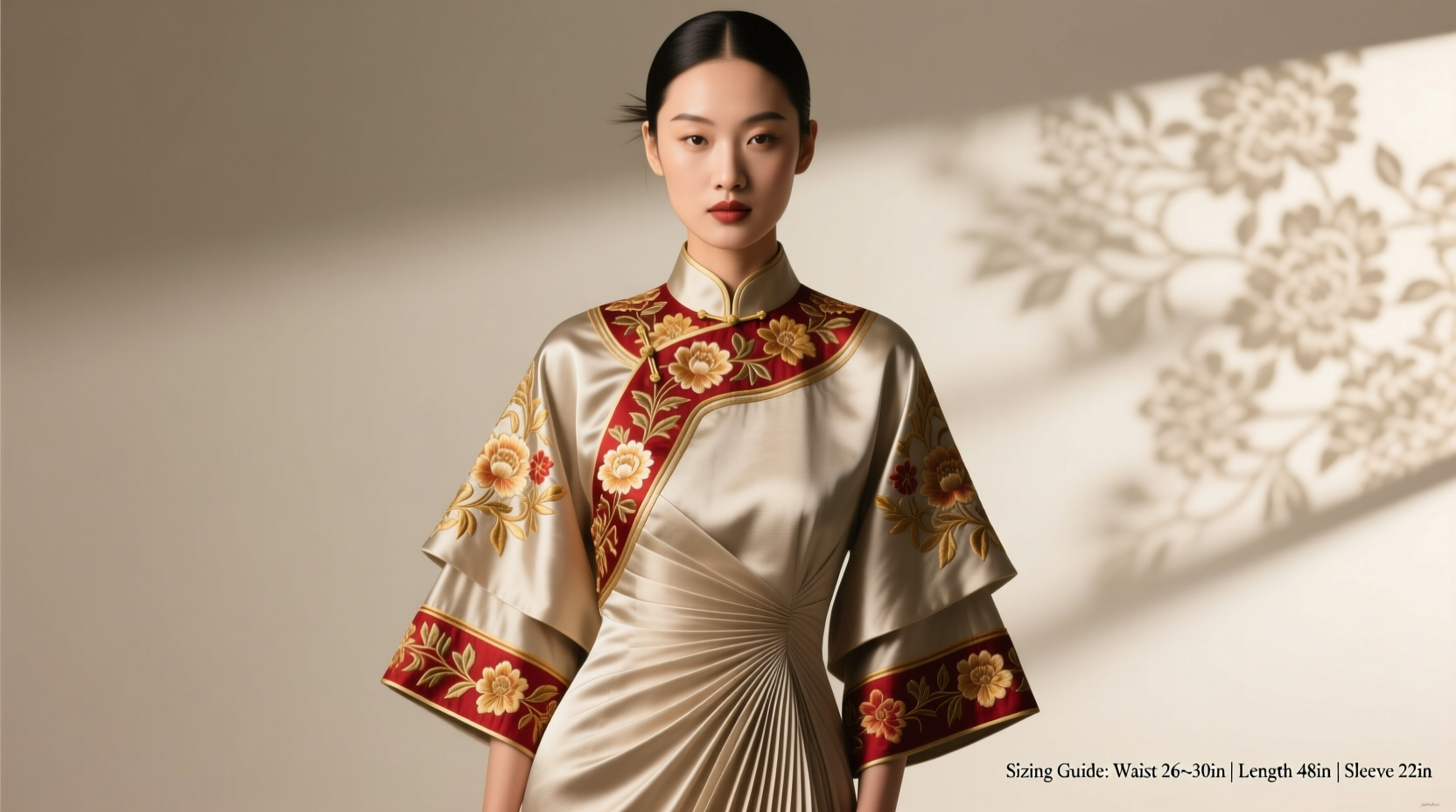
Navigating the Global Market for Asian Traditional Dress
The global appreciation for asian traditional dress has surged, with collectors, cultural practitioners, and sartorial enthusiasts seeking authentic garments from across the continent. However, acquiring these pieces outside their regions of origin presents unique challenges. Unlike Western ready-to-wear clothing, which relies on standardized S/M/L grading or generalized numeric scales, traditional Asian garments are deeply rooted in bespoke tailoring, specific textile widths, and distinct cultural proportions. Whether you are sourcing a vintage Japanese kimono, a bespoke Chinese qipao, or a hand-loomed Indian saree, understanding the underlying geometry and textile heritage of these garments is essential. This 2026 buying and sizing guide provides the technical frameworks necessary to navigate cross-cultural sizing, verify textile authenticity, and invest ethically in living sartorial traditions.
Decoding Asian Measurement Systems and Textile Geometry
Western sizing assumes a standardized body block, adjusting for bust, waist, and hip differentials. Traditional Asian tailoring often approaches the body differently, prioritizing the drape of the fabric, the width of the loom, and the concealment or structural highlighting of specific anatomical lines.
The Japanese Kimono and the Tanmono Bolt
The most critical concept in purchasing a Japanese kimono is the tanmono (the standard bolt of fabric). Historically, a tanmono is woven to a specific width, typically between 34 and 38 centimeters (approx. 13.5 to 15 inches). A standard kimono is constructed from four main panels (two for the body, two for the sleeves). Therefore, the maximum hip circumference a standard vintage kimono can accommodate is roughly double the panel width plus seam allowances—usually around 100 to 110 centimeters. If a wearer exceeds this, the kimono will pull open at the front. Furthermore, length is not dictated by a hem, but by the ohashori, a deep fold tied at the waist. When buying vintage, the mitake (back length) should ideally be your height minus 10 to 15 centimeters to allow for a proper ohashori.
The Chinese Qipao and Precision Tailoring
The modern qipao (or cheongsam) is a masterclass in structural tailoring. Unlike the loose, flowing garments of earlier dynasties, the contemporary qipao relies on darts and precise seaming. A master tailor will take up to 18 distinct measurements, including the hollow-to-hem, cross-shoulder, and the exact circumference of the bicep to ensure the pankou (frog buttons) and gun (piping) lay perfectly flat. When buying ready-to-wear qipaos online, Western size charts are notoriously unreliable; you must provide your exact bust, waist, and hip measurements in centimeters to the vendor for a proper fit.
South Asian Sarees and the Choli Blouse
A saree is an unstitched drape, typically ranging from 5.5 to 9 yards in length. The sizing challenge lies entirely in the choli (blouse) and the petticoat. The choli requires highly localized tailoring, particularly around the underbust and the cross-back. Mass-produced 'stretch' cholis often compromise the structural integrity of the drape. For authentic wear, the petticoat must be tied with a cotton drawstring (never elastic, which degrades and ruins the drape's tension) exactly at the navel, requiring precise waist-to-floor measurements.
Garment-Specific Sizing Conversion Matrix
Because direct 1:1 conversions between Western and Asian sizing do not exist, buyers must rely on garment-specific metrics. The following table outlines the critical measurements required for the three most globally sought-after garments.
| Garment Type | Critical Metric 1 | Critical Metric 2 | Critical Metric 3 | Fit Philosophy |
|---|---|---|---|---|
| Japanese Kimono | Yuki (Sleeve + Shoulder) | Mitake (Back Length) | Panel Width (Max Hip) | Adjustable length via waist fold; width restricted by loom. |
| Chinese Qipao | Hollow-to-Hem | Cross-Shoulder | High-Hip Circumference | Skin-tailored; zero ease in woven silk; requires exact cm metrics. |
| Korean Hanbok | Jeogori Sleeve Length | Chima Drop (Waist to Floor) | Bust (for Jeogori tie) | Tied above the bust; skirt volume is universal, jacket is bespoke. |
| Indian Saree Blouse | Underbust Band | Apex to Apex (Bust Point) | Armhole Depth | Structural support for heavy drapes; requires precise darting. |
Fabric Authenticity and Textile Markers
When investing in asian traditional dress, verifying the textile is as important as verifying the fit. The market is saturated with synthetic imitations that mimic the sheen of heritage fabrics. Understanding regional textile markers is vital for the discerning buyer.
- Xiangyunsha (Mud Silk): Originating from Guangdong, China, this fabric is dyed with薯莨 (shoulang yam) juice and coated with iron-rich river mud. It has a distinct leathery texture, a dark brown/black face, and a matte finish. It is highly breathable and commands premium prices (often $150+ per yard).
- Nishijin-ori: A hallmark of Kyoto, Japan, this woven textile uses pre-dyed threads to create intricate patterns. Authentic Nishijin-ori will have a dense, heavy hand-feel, and the pattern is identical (or structurally mirrored) on the reverse side, unlike printed polyester.
- Banarasi Silk: Hailing from Varanasi, India, genuine Banarasi sarees feature zari work. Historically, zari was spun from real silver and gold threads. Today, authentic artisan pieces still use tested silver threads electroplated with gold, which will tarnish slightly over decades, whereas synthetic 'plastic zari' remains unnaturally bright and stiff.
2026 Market Pricing and Provenance Tiers
Pricing for traditional garments varies wildly based on provenance, artisan involvement, and age. Below is a realistic price guide for buyers navigating the current market.
| Tier | Garment Example | Price Range (USD) | Characteristics |
|---|---|---|---|
| Mass-Market / Tourist | Polyester Qipao / Machine-printed Kimono | $30 - $90 | Synthetic fabrics, serged seams, generic sizing, fused collars. |
| Contemporary Artisan | Hand-woven Linen Hanbok / Silk Saree | $250 - $800 | Natural fibers, traditional loom widths, regional weaving cooperatives. |
| Master Tailored / Bespoke | Custom Xiangyunsha Qipao / Nishijin Kimono | $1,200 - $4,500+ | Hand-finished piping, real-metal zari, bespoke pattern drafting. |
| Antique / Archival | Taisho-Era Kimono / Qing Dynasty Robes | $800 - $10,000+ | Museum-quality condition, historical significance, fragile textiles. |
Ethical Sourcing and Institutional Resources
To ensure you are purchasing authentic, ethically sourced garments, buyers should cross-reference vendor claims with institutional archives and recognized textile cooperatives. Mass-market platforms often mislabel synthetic garments as 'traditional silk.' For verification of historical construction techniques and authentic regional patterns, consult the digital archives of major cultural institutions.
The Victoria and Albert Museum's Asian Collections offer unparalleled high-resolution documentation of historical textile weaves, embroidery techniques, and garment construction from across the continent. Similarly, the Kyoto Costume Institute provides exhaustive data on the evolution of Japanese dress, including precise diagrams of tanmono cutting layouts and historical kosode proportions. For South and Southeast Asian textiles, the Asian Art Museum in San Francisco maintains a robust database of regional weaving traditions, helping buyers distinguish between authentic Ikat, Brocade, and Batik techniques.
Final Fitting Protocols for Cross-Cultural Garments
When your garment arrives, resist the urge to judge the fit immediately using Western sartorial norms. A qipao should feel snug, almost restrictive, when first put on, as the silk will mold to the body's heat and movement over a few hours. A kimono will look entirely disproportionate until the datejime (under-belts) and obi are tied, which structurally shifts the garment's center of gravity and creates the iconic cylindrical silhouette. A hanbok's chima must be tied high, just below the collarbone, to allow the skirt to billow correctly without dragging on the floor.
By respecting the unique geometry, textile heritage, and tailoring philosophies inherent in asian traditional dress, collectors and wearers can build a wardrobe that honors the profound cultural legacy of these garments. Always prioritize exact measurements over generalized size charts, and invest in the artisans who keep these ancient looms and needles in motion today.