Guide to Authentic Oaxacan Huipiles & Weaving 2026
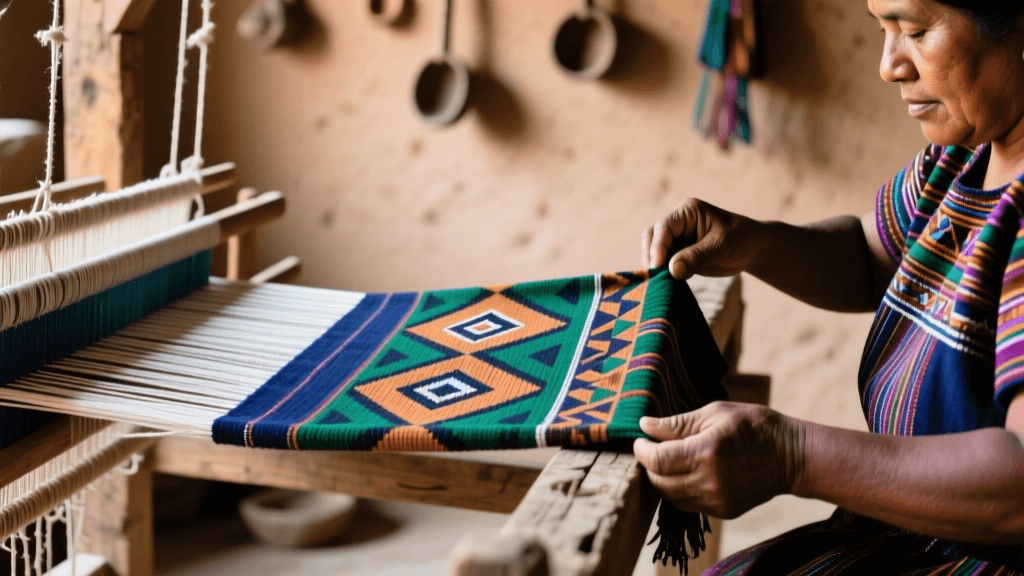
The Living Heritage of Oaxacan Backstrap Weaving
The huipil is far more than a traditional garment; it is a wearable codex, a geographical identifier, and a profound expression of indigenous identity in Latin America. In the southern Mexican state of Oaxaca, the art of weaving on the pre-Columbian backstrap loom remains a vital, living practice. As we navigate the textile landscape in 2026, the global appreciation for authentic Oaxacan huipiles has reached new heights, driven by a collective pushback against fast fashion and a renewed commitment to preserving indigenous intellectual property. For collectors, cultural enthusiasts, and conscious consumers, understanding the intricate mechanics of Zapotec, Mixtec, and Triqui weaving is essential to appreciating the true value of these masterpieces.
Unlike the European pedal loom introduced during the colonial era, which is typically operated by men in larger workshop settings, the backstrap loom is intimately connected to the weaver's body. It is predominantly a female domain, passed down from mother to daughter, weaving not just cotton threads but the very social fabric of their communities. In 2026, acquiring an authentic, hand-woven huipil requires navigating a complex market where mass-produced imitations frequently attempt to mimic the sacred geometries of indigenous artisans. This comprehensive guide will equip you with the knowledge to identify authentic techniques, understand regional variations, and source ethically.
Anatomy of the Loom and the Weaving Process
To truly value an Oaxacan huipil, one must understand the physical toll and technical mastery required to create it. The backstrap loom consists of a series of wooden rods that hold the warp (longitudinal) threads under tension. One end of the loom is tied to a fixed object, such as a tree or a sturdy post, while the other end is attached to a belt (the backstrap) that wraps around the weaver's lower back.
By leaning forward or backward, the weaver manually controls the tension of the warp threads. This somatic connection means the weaver's body becomes an integral part of the machine. According to research and historical archives maintained by the Textile Society of America, this method allows for incredible precision in creating supplementary weft patterns—commonly known as brocade—where decorative threads are woven into the fabric simultaneously as it is created, rather than embroidered on afterward.
Essential Tools of the Backstrap Loom
- The Machete (Batten): A heavy, sword-like wooden or metal tool used to beat the weft threads tightly together, creating a dense, durable fabric.
- The Heddle Rod: A rod with string loops attached to alternate warp threads, allowing the weaver to quickly raise and lower them to create the shed (the space the shuttle passes through).
- The Shuttle: A small bobbin or stick wrapped with the weft yarn, passed back and forth through the shed.
- The Pick-up Stick: Used to manually isolate specific warp threads for complex brocade motifs, requiring the weaver to memorize or count intricate pattern sequences.
The Natural Dye Renaissance of 2026
A defining characteristic of premium Oaxacan textiles in 2026 is the resurgence and stabilization of natural dyeing practices. While the mid-20th century saw an influx of synthetic aniline dyes due to their lower cost and vibrant colors, the contemporary market heavily favors the ecological and historical authenticity of natural dyes. Artisans who continue to use these traditional methods command higher prices, reflecting the immense labor involved.
Cochineal (Dactylopius coccus): This parasitic insect, native to the Oaxacan valleys, is dried and crushed to produce a brilliant spectrum of reds, purples, and pinks. By altering the pH level of the dye bath with acidic lime juice or alkaline wood ash, weavers can manipulate the color. In 2026, naturally dyed cochineal yarn remains one of the most expensive textile materials in the region.
Indigo (Añil): Derived from the leaves of the indigo plant, this dye requires a complex fermentation and oxidation process. The yarn is dipped into a vat, emerging yellowish-green before magically turning deep blue as it reacts with the oxygen in the air.
Marigold (Cempasúchil) and Pecan Shells: Used to achieve vibrant yellows, golds, and deep earthy browns, often requiring an alum mordant to ensure colorfastness.
Village-Specific Patterns: A Regional Comparison
The most critical rule of indigenous textile identification is that patterns are geographically bound. A huipil from the Isthmus of Tehuantepec will look radically different from one woven in the Sierra Norte. Below is a 2026 market comparison of four highly sought-after weaving communities, detailing their distinct aesthetic signatures and current valuation metrics.
| Community / Region | Primary Motifs & Style | Materials & Dyes | Estimated 2026 Market Value (USD) | Weaving Time |
|---|---|---|---|---|
| San Bartolo Yautepec (Isthmus) | Intricate geometric brocade, diamonds representing the cosmos and local fauna. | Native cotton, heavy use of natural indigo and cochineal. | $450 - $950 | 6 - 9 Months |
| Santa María Tlahuitoltepec (Sierra Norte) | Floral and avian motifs, often featuring the double-headed eagle or local songbirds. | Commercial cotton, mix of natural and high-quality synthetic dyes. | $180 - $350 | 3 - 5 Months |
| San Andrés Chicahuaxtla (Triqui) | Dense horizontal bands, predominantly vibrant reds and pinks with green/blue accents. | Commercial cotton, historically vibrant synthetic dyes preferred for cultural contrast. | $300 - $650 | 4 - 7 Months |
| San Juan Cotzocón (Mixe) | Subtle, tonal geometric diamonds woven into the warp, relying on texture over color. | Undyed native 'coyuche' (brown) and white cotton. | $250 - $500 | 4 - 6 Months |
Ethical Sourcing: Navigating the 2026 Market
As the global demand for 'boho-chic' and artisanal fashion grows, so does the exploitation of indigenous designs. In 2026, the Mexican government, through the Secretaría de Cultura, continues to enforce and advocate for the protection of indigenous intellectual property, actively calling out international fashion houses that plagiarize traditional motifs without compensation or credit. As a conscious buyer, your purchasing power is a direct vote for cultural preservation.
Best Practices for Ethical Acquisition
- Buy Direct or via Certified Cooperatives: Whenever possible, purchase directly from the weaver, their family cooperative, or certified fair-trade organizations. Platforms supported by entities like Nest ensure that artisan businesses receive equitable compensation and maintain safe, culturally respectful working environments.
- Understand the Pricing: If a 'hand-woven' Oaxacan huipil is selling for $40 online, it is either a machine-made knockoff, produced using exploitative labor, or heavily subsidized in a way that harms the local textile economy. Authentic, hand-woven garments require months of labor; their pricing must reflect a living wage.
- Ask for Provenance: A reputable dealer will know the exact village, the name of the weaver (if she consents to share it), and the materials used. If the seller only identifies the piece as 'Mexican vintage,' proceed with caution.
Red Flags for Mass-Produced Imitations
- Uniformity of the Selvedge: Hand-woven backstrap textiles often have slight, natural variations in width and selvedge tension. Machine-made fabrics are perfectly uniform.
- Embroidery vs. Brocade: Many cheap imitations use machine embroidery on plain cotton to mimic the look of supplementary weft brocade. Examine the reverse side of the fabric; true brocade will show the pattern integrated into the weave, whereas embroidery will show loose, floating threads on the back.
- The 'Smell' Test: Authentic vintage or naturally dyed textiles often carry a faint, earthy scent of woodsmoke, natural wool, or organic dyes. Mass-produced items will smell of chemical factories or heavy synthetic perfumes used to mask manufacturing odors.
'When I weave, I am not just making cloth. I am weaving the history of my grandmother, the mountains of my home, and the future of my daughters. Every knot is a memory.' — Anonymous Zapotec Weaver, Sierra Norte.
Caring for Your Handwoven Textile
Owning an authentic Oaxacan huipil is an investment in wearable art. Proper care ensures these textiles survive for generations, maintaining their structural integrity and vibrancy.
- Washing: Never machine wash or dry clean a hand-woven, naturally dyed huipil. Hand wash gently in cold water using a pH-neutral, eco-friendly detergent. Avoid harsh soaps that can strip cochineal and indigo dyes.
- Drying: Do not wring the fabric, as this can break the hand-spun cotton fibers. Press the water out gently between two clean towels and lay the garment flat to dry in the shade. Direct sunlight will rapidly fade natural dyes.
- Storage: Store your huipil flat or loosely rolled in acid-free tissue paper inside a breathable cotton bag. Avoid wire hangers, which can distort the shoulders and cause irreversible stretching of the heavy brocaded fabric.
Glossary of Oaxacan Weaving Terms
To converse knowledgeably with artisans and collectors in 2026, familiarize yourself with these essential terms:
- Huipil: The traditional tunic-like garment worn by indigenous women across Mesoamerica, typically consisting of one to three panels of woven cloth joined together.
- Brocado: The technique of adding decorative supplementary weft threads during the weaving process to create raised patterns.
- Urdimbre: The warp; the foundational longitudinal threads held under tension on the loom.
- Trama: The weft; the transverse threads passed through the warp to create the fabric.
- Coyuche: A naturally occurring, native brown cotton variety highly prized for its earthy tone and historical significance, requiring no dye.
Conclusion
The Oaxacan huipil stands as a testament to the resilience and genius of indigenous women. In 2026, as we become increasingly aware of the environmental and ethical costs of globalized fashion, the backstrap-woven textile offers a profound alternative—a garment rooted in place, time, and human connection. By educating ourselves on the distinct patterns of Zapotec and Mixtec villages, understanding the alchemy of natural dyes, and committing to ethical sourcing, we ensure that this magnificent tradition continues to thrive for centuries to come.