LDS Temple Garments 2026: Symbolism, Styles, and Sacred Meaning
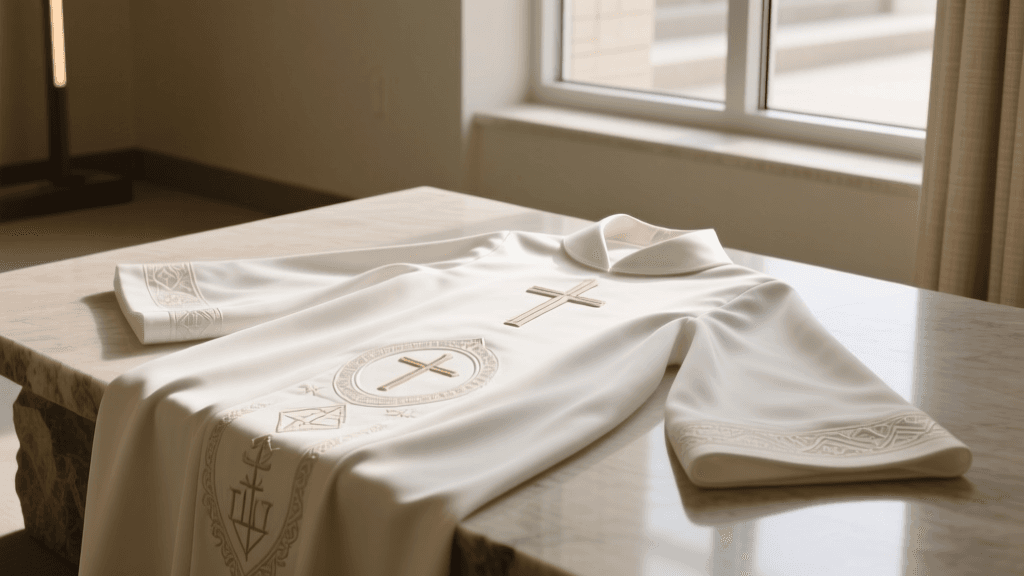
The Sacred Armor: Understanding LDS Temple Garments
For millions of members of The Church of Jesus Christ of Latter-day Saints, the temple garment is far more than a simple undergarment; it is a profound, intimate symbol of faith, covenants, and spiritual protection. Often referred to by adherents as the 'armor of God' (a reference to Ephesians 6:11-17), the garment serves as a constant, physical reminder of the sacred promises made within the walls of Latter-day Saint temples. While the broader public may occasionally misunderstand or mischaracterize these garments, for the faithful, they represent a deeply personal and egalitarian expression of devotion that bridges ancient religious traditions with modern daily life in the Americas and across the globe.
Historical Origins in the Americas
The origins of the temple garment are deeply rooted in the American religious landscape of the 19th century. The practice was introduced by the Prophet Joseph Smith in Nauvoo, Illinois, in the early 1840s, concurrent with the introduction of the temple endowment ceremony. Early garments were full-length, one-piece union suits made of heavy cotton or flannel, reflecting the modesty standards and practical needs of the American frontier. As the Latter-day Saint pioneers migrated westward to the Salt Lake Valley, the garment became a defining marker of cultural and religious identity. Over the decades, as global clothing norms evolved, the Church gradually adapted the garment's physical design to accommodate modern lifestyles, transitioning from one-piece suits to the two-piece tops and bottoms familiar today, while strictly preserving the sacred boundaries and marks that define their religious purpose.
The Sacred Marks and Their Covenants
At the core of the garment's religious meaning are the sacred marks woven or embroidered into the fabric. According to the Church's official Gospel Topics Essay on Temple Garments, these marks carry deep symbolic significance, reminding the wearer of their covenants to live a moral, upright life and to dedicate themselves to the service of God. Historically, early garments featured four distinct marks: the Square, the Compass, the Navel, and the Knee. The Square represented justice, equity, and honor; the Compass symbolized the boundaries of moral desire and the eternal nature of the spirit; the Navel represented the need for constant spiritual nourishment; and the Knee signified reverence and the willingness to bow before the Almighty.
In the mid-20th century, as the garment was adapted into its modern two-piece form, the marks were simplified to the Square and the Compass, which are placed on the chest area of the garment top. These symbols are not considered magical or talismanic; rather, they function as visual and tactile prompts for the wearer's conscience, encouraging mindfulness, integrity, and spiritual focus throughout the rigors of daily life.
Cultural Significance and Modesty in the Americas
Beyond theology, the garment plays a profound role in the daily cultural life of Latter-day Saints, particularly in regions with high concentrations of members, such as the American West, parts of Latin America, and the Pacific Islands. The requirement to wear the garment day and night naturally influences the outer clothing choices of the wearer, fostering a culture of modesty. For women, this often means avoiding low-cut necklines, sleeveless tops, and short hemlines; for men, it typically precludes wearing shorts that end above the knee or shirts that expose the midriff. This shared standard of dress creates a strong, unifying cultural identity among members, transcending socioeconomic boundaries. A CEO and a college student, regardless of their outward wealth, wear the exact same sacred garments beneath their clothing, reinforcing the core Latter-day Saint belief in the spiritual equality of all individuals before God.
2026 Garment Styles and Fabric Innovations
As of 2026, the Church has continued to refine garment styles to meet the diverse climatic and lifestyle needs of its global membership. The current catalog available through the Church Distribution Services features advanced textile technologies that prioritize breathability, moisture-wicking capabilities, and durability. The integration of performance fabrics has been a game-changer for members living in tropical climates or those engaged in active, outdoor professions.
| Style Name | Fabric Composition | Best Use Case | Price Range (2026) |
|---|---|---|---|
| Classic Cotton | 100% Combed Cotton | Everyday wear, sensitive skin, cooler climates | $8.00 - $9.50 |
| Stretch Cotton | 95% Cotton, 5% Spandex | Active lifestyles, form-fitting outerwear | $9.50 - $11.00 |
| Performance Mesh | Polyester/Spandex Blend | Athletics, high-heat environments, manual labor | $11.00 - $12.50 |
| Seersucker | Lightweight Cotton Blend | Extreme humidity, summer months, tropical regions | $10.00 - $11.50 |
| Maternity Panel | Stretch Cotton with expandable midriff | Pregnancy and postpartum comfort | $11.00 - $12.00 |
One of the most significant updates fully realized in the 2026 catalog is the expanded variety of women's necklines and sleeve lengths. In recent years, the Church introduced options such as the scoop neck, v-neck, and boat neck, alongside cap-sleeve and short-sleeve variations. These adjustments were made in response to member feedback, allowing women to wear contemporary professional and casual outerwear without the garment showing, thereby maintaining the sacred boundary of the garment while reducing unnecessary social friction in modern secular environments.
Purchasing and Distribution in 2026
Obtaining temple garments in 2026 is a streamlined process managed exclusively through the Church's official distribution channels. Unlike standard apparel, garments cannot be purchased in secular retail stores. Members who have received their temple endowment are authorized to order garments online via the Church's secure distribution portal or purchase them in person at local Distribution Centers located adjacent to temples and major meetinghouses worldwide. The online ordering system in 2026 features enhanced sizing algorithms, virtual fitting guides, and a robust global shipping network that ensures members in remote areas of South America and rural North America have reliable access to the sacred clothing. Pricing remains heavily subsidized by the Church to ensure accessibility, with individual tops and bottoms generally ranging between $8.00 and $12.50 depending on the fabric technology selected.
Care, Respect, and Disposal
Because the garment is considered sacred, members are instructed to treat it with the utmost respect. This extends to how the garments are laundered, stored, and eventually disposed of. Members are taught to wash garments separately from heavily soiled outerwear and to handle them reverently. When a garment becomes worn, torn, or unusable, it is not simply thrown into the trash. The established protocol requires the member to carefully cut out the sacred marks (the Square and Compass) and destroy them, typically by burning or cutting them into unrecognizable pieces. The remaining, unmarked fabric can then be respectfully discarded or repurposed as cleaning rags. This meticulous process of disposal underscores the deep reverence Latter-day Saints hold for the covenants the garment represents.
Conclusion
The LDS temple garment remains a vital, living tradition within the tapestry of American and global religious dress. As of 2026, the harmonious blend of sacred, unchanging symbolism with modern, responsive fabric technology allows millions of Latter-day Saints to navigate the contemporary world while remaining anchored to their deepest spiritual commitments. Far from being an archaic relic, the garment is a dynamic expression of faith, modesty, and covenant identity that continues to shape the cultural landscape of the Americas and beyond.