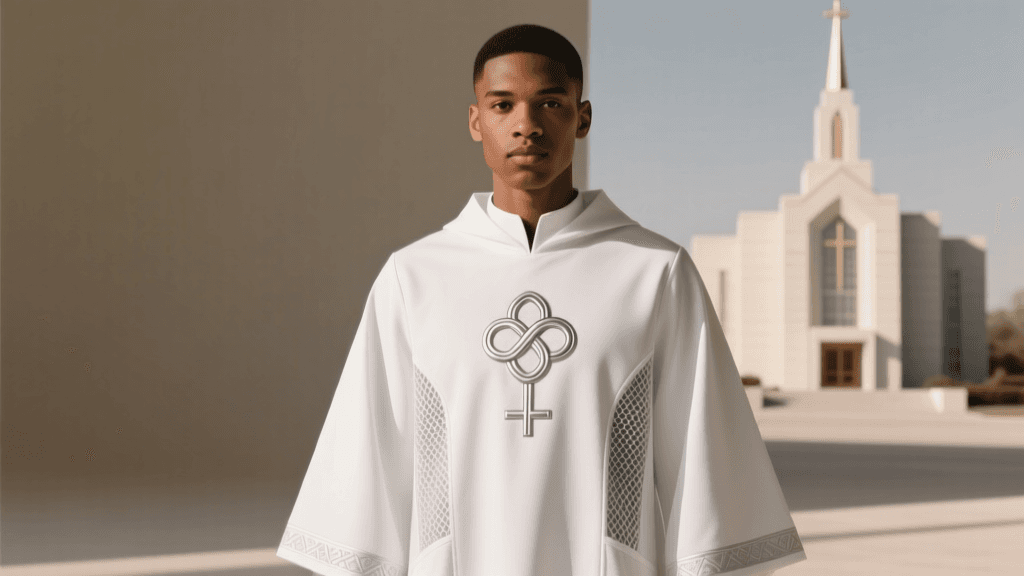
Mormon Temple Garments 2026: Meaning, Styles, and Fit

For members of The Church of Jesus Christ of Latter-day Saints, the temple garment is far more than a simple undergarment; it is a profound, sacred symbol of faith, covenants, and spiritual devotion. Originating in the early days of the American Restoration, this unique religious textile has evolved significantly in its design, fabric technology, and cultural transparency. As we navigate 2026, understanding the cultural significance, religious meaning, and modern practicalities of LDS temple garments provides a fascinating window into one of America’s most distinct indigenous religious traditions.
The Sacred Origins and Religious Meaning
The use of sacred clothing in religious rituals is an ancient practice, with roots tracing back to the Old Testament and the priestly garments of the Levitical priesthood. However, the modern LDS temple garment was introduced by the Prophet Joseph Smith in the early 1840s in Nauvoo, Illinois. According to the Encyclopedia of Mormonism, the garment was instituted as part of the endowment ceremony, serving as a physical reminder of the spiritual covenants made inside the temple.
Unlike secular clothing, which is chosen for fashion or utility, the temple garment is designed to serve as a "shield and protection" and a constant, tactile reminder of the wearer's promises to God. It is often referred to by members as the "armor of God," drawing upon the Apostle Paul's writings in Ephesians. The garment is meant to inspire modesty, provide a barrier against worldly temptations, and foster a continuous mindset of spiritual mindfulness throughout the daily routines of life.
The Symbolism of the Marks
Woven or embroidered into the fabric of the traditional temple garment are specific symbolic marks. While the exact rituals of the temple are kept sacred and private by members, the general symbolism of these marks has been publicly addressed by church leaders to foster understanding:
- The Square: Represents justice, equity, and the importance of honoring one's word and dealing fairly with all people.
- The Compass: Symbolizes an undeviating course toward truth, the desire to keep one's passions within the bounds of the Lord, and the pursuit of eternal life.
- The Navel: A reminder of the need for continuous spiritual nourishment and the vital connection to the divine source of life.
- The Knee: Represents reverence, the importance of prayer, and the willingness to bow in submission to the will of God.
Cultural Significance in Modern Mormonism
In the broader American cultural landscape, Mormon temple garments have frequently been the subject of misunderstanding, sometimes reductively referred to in popular media as "magic underwear." However, the cultural paradigm in 2026 is one of increased transparency and education. Latter-day Saints are increasingly encouraged to speak openly about the sacred nature of the garment, shifting the narrative from one of secrecy to one of profound personal devotion.
Culturally, the garment acts as a boundary marker of identity. For the millions of endowed members globally, wearing the garment is a unifying practice that transcends language, nationality, and socioeconomic status. Whether a member is attending a business meeting in New York, farming in rural Utah, or studying at a university in Tokyo, the garment serves as a private, intimate anchor to their faith community and their personal relationship with Jesus Christ.
2026 Garment Styles and Fabric Innovations
Historically, the garment was a one-piece union suit that extended to the wrists and ankles. Over the 20th century, it evolved into the modern two-piece design (a t-shirt-style top and knee-length bottoms) to accommodate the practicalities of modern life, military service, and diverse climates. In 2026, the Church’s Distribution Services offers a highly refined selection of fabrics and styles designed to meet the needs of a global, active membership.
When ordering through the official Church Distribution store, members can choose from several advanced textile blends. The focus in 2026 is on breathability, moisture-wicking capabilities, and inclusive sizing.
Fabric Comparison Chart (2026 Lineup)
| Fabric Type | Best Climate / Use Case | Breathability | Stretch & Fit Profile |
|---|---|---|---|
| 100% Cotton | Moderate climates, everyday wear, sensitive skin | High | Low (Traditional fit) |
| Cotton-Modal Blend | Warm climates, active lifestyles, office wear | Very High | Medium (Soft drape) |
| Stretch Nylon | Travel, athletics, cold-weather layering | Medium | High (Form-fitting) |
| Lightweight Mesh | Tropical, highly humid environments | Maximum | Low (Loose, airy) |
The introduction of specialized styles has also been a major focus. In 2026, members can purchase maternity garments with expandable abdominal panels, youth garments for young men and women preparing for their first endowment, and specialized military-issue garments that comply with armed forces uniform regulations while maintaining the sacred marks.
Navigating Fit, Sizing, and Purchasing
Purchasing temple garments is a restricted process, reserved exclusively for members who hold a current, valid temple recommend. This recommend is issued by local ecclesiastical leaders (bishops and stake presidents) and signifies that the member is living in accordance with the standards required to participate in temple ordinances.
How to Measure and Order
Getting the correct fit is essential, as the garment is meant to be worn comfortably day and night. The 2026 online Distribution portal provides a highly accurate digital sizing tool. To measure correctly:
- For the Top: Measure the chest at the fullest part, and the neck from the base of the collar to the desired sleeve length.
- For the Bottom: Measure the natural waistline and the inseam from the crotch to the desired length on the thigh (typically mid-thigh, ensuring the garment extends below the outer clothing's hemline when sitting).
Members are encouraged to order directly through the official church app or website, which syncs with their membership record to verify temple recommend status automatically. For those living in remote areas without access to a physical Distribution center, global shipping options have been vastly improved in 2026, ensuring that members in South America, Africa, and Asia receive their garments in a timely manner.
Accommodations for Medical and Lifestyle Needs
The Church recognizes that strict adherence to the standard garment design is not always medically or practically feasible. In 2026, the General Handbook outlines clear, compassionate accommodations. Members who have undergone surgeries (such as mastectomies, ostomies, or spinal procedures) are authorized to modify the garment or purchase specialized adaptive clothing that accommodates medical devices while preserving the sacred marks. Similarly, athletes and performers may wear specialized, moisture-wicking athletic versions of the garment during rigorous physical activity, ensuring that their covenants remain close to them even in the arena of sports.
Proper Care and Respectful Disposal
Because of its sacred nature, the temple garment requires respectful handling, laundering, and eventual disposal. Members are instructed to treat the garment with the same reverence they would afford any holy object.
Washing and Maintenance
Garments should be washed regularly, separate from heavily soiled outer clothing, using mild detergents. The 2026 modal and stretch nylon blends are designed to withstand machine washing and tumble drying on low heat, though line drying is recommended for the lightweight mesh options to preserve the integrity of the fibers. If a garment tears or develops a hole, members are encouraged to repair it neatly rather than discarding it immediately, reflecting a principle of stewardship and respect.
The Disposal Process
When a garment becomes too worn, frayed, or stained to be worn respectfully, it must be retired. The standard procedure involves cutting the sacred marks out of the fabric. The remaining fabric is then either burned or shredded so that it cannot be recognized or repurposed as clothing. The cut-out marks are typically burned or disposed of in a manner that prevents them from being treated as common refuse. This meticulous process underscores the deep reverence members hold for the symbols of their faith.
Conclusion
The LDS temple garment is a remarkable intersection of ancient religious symbolism and modern American textile innovation. For members of The Church of Jesus Christ of Latter-day Saints, it is a deeply personal, sacred vestment that bridges the gap between the eternal covenants made in the holy temples and the mundane realities of daily life. As fabric technologies continue to advance in 2026, the garment remains what it has always been since the days of Nauvoo: a quiet, steadfast reminder of faith, modesty, and devotion to God. Understanding the true meaning and cultural weight of the garment is essential for anyone seeking to comprehend the rich tapestry of indigenous American religious traditions.