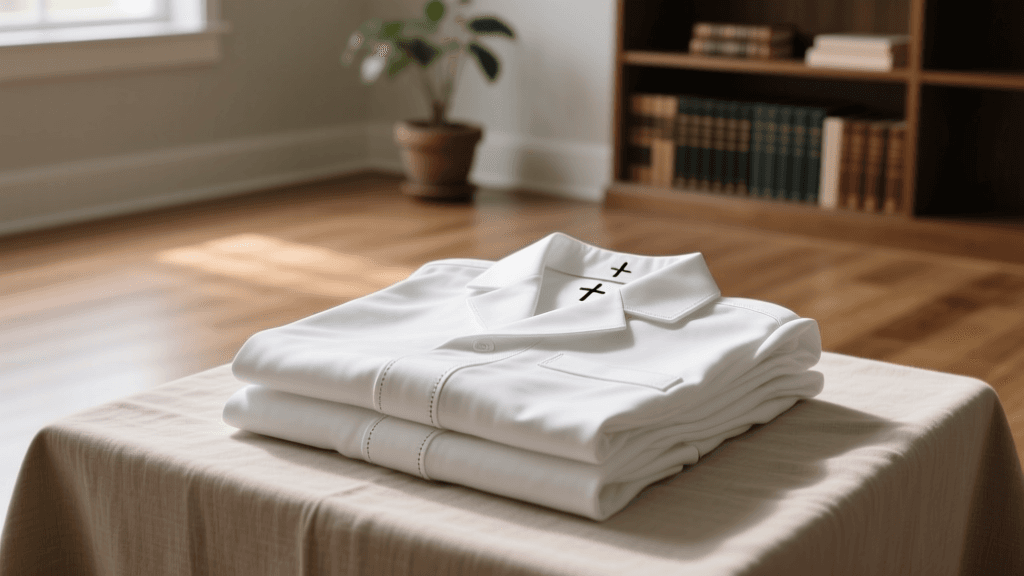
LDS Garment Styles & Materials: 2026 Modern Updates
The Evolution of LDS Temple Garments in 2026
For members of The Church of Jesus Christ of Latter-day Saints, the temple garment is a deeply sacred article of clothing. Worn beneath outer clothing, it serves as a personal, private reminder of the covenants made with God in holy temples. While the spiritual significance and the sacred marks woven into the fabric remain entirely unchanged, the physical construction, textiles, and styling of the garments have seen remarkable modernization over the last decade. As we navigate 2026, the focus of garment design is squarely on global inclusivity, advanced textile technology, and adaptive comfort for diverse lifestyles.
Historically, early temple garments were one-piece union suits made of heavy cotton or wool, designed in the late 19th and early 20th centuries when central heating was rare and modesty standards required full-body coverage. Over the decades, the Church transitioned to the modern two-piece design (a top and bottom) to accommodate contemporary clothing styles and warmer climates. Today, in 2026, the distribution network offers an impressive array of high-tech fabrics and tailored fits that cater to everyone from elite athletes and expectant mothers to individuals living in tropical climates. These modern updates ensure that members can honor their sacred covenants without compromising on physical comfort or practical daily wear.
Comprehensive Guide to 2026 Garment Materials
The most significant advancements in recent years have been in textile engineering. The Church Distribution system now provides several distinct fabric blends, each designed to solve specific comfort challenges. Choosing the right material is essential for daily wearability, especially for those with sensitive skin or active routines.
1. Traditional Cotton
The heritage cotton garment remains a staple for many members. Made from 100% combed cotton, this material is highly breathable, hypoallergenic, and incredibly soft against the skin. It is an excellent choice for individuals who prefer natural fibers and live in temperate climates. However, pure cotton does have a tendency to shrink if exposed to high heat in the dryer, and it retains moisture, making it less ideal for intense physical activity or humid environments.
2. Modal Blend
Modal has become one of the most popular choices for everyday wear in 2026. Derived from beech tree pulp, modal is a type of rayon that is exceptionally soft, smooth, and drapes beautifully. It is significantly more resistant to shrinking and fading than traditional cotton. Modal garments feel cool to the touch, making them a favorite for members who work in office environments or prefer a lighter, silkier feel beneath their professional attire. The 2026 modal blends feature enhanced durability, ensuring the sacred marks remain intact and legible through hundreds of wash cycles.
3. Stretch Mesh
Designed specifically for extreme heat and high humidity, stretch mesh garments are a lifesaver for members living in tropical regions or those traveling to warm-weather destinations. The fabric is lightweight, highly breathable, and features a micro-perforated structure that allows for maximum airflow. While it provides slightly less opacity than cotton or modal, it is fully approved and meets all modesty requirements. The 2026 iterations of stretch mesh have improved elasticity, preventing the fabric from sagging or losing its shape over time.
4. Performance and Athletic Blends
For active members, missionaries, and athletes, the performance line is the ultimate 2026 innovation. These garments are crafted from advanced moisture-wicking synthetic blends, similar to high-end athletic wear. They pull sweat away from the skin, dry rapidly, and feature antimicrobial properties to reduce odor. The athletic cuts also feature reinforced stitching and ergonomic seams that prevent chafing during running, hiking, or manual labor. This line has been a game-changer for young missionaries serving in demanding physical environments.
2026 Fabric Comparison Chart
To help you select the best option for your lifestyle, refer to the comparison table below detailing the current offerings available through the Church Distribution Store.
| Material | Best Use Case | Key Pros | Key Cons | 2026 Price Range (Per Piece) |
|---|---|---|---|---|
| 100% Cotton | Everyday wear, sensitive skin | Natural fiber, highly breathable, soft | Prone to shrinking, retains moisture | $7.50 - $9.00 |
| Modal Blend | Office wear, professional settings | Shrink-resistant, cool touch, silky drape | Requires gentle washing, higher cost | $9.50 - $11.50 |
| Stretch Mesh | Tropical climates, summer travel | Maximum airflow, ultra-lightweight | Less opacity, delicate fabric | $8.50 - $10.00 |
| Performance | Athletics, manual labor, missions | Moisture-wicking, odor-resistant, durable | Synthetic feel, less breathable than cotton | $10.00 - $12.50 |
Modern Style Updates and Sizing Inclusivity
Beyond fabric technology, 2026 has brought significant updates to the silhouettes and sizing options available, reflecting a global and diverse membership. The Church has made concerted efforts to ensure that every endowed member can find a garment that fits their unique body type comfortably and respectfully.
Women's Style Variations
Women's garment tops now come in a wider variety of necklines and sleeve lengths to accommodate modern fashion trends while maintaining the required coverage of the sacred marks. The cap-sleeve and short-sleeve options remain the most popular, but the approved camisole-style tops (which feature wider straps and a higher neckline to ensure the marks are fully covered) have seen a surge in popularity for layering under sleeveless dresses. Additionally, the 2026 catalog includes specialized maternity panels that expand to accommodate a growing belly without pulling on the sacred markings, providing immense comfort for expectant mothers.
Men's Style Variations
For men, the traditional crew neck and V-neck tops are now complemented by low-crew options designed to remain hidden beneath unbuttoned casual shirts. The bottom options have also evolved. While the traditional brief cut is still available, the boxer-brief style has become the standard for most men, offering better thigh coverage and preventing the garment from riding up during daily activities. Extended inseams are now available for taller men, ensuring the garments remain tucked and secure.
Adaptive and Inclusive Sizing
One of the most praised updates in recent years is the expansion of adaptive and plus sizing. In 2026, members can order garments in extended sizes up to 6X, ensuring that individuals of all body types have access to properly fitting sacred clothing. Furthermore, adaptive garments featuring velcro closures, magnetic snaps, and modified seams are available for members with limited mobility, physical disabilities, or those recovering from surgery. These thoughtful designs ensure that physical limitations never stand in the way of honoring temple covenants.
How to Purchase and Care for Your Garments
Purchasing temple garments is a privilege reserved for endowed members of the Church. As of 2026, the most convenient way to purchase garments is through the official online Church Distribution Store. Members can log in with their Church Account, verify their temple recommend status automatically, and order directly to their home. This system has vastly improved inventory management, meaning niche sizes and specialized fabrics like performance mesh are rarely out of stock.
Proper Care Instructions
To maintain the integrity of the sacred marks and extend the lifespan of your garments, proper laundering is essential. Always treat the garments with respect, washing them separately from heavily soiled outerwear. Use cold or warm water with a mild detergent. Avoid using chlorine bleach, as it can degrade the synthetic fibers in modal and performance blends and cause the sacred marks to fade or weaken the fabric. Tumble dry on low heat or line dry. High heat is the primary culprit for shrinking cotton garments and damaging the elasticity of stretch mesh.
The Spiritual Significance in a Modern Context
While the textiles, styles, and purchasing methods have modernized to meet the practical demands of the 21st century, the core purpose of the garment remains eternally unchanged. As outlined on the official temples page, the garment is a shield and a protection, a constant physical reminder of the Savior and the promises made in the House of the Lord. The 2026 updates simply ensure that this sacred armor is accessible, comfortable, and practical for a global membership, allowing individuals to focus less on physical discomfort and more on their spiritual journey.
Frequently Asked Questions
Can I buy garments in local retail stores?
No. Temple garments are sacred items and are not sold in secular retail stores or general clothing outlets. They are exclusively distributed through Church Distribution centers, physical Deseret Book locations that house distribution counters, and the official online store.
What should I do with worn-out garments?
When a garment is too worn, stained, or damaged to be worn respectfully, it should be destroyed. The standard practice in 2026 remains cutting out the sacred marks and destroying them (often by burning or cutting them into unrecognizable pieces), while the remaining fabric can be disposed of in the regular trash. The marks should never be thrown away intact.
Are there options for members with sensory processing sensitivities?
Yes. Members with sensory processing disorders or severe skin conditions often find the modal or stretch mesh options to be the most tolerable due to their lack of heavy seams and ultra-soft textures. Some members also consult with local distribution managers for custom seam allowances where medically necessary.
For further cultural and news updates regarding Church practices and lifestyle adaptations, members frequently turn to resources like the Deseret News, which regularly covers how faith and modern life intersect in the Latter-day Saint community.