Mastering Kimono Tailoring: Top Kyoto Workshops 2026
The 2026 Renaissance of Traditional Japanese Garment Making
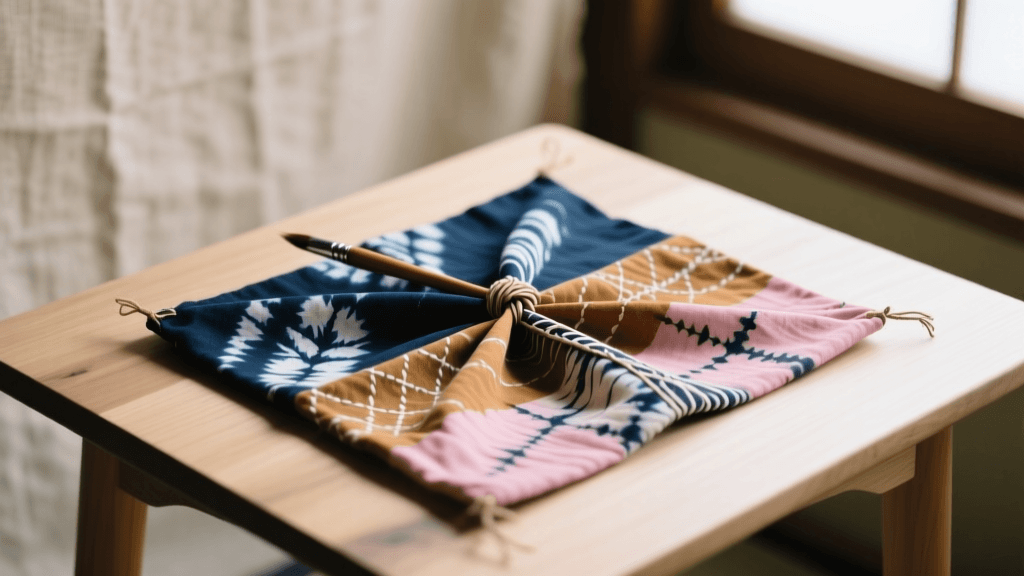
In 2026, the global slow fashion movement has heavily pivoted toward heritage techniques, sparking a massive renaissance in traditional Asian garment making. For textile enthusiasts, fashion students, and dedicated hobbyists, there is no greater pursuit than mastering the intricate arts of Japanese Wasai (kimono tailoring) and Yuzen (resist dyeing). Unlike Western garment construction, which relies heavily on curved seams and complex pattern drafting to fit the human form, traditional Japanese tailoring celebrates the integrity of the woven fabric. Garments are constructed using straight-line cutting and meticulous basting stitches, allowing the textile to drape naturally and, crucially, to be entirely disassembled for cleaning and re-dyeing—a practice known as arai-hari.
This year, the Association for the Promotion of Traditional Craft Industries has reported a significant surge in international applicants for heritage craft seminars, driven by a collective desire to preserve tactile, ancestral skills in an increasingly digital and AI-dominated world. Whether you are looking to dye your own silk crepe or stitch a fully lined kimono by hand, Kyoto remains the undisputed epicenter for these immersive educational experiences.
Top In-Person Yuzen Dyeing and Wasai Workshops in Kyoto
Kyoto offers a spectrum of learning environments, from centuries-old family studios to modern extension programs at prestigious art universities. Selecting the right workshop depends on your desired depth of study, language requirements, and budget.
Marumasu-Nishimuraya Yuzen Studio (Dyeing Focus)
Located in the historic Nishijin weaving district, Marumasu-Nishimuraya is one of the most accessible and highly rated studios for international visitors seeking hands-on Yuzen dyeing experience. In 2026, they have expanded their intensive masterclasses beyond simple tourist souvenirs, offering multi-day seminars focused on the authentic itome-nori (thread-like rice paste resist) technique.
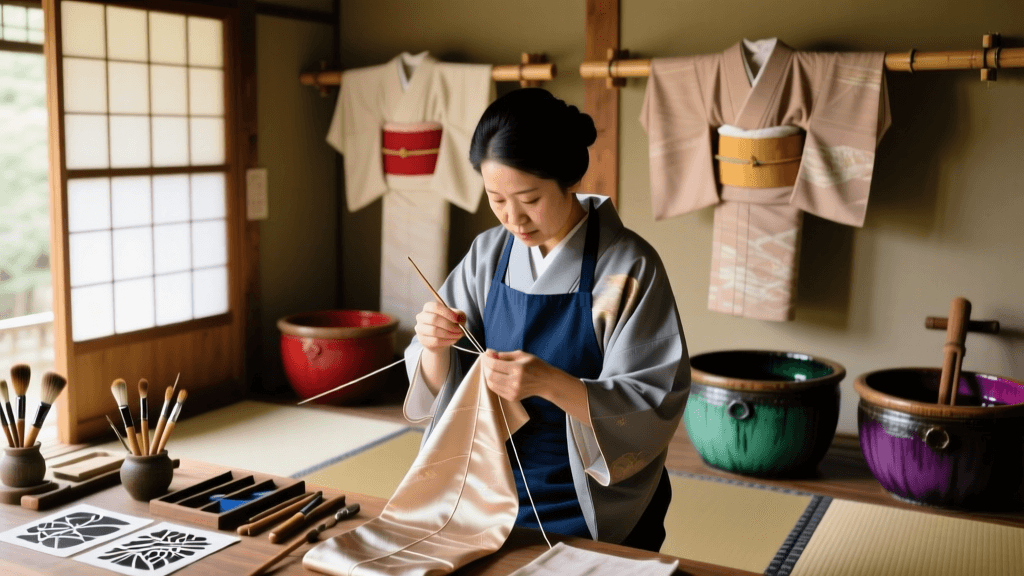
Students begin by applying gojio (soybean juice) to the silk to prevent unwanted ink bleeding. You will then learn to pipe the rice paste resist using specialized metal-tipped cones, creating intricate barriers that keep dyes from mixing. The studio's 2026 three-day intensive seminar (priced at approximately 85,000 JPY) culminates in the steaming and washing processes, revealing a vibrant, hand-painted silk panel suitable for framing or integration into modern garments. The studio provides English-language instruction and all necessary chemical and organic dyes.
Kyoto Wasai Extension Seminars (Tailoring Focus)
For those dedicated to the structural art of the kimono, the extension programs offered in partnership with local Kyoto artisan guilds provide rigorous Wasai training. As noted by historians at the Metropolitan Museum of Art, the kimono's T-shape is deceptively simple; its true complexity lies in the hidden stitches, the precise alignment of woven motifs across seams, and the manipulation of the collar.
The 2026 Kyoto Wasai Extension Seminar is a six-week weekend program designed for intermediate sewists. Participants learn to measure using the traditional shaku (a Japanese ruler roughly 30.3 cm long) and mark fabric using a hera (a blunt bamboo or bone spatula) rather than chalk or pens, ensuring no permanent marks are left on delicate silks like Tango chirimen (silk crepe). The course fee of 120,000 JPY includes a full bolt of high-quality practice cotton and a vintage silk bolt for the final project. Students master the hon-gui (main running stitch) and the chakin-shibori hemming techniques, ultimately constructing a fully lined, wearable kimono.
Global Hybrid Seminars: Learning Wasai from Anywhere
Not everyone can relocate to Japan for a month. Recognizing this, several Kyoto-based artisan collectives have perfected the hybrid seminar model in 2026. These programs combine asynchronous video modules, live Zoom critiques with master tailors, and physical material kits shipped globally.
The 'Virtual Wasai Masterclass' is a standout hybrid program this year. For a fee of 45,000 JPY (plus international shipping), students receive a curated kit containing pre-cut practice fabrics, traditional Japanese sewing needles (wa-bari), silk thread, and a custom-made marking spatula. Weekly live sessions focus on the nuances of tension control—a critical skill in Wasai, where pulling the thread too tightly will pucker the silk, while leaving it too loose will compromise the garment's structural integrity. This hybrid model has become incredibly popular among global fashion design students seeking to incorporate traditional Asian construction methods into contemporary sustainable fashion collections.
Essential 2026 Tool Kit for the Aspiring Kimono Artisan
Whether attending an in-person seminar or a hybrid course, understanding your tools is paramount. Traditional Japanese tailoring requires specialized implements that differ vastly from Western sewing kits. Below is a breakdown of the essential tools you will need to acquire or expect to be provided in your 2026 workshop kits.
| Tool Name | Function | 2026 Average Cost (JPY) | Material / Notes |
|---|---|---|---|
| Shaku (尺) | Measuring fabric and calculating seam allowances. | ¥3,500 - ¥8,000 | Traditionally made of bamboo or hinoki cypress. Features unique Japanese measurements (sun and bu). |
| Hera (箆) | Marking fold lines and seam guides on silk without ink. | ¥1,200 - ¥4,000 | Crafted from polished bamboo, bone, or agate. Creates a temporary, burnished crease on the fabric. |
| Wa-bari (和針) | Hand-stitching long, perfectly straight seams. | ¥800 - ¥2,500 | Longer and thicker than Western needles, designed to handle thick silk threads without bending. |
| Kote (鏝) | Pressing seams open and creating sharp collar folds. | ¥15,000 - ¥35,000 | Modern 2026 versions are electric and temperature-controlled, replacing the traditional charcoal-heated iron. |
| Kakehari (張子) | Securing fabric taut while sewing long seams. | ¥2,000 - ¥5,000 | A wooden tensioning pole clamped to the work table, essential for maintaining even stitch length. |
Booking Tips and Cultural Etiquette for 2026 Workshops
Securing a spot in Kyoto's most prestigious tailoring and dyeing workshops requires advance planning. The 2026 booking windows for intensive spring and autumn seminars typically open six to eight months in advance. It is highly recommended to apply through official cultural tourism portals or direct studio applications, as third-party booking sites often lack the necessary fields for specifying your skill level and language needs.
When attending in-person seminars, observing traditional studio etiquette is just as important as mastering the stitch. Always remove your shoes before entering the tatami-matted sewing rooms, and ensure your hands are meticulously clean and free of heavy lotions, which can stain raw silk. The Victoria and Albert Museum highlights that the creation of a kimono is a deeply respectful dialogue between the artisan and the textile; treating your fabrics, tools, and instructors with reverence is the foundational first step of Wasai.
Furthermore, be prepared for the physical demands of traditional tailoring. Floor-sewing (sitting in seiza or cross-legged at a low table) is still practiced in many traditional Kyoto studios to maintain the proper angle for the kakehari tensioning pole. If you have mobility issues, communicate this during the booking process; many 2026 studios now offer adaptive Western-height tables upon request to ensure accessibility without compromising the traditional techniques.
Conclusion
Learning traditional Asian garment making is a profound journey into the history, mathematics, and philosophy of a culture. The 2026 workshop landscape in Kyoto offers unprecedented access to the guarded secrets of Wasai and Yuzen, bridging the gap between ancient heritage and modern sustainable fashion. Whether you are piping rice paste onto silk crepe or executing the perfect invisible basting stitch, these seminars provide the skills necessary to keep these magnificent textile traditions alive for generations to come.