Pacific Northwest Button Blankets: 2026 Tribal Styles Guide
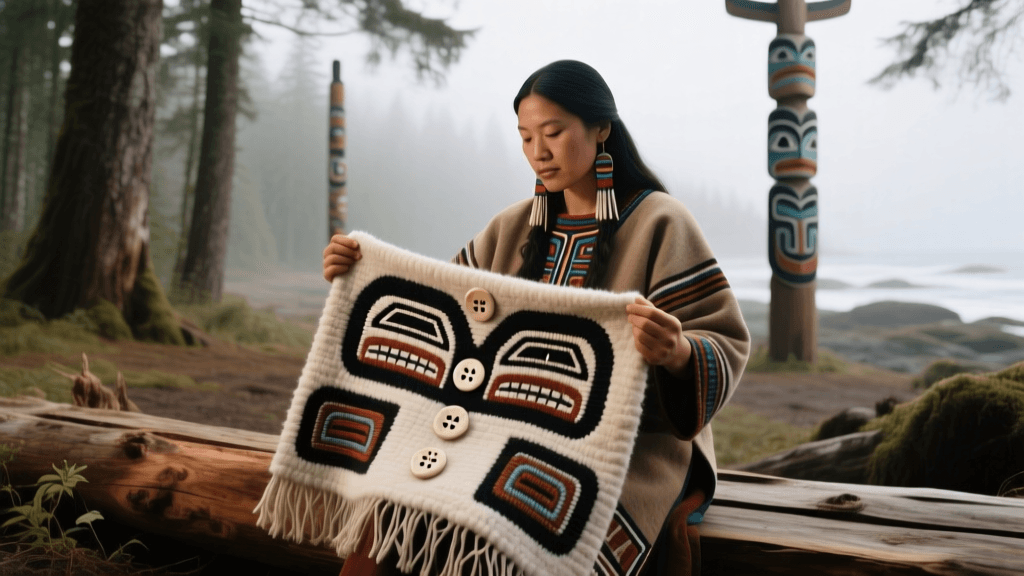
The Pacific Northwest Coast of North America is home to some of the most visually striking and culturally profound traditional garment traditions in the Americas. Among these, the button blanket—often referred to as a dance robe or ceremonial blanket—stands out as a masterwork of Indigenous textile art, clan identity, and spiritual expression. As we navigate the cultural landscape in 2026, the revitalization of Indigenous regalia has reached new heights, with master weavers, appliqué artists, and shell workers producing museum-quality garments for potlatches, graduations, and ceremonial gatherings. This guide explores the regional variations of Pacific Northwest button blankets, offering actionable sourcing advice, material costs, and preservation techniques for collectors, museums, and community members in 2026.
The Anatomy of a Pacific Northwest Button Blanket
Unlike the woven Chilkat and Ravenstail robes that preceded them, button blankets emerged in the late 18th and 19th centuries following the introduction of trade goods by European and American maritime fur traders. The traditional garment is constructed from a heavy, dark navy or black Melton wool broadcloth base. Onto this base, artisans appliqué intricate crest designs using red flannel or broadcloth, outlining the formline shapes with hundreds, sometimes thousands, of mother-of-pearl or abalone shell buttons.
In 2026, the creation of these garments is not merely an act of sewing; it is a profound assertion of sovereignty and clan continuity. The sound of the buttons clinking together during a traditional dance is considered a vital auditory component of the ceremony, connecting the wearer to their ancestors.
Regional and Tribal Variations in Ceremonial Robes
The Pacific Northwest Coast is not a monolith. Garment traditions shift dramatically depending on the linguistic and cultural region.
Haida and Tlingit (Northern Northwest Coast)
In the northern regions encompassing Haida Gwaii and Southeast Alaska, the button blanket is heavily influenced by the strict rules of Northern Formline art. The designs are characterized by continuous, flowing lines, ovoids, and U-shapes that represent clan crests such as the Raven, Eagle, Bear, or Killer Whale. According to the Sealaska Heritage Institute, contemporary Tlingit and Haida artists in 2026 are increasingly integrating traditional mountain goat wool weaving borders into their broadcloth robes, bridging the gap between ancient weaving techniques and modern appliqué. The color palette remains fiercely traditional: stark black backgrounds with vibrant red appliqué and the iridescent white of pearl buttons.
Kwakwaka'wakw and Nuu-chah-nulth (Central and Southern Coast)
Moving south to Vancouver Island and the adjacent mainland, Kwakwaka'wakw and Nuu-chah-nulth button blankets often feature bolder, more graphic representations of supernatural beings. Motifs such as the Dzunukwa (Wild Woman of the Woods), the Thunderbird, and the Sisiutl (double-headed serpent) are prominent. Central Coast artisans frequently incorporate copper accents and larger, polished abalone shell inlays rather than relying solely on small buttons. The garments are often designed to accommodate the dramatic, theatrical movements of the Winter Ceremonies, requiring specific tailoring around the shoulders to allow for unrestricted arm movement during transformation dances.
Coast Salish (Interior and Southern Coast)
Coast Salish regalia differs significantly from the formline-based traditions of the north. Salish button blankets and dance shawls often feature geometric patterns, floral motifs, and the iconic Spindle Whorl design. In 2026, there is a massive movement among Salish weavers to reclaim pre-contact weaving techniques, integrating hand-spun mountain goat and sheep wool directly into the ceremonial garments, moving away from commercial broadcloth entirely for certain high-status robes.
2026 Material Sourcing and Market Pricing
For those looking to commission an authentic garment or source materials for community regalia-making workshops, understanding the 2026 market is crucial. The cost of authentic, ethically sourced natural materials has risen, reflecting the true value of Indigenous labor and sustainable harvesting.
| Material | 2026 Average Cost | Sourcing Notes & Measurements |
|---|---|---|
| Melton Wool Broadcloth | $45 - $75 / yard | Requires 4-6 yards for a standard adult robe (approx. 52x60 inches). Must be 100% wool for proper drape. |
| Mother-of-Pearl Buttons | $25 - $40 / gross | Sourced from specialized PNW suppliers. Sizes range from 12mm to 20mm for outlining formline ovoids. |
| Abalone Shell Accents | $120 - $200 / lb | Strictly regulated. Must be harvested by tribal members with proper permits. Used for 3D inlay and fringe. |
| Red Flannel Appliqué | $15 - $22 / yard | Used for the inner shapes of the crest. Must be pre-washed to prevent bleeding onto the black wool. |
Commissioning a Garment: Crest Rights and Cultural Protocols
The most critical aspect of acquiring a Pacific Northwest button blanket in 2026 is understanding the legal and spiritual framework of crest rights. In Indigenous Northwest Coast cultures, crests are not merely decorative patterns; they are intellectual property, spiritual titles, and historical records owned by specific clans and families.
If you are an Indigenous community member commissioning a robe for a potlatch or graduation, you must work with an artist who respects and verifies your right to wear a specific crest. For non-Indigenous collectors, museums, or institutions, it is a strict cultural protocol that you do not commission or purchase robes bearing specific clan crests (like a specific lineage's Raven or Bear) unless the artist has created a generalized, non-proprietary design specifically for the commercial art market.
When commissioning, expect a timeline of 12 to 18 months. Master artists in regions like Alert Bay, Hydaburg, and Juneau are often booked years in advance for major potlatches. Prices for fully beaded, master-crafted adult robes in 2026 typically range from $4,500 to over $15,000, depending on the complexity of the appliqué and the volume of abalone shell used.
Preservation and Archival Storage
Caring for a button blanket requires an understanding of both textile and shell conservation. The Burke Museum emphasizes that the primary enemies of these garments are moth infestations (which target the wool) and tarnishing or delamination of the shell buttons.
- Storage Environment: Store the robe flat in an acid-free, archival textile box. Never hang a heavy button blanket by the shoulders, as the weight of the hundreds of glass or shell buttons will warp and tear the Melton wool over time.
- Humidity Control: Maintain a relative humidity of 45-55%. High humidity can cause the cotton threading used to secure the buttons to rot, while extreme dryness can make the wool brittle.
- Pest Management: Use cedar blocks or frozen-treatment protocols to manage moth risks. Never apply chemical mothballs, as the off-gassing will permanently damage the iridescent finish of the abalone and pearl buttons.
- Cleaning: Never dry clean or machine wash a ceremonial robe. Spot clean the broadcloth with a mild, pH-neutral textile detergent and a soft brush, avoiding the button clusters entirely.
"The button blanket is a living garment. It is not meant to be locked away in a glass case; it is meant to move, to sound, and to witness the continuation of our people. When we sew these robes today, we are stitching our future generations into the fabric of our history." — Contemporary Haida Regalia Maker, 2026.
Conclusion
The Pacific Northwest button blanket remains one of the most dynamic and powerful garments in the Americas. Whether you are studying the intricate formline appliqué of the Tlingit, the bold supernatural motifs of the Kwakwaka'wakw, or the geometric weaving integrations of the Coast Salish, these robes offer a profound window into Indigenous resilience and artistic brilliance. As the Indigenous art market continues to evolve in 2026, prioritizing ethical sourcing, respecting crest protocols, and supporting master artisans ensures that these magnificent textile traditions will continue to dance in the firelight for centuries to come. For further research on historical trade blankets and contemporary Indigenous fashion, the Smithsonian National Museum of the American Indian offers extensive digital archives and educational resources.