The Ultimate Xi An Hanfu Guide: Where to Rent & Shop in 2026

The Allure of Chang'an: Why Xi'an is the Hanfu Capital
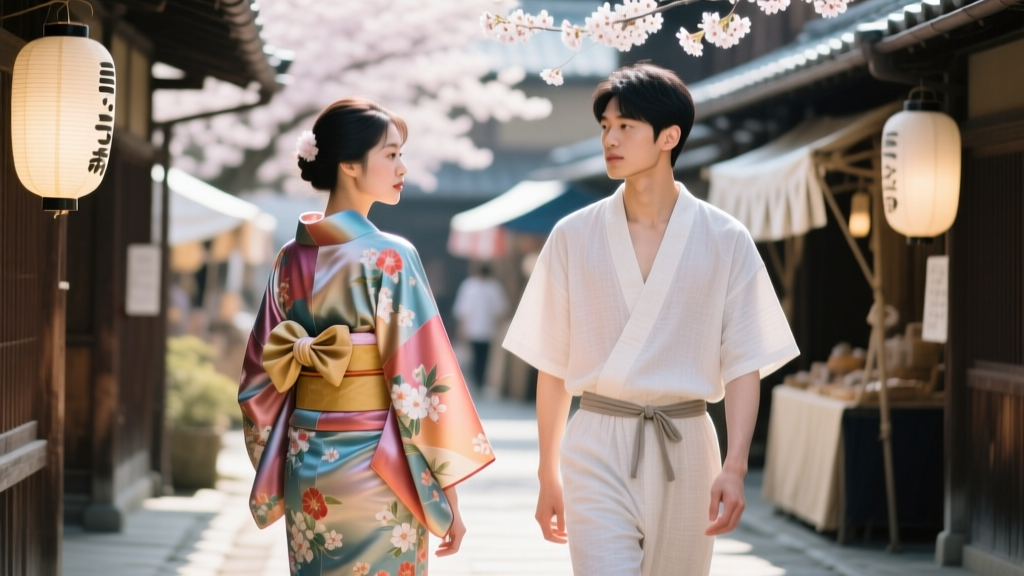
Walking through the illuminated streets of Xi'an at night feels like stepping through a temporal rift into the Tang Dynasty (618–907 AD). Once known as Chang'an, this ancient capital was the cosmopolitan heart of the Silk Road. Today, it is the undisputed epicenter of China's Hanfu Yundong (Hanfu movement). For travelers and cultural enthusiasts, navigating the Xi An hanfu market in 2026 offers an unparalleled opportunity to wear, buy, and experience historically inspired garments against the backdrop of the very city where they originated over a millennium ago.
Unlike other Chinese cities where Hanfu is worn primarily for festivals or photoshoots, Xi'an has integrated traditional dress into its daily urban fabric. From the Bell Tower to the City Wall, thousands of locals and tourists don Tang-style silhouettes daily. However, the sheer volume of rental shops, retail boutiques, and varying quality levels can be overwhelming. This comprehensive guide decodes the Xi'an Hanfu market, detailing where to shop, what to look for, and how to ensure cultural and historical authenticity.
Tang Dynasty Silhouettes: What to Look for in Xi'an
While you can find Ming and Song dynasty styles in Xi'an, the local market heavily favors Tang Dynasty aesthetics. The garments reflect an era of immense wealth, cultural exchange, and relaxed social mores, characterized by vibrant colors, bold patterns, and flowing drapery. According to textile archives at the China National Silk Museum, Tang weaving techniques like zhijin (gold-woven brocade) heavily influence the premium garments sold in Xi'an today.
Qixiong Ruqun (Chest-High Skirt)
The quintessential Xi'an feminine silhouette. The Qixiong Ruqun features a high-waisted skirt tied above the bust, creating an elongated, elegant profile. It is typically paired with a Shan (short-sleeved blouse) or Banbi (half-sleeve vest). When shopping, check the skirt's pleating; high-quality versions use heat-set knife pleats in silk-blend jacquard, while cheaper rentals use stiff, unbreathable polyester.
Yuanlingpao (Round-Collar Robe)
Reflecting the Sogdian and Central Asian influences of the Silk Road, the Yuanlingpao is a round-collared robe worn by both men and women in the Tang era. The Metropolitan Museum of Art notes that these robes often featured side slits for horseback riding and distinct lapel folding. In Xi'an, you will find stunning leather-tooled belts and woven diexie (functional hanging belts) paired with these robes, perfect for exploring the rugged aesthetics of the ancient frontier.
The Essential Pibo (Silk Shawl)
No Tang ensemble is complete without the Pibo, a long, lightweight silk or chiffon shawl draped over the arms and shoulders. Originally popularized by Buddhist iconography and court dancers, the Pibo adds kinetic movement to the garment. Look for hand-painted gradients or gold-foil stamped motifs when purchasing your own.
Renting vs. Buying: The Xi'an Hanfu Economics
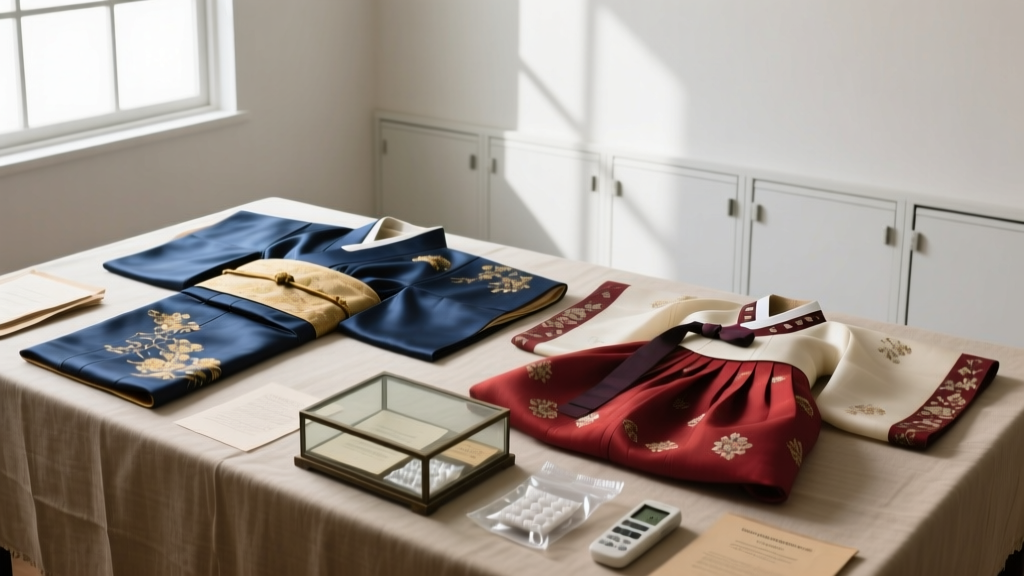
Xi'an's market is unique because its rental infrastructure is just as robust as its retail sector. Most visitors opt for a rental package that includes professional styling, but serious collectors and enthusiasts will find exceptional retail boutiques. Below is a breakdown of the current pricing landscape for 2026.
| Service Tier | Price Range (RMB / USD) | Inclusions | Best For |
|---|---|---|---|
| Basic Rental | ¥150 - ¥250 / $20 - $35 | Garment set only (no styling). 24-hour return. | Budget travelers, those with own makeup skills. |
| Premium Zhuangzao Package | ¥399 - ¥699 / $55 - $100 | Premium silk garments, full historical makeup, hair extensions, and accessories. | First-timers, photoshoots, Datang Everbright City visits. |
| Off-the-Rack Retail | ¥300 - ¥800 / $40 - $110 | Purchase of standard Hanfu sets (polyester/silk blends). | Enthusiasts wanting a quality souvenir to take home. |
| Bespoke / Artisan Silk | ¥2,000 - ¥5,000+ / $280 - $700+ | Custom-tailored, 100% mulberry silk, authentic brocade weaving. | Collectors, cultural preservationists, luxury buyers. |
Where to Experience and Shop: District by District
Knowing which neighborhood to visit dictates the type of Xi An hanfu experience you will have. The city is segmented into distinct commercial zones, each catering to different needs.
Datang Everbright City (The Immersive Hub)
This pedestrian district is a neon-lit homage to Tang Dynasty Chang'an. It is densely packed with hundreds of rental shops. Pro Tip: Avoid the shops directly on the main thoroughfare, as they charge a premium for high-foot-traffic. Walk two streets back into the alleys of the Yintai Department Store area to find indie rental studios with better garment maintenance and more personalized Zhuangzao (makeup and hair) artists.
Xiaozhai and Luomashi (The Retail Centers)
If your goal is to purchase a garment to take home, skip the tourist traps and head to Xiaozhai. The underground malls and surrounding streets are home to independent Hanfu brands and Taobao-backed brick-and-mortar stores. Here, you can inspect the stitching, feel the fabric weight, and negotiate prices. Luomashi offers a more curated, boutique experience, featuring established brands like Shisanyu and Zhongling Zhiji, which are renowned for their historical accuracy and premium textiles.
Navigating the Zhuangzao (Makeup and Hair) Experience
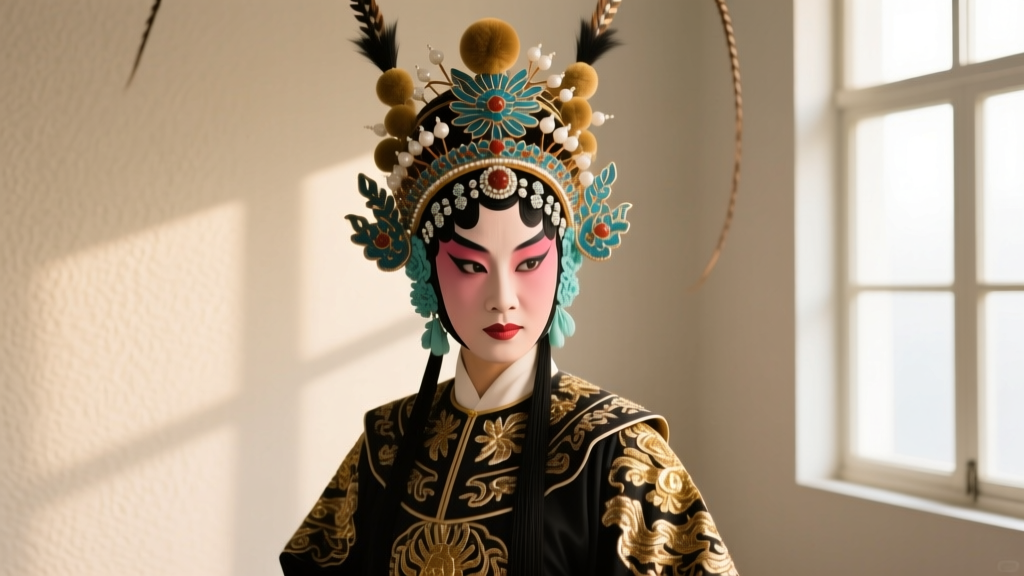
In Xi'an, renting the clothes is only half the equation; the Zhuangzao is where the artistry lies. Tang Dynasty makeup was bold, experimental, and highly codified. A reputable Xi'an studio will offer historically accurate options rather than generic "ancient Chinese" fantasy makeup.
- Huadian (Floral Applique): Ask for authentic forehead decals made from gold leaf, paper, or fish scales, rather than cheap plastic stickers.
- Xieya (Slanting Rouge): A distinct Tang makeup style where red blush is swept from the cheeks up to the temples, mimicking the flush of wine or exertion.
- Hair Architecture: Tang court women wore elaborate updos like the Gaoji (high bun). Studios use wireframes and hairpieces to achieve this volume without pulling your natural hair. Ensure the stylist uses wooden or resin Zanzi (hairpins) rather than heavy, cheap metal alloys.
Cultural Etiquette and Authenticity Checks
As the Hanfu movement matures, the distinction between historically informed garments and Xianfu (fantasy/studio wear inspired by wuxia dramas) has become a point of pride for wearers. When shopping in Xi'an, use these metrics to evaluate authenticity:
The Rule of Jiaoling Youren
Authentic Hanfu must follow the jiaoling youren principle: the left side of the collar must cross over the right side. This is a foundational tenet of traditional Chinese dress, deeply rooted in ancient philosophical concepts of yin and yang. A right-over-left collar is strictly reserved for funerary garments. If a shop hands you a robe with the wrong lapel orientation, it is a mass-produced costume, not Hanfu.
Flat Pattern Cutting
Traditional Chinese garments are constructed using flat-pattern cutting. Unlike Western tailoring, which uses darts and curved seams to mold fabric to the body's three-dimensional shape, Hanfu relies on the natural drape of the fabric, gussets, and tying systems to create volume. Run your hands along the bodice; if you feel structured darts or hidden zippers, you are looking at a modern fusion garment or stage costume.
Respecting the Living Tradition
While wearing Hanfu in Xi'an is a joyous, celebratory act, it is important to remember that for many locals, this is a profound reclamation of cultural identity. The Shaanxi History Museum frequently hosts exhibitions detailing the exact textile fragments and pottery figurines that inform today's reproductions. Taking an hour to visit the museum before your shopping trip will not only deepen your appreciation for the garments but also give you the vocabulary to converse knowledgeably with boutique owners and artisans about the specific dynastic markers of the clothing you wish to acquire.
"To wear Hanfu in Xi'an is to participate in a dialogue across centuries. The garments are not mere costumes; they are woven archives of a civilization's aesthetic zenith." — Curatorial Notes on Tang Textiles, Shaanxi History Museum Archives.
Final Tips for Your 2026 Xi'an Hanfu Journey
Book your Zhuangzao appointments at least 48 hours in advance, especially if visiting during the Spring Festival or National Day holidays. Bring your own comfortable, flat walking shoes; Tang-style cloth boots are beautiful but lack the arch support needed for walking the 13.7 kilometers of the Xi'an City Wall. Finally, embrace the experience. The people of Xi'an are immensely proud of their heritage, and donning the silks of Chang'an is the most respectful and immersive way to honor the living history of this magnificent city.