Traditional Chinese Clothing for Women: A Historical Guide

The Living Legacy of Women's Hanfu (汉服)
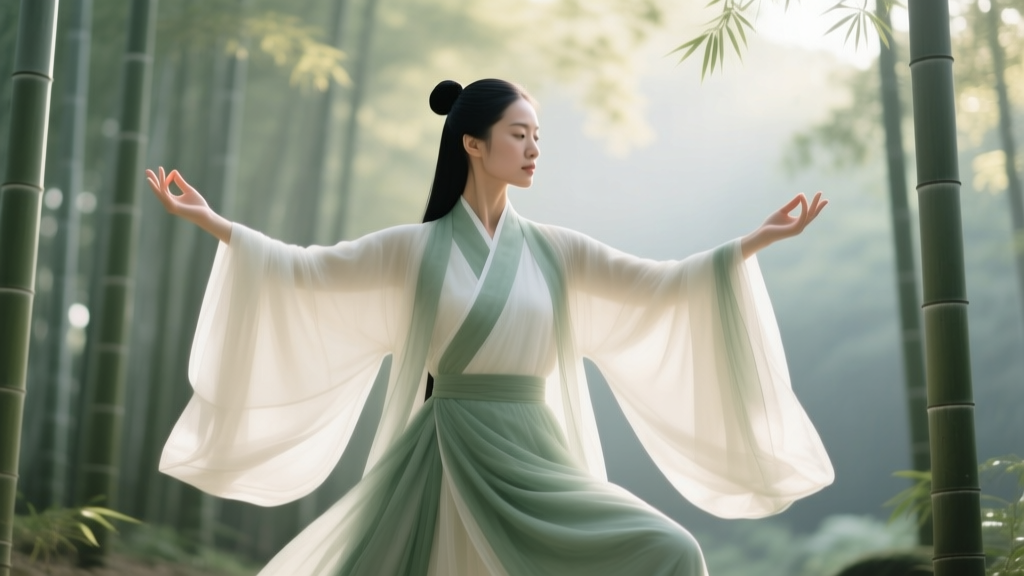
When discussing traditional Chinese clothing for women, the conversation must begin with Hanfu (汉服), the historical dress of the Han Chinese people. Spanning over three millennia, Hanfu is not a single monolithic garment, but rather a complex sartorial system that evolved through the Han, Tang, Song, and Ming dynasties. Unlike Western historical dress, which often relied on corsetry and structured tailoring to shape the body, traditional Hanfu prioritizes fluidity, drape, and the natural fall of the fabric.
Shenyi and Ruqun: Structural Foundations
The foundation of women's Hanfu rests on two primary silhouettes: the Shenyi (深衣) and the Ruqun (襦裙). The Shenyi is a one-piece robe that connects the upper garment and lower skirt, symbolizing the unity of heaven and earth. In contrast, the Ruqun is a two-piece ensemble consisting of a cross-collared blouse (ru) and a wrap-around skirt (qun). During the prosperous Tang Dynasty (618–907 CE), women popularized the Qixiong Ruqun (齐胸襦裙), a chest-high skirt tied securely above the bust, often paired with a Pibo (帛画), a sheer silk shawl draped elegantly over the arms. This silhouette reflected the era's cosmopolitan openness and appreciation for voluminous, flowing textiles.
The Crucial Rule of Youren (右衽)
The most vital cultural protocol in wearing Hanfu is the concept of Jiaoling Youren (交领右衽), or the 'cross-collar, right lapel.' The left side of the garment must always cross over and cover the right side, securing at the right waist. In traditional Chinese cosmology, the left represents the living and the yang energy, while the right represents the yin. Reversing this to Zuoren (左衽)—where the right lapel crosses over the left—is strictly reserved for dressing the deceased for burial or was historically used to denote non-Han nomadic tribes. Understanding this distinction is paramount for anyone wearing or studying traditional Chinese clothing for women today.
The Qipao (旗袍): A Tale of Two Cities
While Hanfu represents ancient antiquity, the Qipao (旗袍)—known in the West as the cheongsam—represents China's turbulent and glamorous transition into modernity. Originating from the loose, A-line changpao (long robe) worn by Manchu women during the Qing Dynasty (1636–1912), the Qipao was radically reimagined in the 1920s.
Jingpai vs. Haipai Tailoring
The evolution of the Qipao is best understood through its two dominant regional styles:
- Jingpai (Beijing Style): Rooted in the capital, this style remains conservative and traditional. It features a looser, A-line fit, heavier brocade fabrics, and elaborate, hand-embroidered motifs. It prioritizes modesty and aristocratic elegance.
- Haipai (Shanghai Style): Born in the cosmopolitan hub of 1920s Shanghai, tailors integrated Western sartorial techniques, such as bust darts, set-in sleeves, and waist suppression. The result was a form-fitting silhouette with high side slits, celebrating the female form and reflecting the era's feminist movements and jazz-age modernity.
'The modern Qipao was not merely a fashion statement; it was a sartorial declaration of independence by Chinese women in the 1920s, who adopted and tailored the male scholar's robe to claim equal social and intellectual standing.' — Archival notes from the China National Silk Museum.
Central to the Qipao's construction are the Pankou (盘扣), or frog closures. These intricate, hand-knotted silk fasteners are not just functional; they are highly symbolic. A butterfly knot represents romance and joy, while a lotus knot signifies purity and spiritual enlightenment. Crafting a single set of bespoke Pankou can take an artisan several hours.
Textile Mastery: Xiangyunsha and Song Brocade
The cultural weight of traditional Chinese clothing for women is inextricably linked to its textiles. Two fabrics stand out for their historical significance and artisanal complexity:
Xiangyunsha (香云纱): Known as 'gambiered Canton silk,' this UNESCO-recognized intangible cultural heritage fabric hails from Guangdong province. The silk is dyed repeatedly with the tannin-rich juice of the Dioscorea cirrhosa root, then coated with iron-rich river mud and baked in the sun. The chemical reaction creates a distinctive crackled, leathery texture that is waterproof, deeply lustrous, and rustles softly when worn. It is highly prized for premium Qipaos.
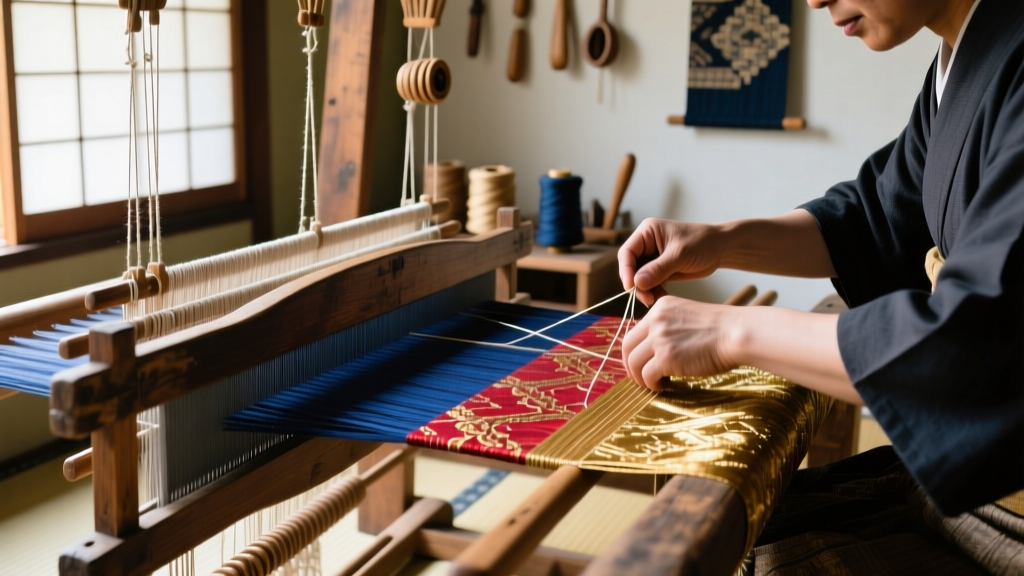
Song Brocade (宋锦): Originating in the Song Dynasty, this intricate weave features geometric frameworks filled with floral or auspicious motifs. Unlike the flamboyant gold threads of later Ming and Ming brocades, Song brocade is characterized by its subdued, elegant color palettes and matte finish, making it a favorite for scholarly and formal Ruqun jackets.
Comparative Guide to Women's Chinese Garments
| Garment | Era of Origin | Key Structural Features | Cultural Occasion |
|---|---|---|---|
| Hanfu (Ruqun) | Han to Ming (206 BCE – 1644 CE) | Cross-collar, right lapel, wide sleeves, sash ties (no buttons). | Traditional festivals, tea ceremonies, coming-of-age rites (Jili). |
| Qipao (Cheongsam) | 1920s Shanghai (Qing roots) | Mandarin collar, Pankou frog closures, side slits, western darts. | Weddings, formal banquets, diplomatic events, Lunar New Year. |
| Tang Suit (Tangzhuang) | Late 20th Century (Hybrid) | Manchu riding jacket base, standing collar, western shoulder seams. | Casual Lunar New Year gatherings, cultural performances. |
Sourcing Authentic Pieces: Artisans and Price Tiers
For collectors, historians, and enthusiasts looking to acquire authentic traditional Chinese clothing for women, understanding the market tiers is essential to avoid mass-produced, culturally inaccurate costumes. According to textile archives at the Victoria and Albert Museum, the integrity of the weave and the precision of the embroidery are the primary markers of value.
Investment Guide and Cost Breakdown
- Entry-Level / Mass Market ($30 – $80 USD): Typically made from polyester or synthetic blends. While accessible for casual cosplay or photography, these garments lack breathability, accurate historical drape, and traditional tailoring techniques. Often feature machine-printed 'embroidery' and incorrect collar alignments.
- Mid-Tier Artisan ($150 – $400 USD): Sourced from specialized Hanfu brands in Hangzhou and Chengdu. These pieces use genuine mulberry silk, linen, or high-grade rayon blends. They feature accurate historical patterning, proper Youren alignment, and hand-finished seams. Ideal for serious cultural practitioners.
- Bespoke & Heritage Tier ($800 – $3,000+ USD): Commissioned directly from master tailors in Suzhou or Shanghai. This tier includes authentic Xiangyunsha silk Qipaos, hand-embroidered Su-style (Suzhou embroidery) motifs using real gold and silver threads, and custom-fitted Pankou knots. These are investment-grade heirlooms.
When purchasing a Qipao, always inquire about the 'grain line' of the fabric. A master tailor will cut the silk on the bias or ensure the motifs align perfectly across the side seams and closures—a hallmark of high-end Haipai tailoring that mass manufacturers routinely ignore.
Archival Sources and Further Reading
To deepen your understanding of historical Chinese dress, textile conservation, and regional embroidery techniques, consult the following authoritative institutions:
- China National Silk Museum (Hangzhou): The premier institution for the study of the Silk Road's textile history, featuring extensive archives on Song Brocade and traditional dyeing techniques.
- Victoria and Albert Museum (Asian Collections): Houses an exceptional collection of 18th and 19th-century Qing dynasty court robes and early 20th-century Shanghai Qipaos, complete with conservation notes on silk degradation.
- The Palace Museum, Beijing (Forbidden City): Offers unparalleled digital and physical archives of imperial Manchu court dress, detailing the strict sumptuary laws that dictated color, motif, and fabric use for women of the Qing court.
By respecting the historical protocols, understanding the structural nuances, and supporting authentic artisan cooperatives, we ensure that the profound legacy of traditional Chinese clothing for women continues to be celebrated with the dignity and accuracy it deserves.