Vietnamese Qipao & Áo Dài Care: Silk Maintenance Guide

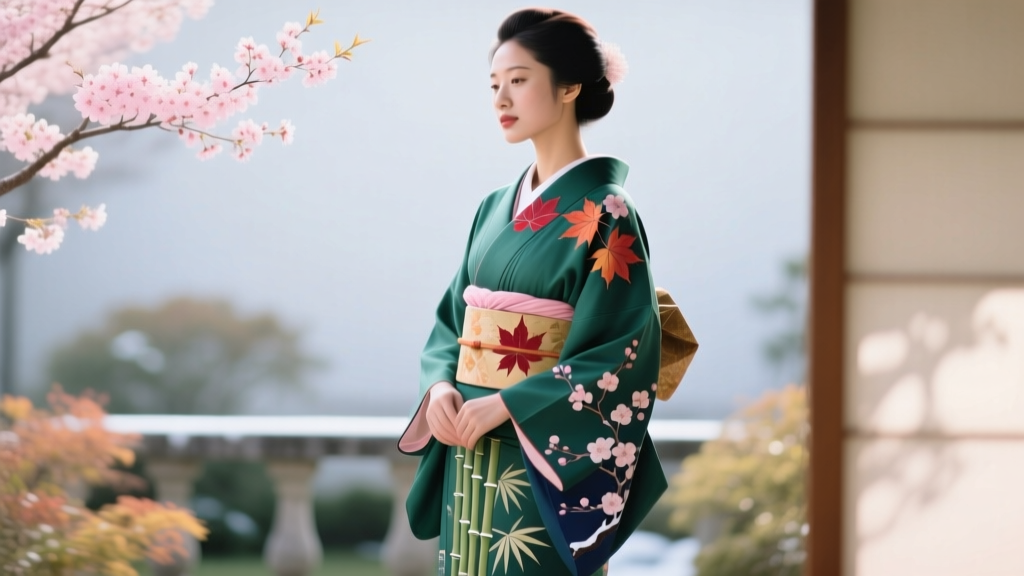
When discussing traditional Asian garments, the term Vietnamese qipao often emerges in Western search queries, representing a fascinating sartorial intersection. Culturally and historically, the qipao (or cheongsam) is a distinctly Chinese garment. However, its modern, form-fitting silhouette shares a deep, parallel evolutionary history with Vietnam’s national dress, the Áo Dài. In the 1930s, Vietnamese artist Cát Tường (known as Lemur) modernized the traditional five-panel Áo Ngũ Thân, drawing inspiration from French tailoring and the modernizing Chinese qipao to create the contemporary Áo Dài. Furthermore, Vietnam’s ethnic Chinese minority (the Hoa people) have worn the qipao for generations, creating a unique Sino-Vietnamese textile heritage.
Whether you are caring for a vintage Hoa community qipao, a modern silk Áo Dài, or a contemporary Sino-Vietnamese fusion piece, these garments share critical structural elements: the stiff Mandarin collar (cổ đứng), form-fitting bodices, delicate frog knots or hidden snaps, and sweeping side slits (tà xẻ). Maintaining these structural and textile elements requires specialized knowledge. This comprehensive care guide will teach you how to preserve the integrity, drape, and historical value of these exquisite garments.
The Sartorial Intersection: Understanding Your Garment's Anatomy
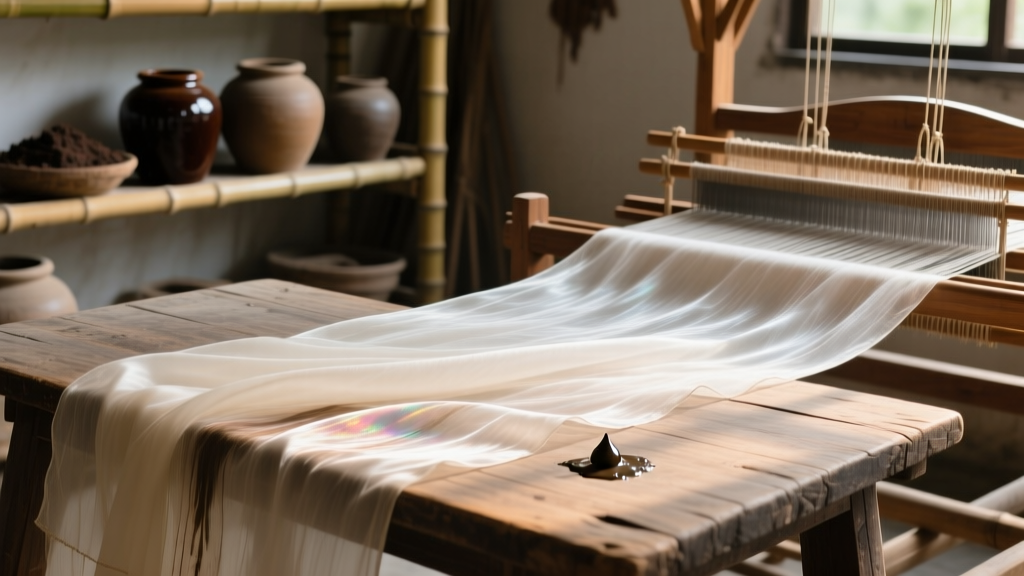
Before applying water or heat to your garment, it is vital to understand its construction. Both the qipao and the Áo Dài rely on precise tailoring to achieve their elegant silhouettes without restricting movement. The Vietnam Museum of Ethnology notes that traditional Vietnamese garments were historically cut from narrow looms of silk, requiring intricate piecing that modern tailors still emulate for structural integrity.
The most vulnerable areas of these garments are the Mandarin collar, which contains stiff interfacing that can warp or melt under high heat, and the frog knots (nút tàu), which are hand-woven from silk cords and prone to fraying and unraveling if subjected to aggressive washing. Understanding these stress points is the first step in proper garment conservation.
Fabric Identification: What is Your Garment Made Of?
Care protocols must be dictated by the textile. Vietnamese and Chinese silk artisans utilize distinct weaving techniques that react differently to water and agitation.
Silk vs. Synthetic Blends vs. Brocade
| Fabric Type | Native Term | Characteristics | Primary Care Protocol |
|---|---|---|---|
| Hà Đông Silk | Lụa Hà Đông | Lightweight, breathable, high sheen, prone to water spotting. | Gentle hand-wash in distilled water; air dry flat. |
| Thai Tuan Brocade | Gấm | Heavy, textured, metallic threads, stiff drape. | Dry clean only; steam lightly to remove creases. |
| Organza | Lụa tơ cứng | Sheer, crisp, highly structured, easily snags. | Spot clean or professional dry clean; never wring. |
| Modern Blends | Vải pha | Polyester-spandex mixes, durable, matte finish. | Machine wash on delicate cold cycle; low tumble dry. |
According to textile conservation guidelines from the Metropolitan Museum of Art's Textile Conservation Department, natural protein fibers like silk are highly sensitive to alkaline environments. Therefore, standard laundry detergents, which are alkaline, will permanently strip the sericin (silk gum) from your Vietnamese qipao or Áo Dài, resulting in a loss of luster and tensile strength.
Washing Protocols for High-Collared Silks
If your garment is made of pure silk (and lacks heavy metallic brocade or stiff, glued interfacing), hand-washing is preferable to dry cleaning, as the harsh chemicals used in commercial dry cleaning (like perc) can degrade silk fibers over time.
The Expert Hand-Washing Method
- Preparation: Fill a clean basin with lukewarm water (maximum 30°C / 86°F). Use distilled or filtered water if your local tap water is hard, as mineral deposits cause permanent white rings on dark silks.
- Detergent Selection: Add a pH-neutral, enzyme-free detergent specifically formulated for protein fibers (such as Eucalan or a dedicated silk wash). Never use biological detergents or bleach.
- Agitation: Submerge the garment. Gently press the water through the fabric for no more than 3 to 5 minutes. Never twist, wring, or scrub the fabric, especially around the side slits and hemlines.
- Rinsing: Drain the soapy water and refill with cool, clean water. Repeat until the water runs clear. Adding a tablespoon of white vinegar to the final rinse can help restore the silk's natural pH and shine.
- Drying: Roll the garment in a clean, dry microfiber towel to gently press out excess moisture. Lay the garment flat on a drying rack away from direct sunlight, which causes rapid UV fading.
Ironing and Steaming: Preserving the Mandarin Collar
The crispness of the cổ đứng (Mandarin collar) and the smooth drape of the front panels are defining features of both the qipao and the Áo Dài. Improper ironing can flatten the fabric's natural texture or melt internal structural elements.
Steaming vs. Ironing
A handheld garment steamer is the safest tool for removing wrinkles from delicate silks and heavy brocades. Hold the steamer at least two inches away from the fabric, allowing the steam to relax the fibers without applying direct pressure.
If you must use an iron, follow these strict parameters:
- Set the iron to the 'Silk' or 'Low' setting (approximately 110°C / 230°F).
- Always turn the garment inside out.
- Place a clean, white cotton pressing cloth (or muslin) between the iron and the silk to prevent scorch marks and shine.
- For the Mandarin collar, insert a tailor's ham or a tightly rolled cotton towel inside the neck opening. This provides a curved surface that prevents the collar from being pressed flat and maintains its structural arch.
- Never leave the iron stationary on the fabric, even for a second.
Storage Solutions for Form-Fitting Silhouettes
How you store your Vietnamese qipao or Áo Dài between wearings is just as critical as how you wash it. The Asian Art Museum emphasizes that improper storage is the leading cause of historical textile degradation.
- Hangers: Never use wire or thin plastic hangers. The weight of the garment, particularly heavy brocades, will cause the shoulders to stretch and distort. Use wide, padded wooden hangers covered in unbleached cotton muslin.
- Garment Bags: Store the garment in a breathable, 100% cotton garment bag. Avoid plastic dry-cleaning bags entirely; plastic traps ambient humidity, leading to mold growth, and emits off-gassing chemicals that cause silk to yellow.
- Long-Term Archival Storage: If storing the garment for more than a few months, do not hang it. The gravity-induced stress on the side seams and shoulder seams will cause permanent micro-tears. Instead, fold the garment gently, padding the folds with acid-free, unbuffered tissue paper to prevent hard creases that can eventually fracture the silk fibers. Place it in an archival-quality, acid-free cardboard textile box.
Troubleshooting Common Garment Issues
Even with meticulous care, vintage and frequently worn garments may develop specific issues. Here is how to address them safely.
| Issue | Cause | Expert Resolution |
|---|---|---|
| Collar Yellowing | Absorption of skin oils and cosmetics over time. | Apply a paste of cornstarch and water to the stain, let dry, and brush off. For severe cases, consult a professional textile conservator. |
| Water Spotting | Mineral deposits from tap water or rain. | Lightly mist the entire garment panel with distilled water using a spray bottle to blend the spot, then air dry flat. |
| Fraying Frog Knots | Mechanical friction from repeated fastening and unfastening. | Apply a microscopic drop of clear, flexible fabric glue to the fraying ends. If the knot is entirely broken, seek a tailor specializing in traditional Sino-Vietnamese tailoring for a replacement. |
| Snags in Organza | Contact with jewelry or rough surfaces. |
Investing in Professional Conservation
For vintage pieces, heavily embroidered wedding Áo Dàis, or antique qipaos with metallic thread work, home care is often too risky. Professional textile cleaning and restoration services typically range from $45 to $120 USD, depending on the complexity of the beadwork and the severity of the staining. When seeking a cleaner, bypass standard commercial dry cleaners and look for specialists certified in heritage garment conservation or bridal couture preservation. Always inquire about their solvents and ensure they use eco-friendly, silk-safe hydrocarbon alternatives rather than harsh perchloroethylene.
By understanding the shared history and delicate construction of the Vietnamese qipao and Áo Dài, you ensure that these magnificent symbols of Asian sartorial elegance remain vibrant, structurally sound, and ready to be passed down to the next generation.