Vietnamese Ao Dai: Symbol of Grace
Introduction
The ao dai — a long, fitted tunic worn over flowing trousers — is Vietnam's most iconic garment. Worn by schoolgirls, office workers, and brides alike, it bridges centuries of Vietnamese culture while remaining thoroughly modern.
Historical Origins
The modern ao dai evolved from the ao ngu than, a five-paneled dress worn during the Nguyen Dynasty (1802-1945). In the 1930s, artist Cat Tuong (Le Mur) redesigned it with raglan sleeves and a fitted bodice, creating the silhouette recognized today.
Construction and Fit
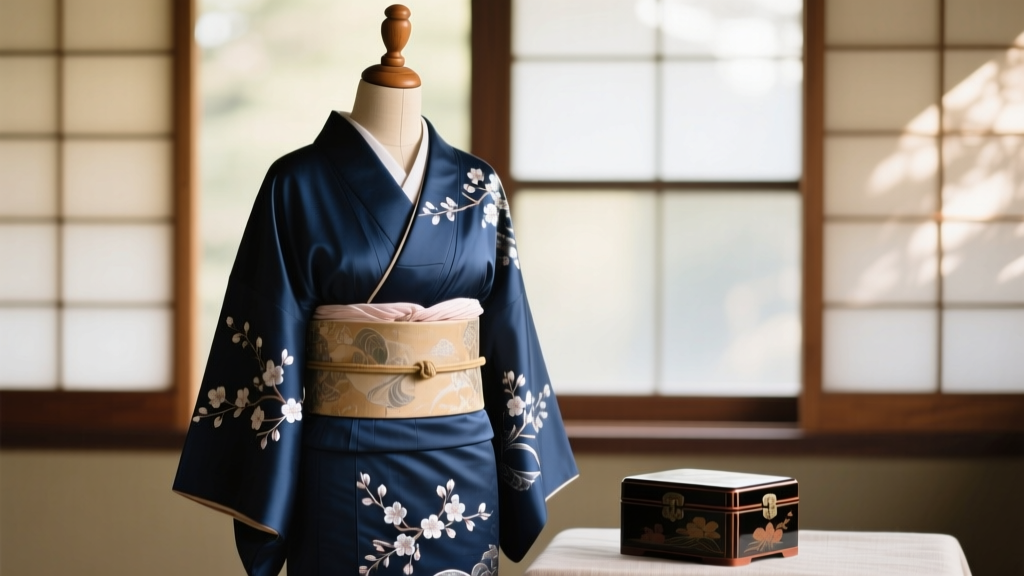
An ao dai consists of a long tunic with mandarin collar, fitted through the bodice and flaring from the waist, worn over wide-legged silk trousers. The tunic reaches to the ankles with side slits above the waist. Tailoring is crucial — each ao dai is custom-fitted to the wearer's measurements.
Modern Usage
The ao dai serves multiple roles in contemporary Vietnamese life:
- White ao dai: high school girls' daily uniform
- Red ao dai: Tet celebrations and wedding ceremonies
- Pastel ao dai: office wear for professional women
- Embroidered ao dai: formal events and cultural festivals
Conclusion
The ao dai endures because it adapts. Designers continuously reinvent it with new fabrics, prints, and silhouettes while maintaining its essential character. In Vietnam, wearing an ao dai is an act of cultural pride that transcends generations.