Áo Dài: Vietnam's Iconic Dress Through Time
Claire Fontaine·Published ·Updated

A National Symbol in Fabric
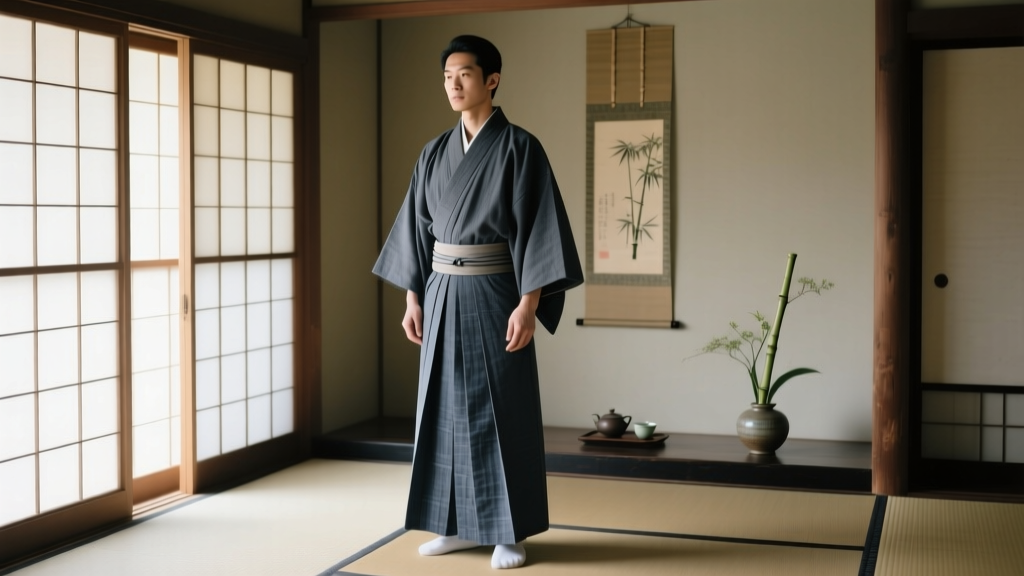
The áo dài—a fitted tunic worn over flowing trousers—is Vietnam's most recognized garment. Its evolution mirrors the country's cultural and political journey.
Historical Roots
The áo dài traces to the áo ngũ thân (five-panel gown) of the Nguyễn Dynasty. French colonial influence in the 1930s introduced fitted bodices and raglan sleeves.
Modern Form
Designer Cát Tường's 1939 "Le Mur" collection established the modern silhouette: high mandarin collar, fitted torso, knee-length panels. Post-1975 austerity suppressed it, but the 1990s brought revival.
Contemporary Scene
Today, the áo dài is standard school uniform, office wear, and wedding attire. Designers experiment with sheer fabrics, asymmetrical cuts, and bold prints while maintaining the recognizable form.