Hanfu Dress: Regional & Dynasty Styles

Beyond a Single Silhouette: Mapping the Traditional Hanfu Dress
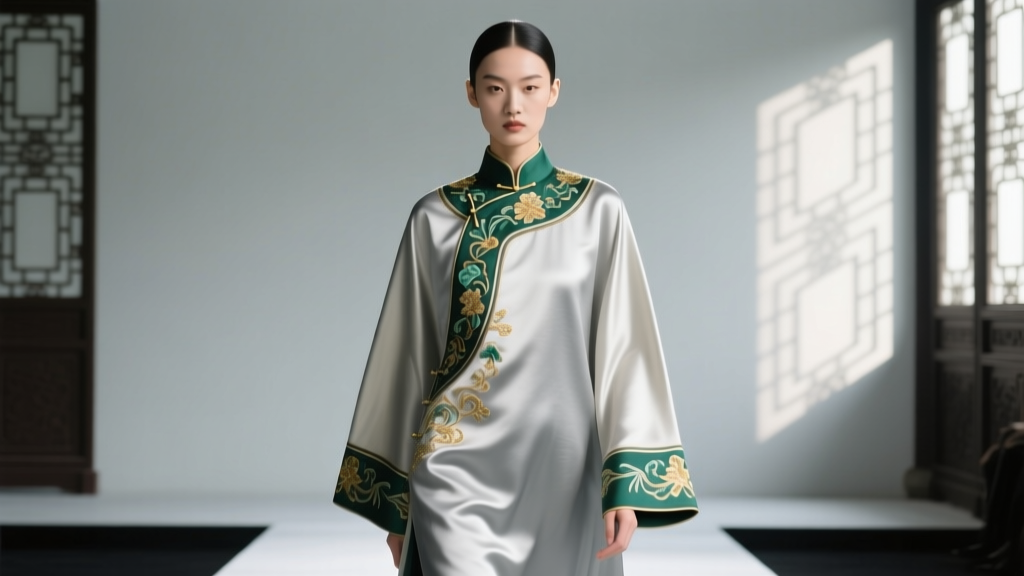
When enthusiasts and historians discuss the traditional hanfu dress, they are not referring to a single, monolithic garment. Instead, Hanfu (汉服) represents a complex, evolving sartorial system worn by the Han Chinese for over three millennia. From the foundational cross-collar robes of the Zhou Dynasty to the elaborate pleated skirts of the Ming era, the traditional hanfu dress is defined by its regional adaptations, dynastic shifts, and profound philosophical underpinnings. At its core, Hanfu embodies the concept of Tianren Heyi (天人合一) — the unity of heaven and humanity — reflected in its flowing lines, natural fabrics, and structured tailoring that avoids cutting the cloth into restrictive, body-hugging shapes.
To truly understand this garment, one must look past the generalized term and examine the specific substyles that emerged from China's vast and varied geography. The traditional hanfu dress is a living archive of regional climates, local textile hubs, and historical trade routes. Institutions like the Victoria and Albert Museum's Asian collections highlight how regional textile production directly dictated the drape, weight, and ornamentation of these garments, creating distinct sartorial identities across the Chinese landscape.
Climate and Geography: How Region Shaped Hanfu Substyles
The sheer size of China, spanning from the freezing northern steppes to the tropical southern coasts, necessitated radical variations in the traditional hanfu dress. While the fundamental rules of construction — such as the absence of buttons in early periods and the use of sashes — remained constant, the layering, sleeve width, and fabric weight shifted dramatically based on regional climates.
The Northern Plains: Heavy Brocades and Layered Aoqun
In the northern regions surrounding the Yellow River basin, harsh winters and biting winds dictated a more structured, heavily layered approach to Hanfu. During the Ming Dynasty (1368–1644), the Aoqun (袄裙) became the dominant traditional hanfu dress for women in these colder climates. Unlike the lighter, tucked-in blouses of earlier eras, the Ao (jacket) was worn over the skirt, featuring a lined interior, high collars, and narrow, fitted sleeves designed to trap body heat. The fabrics utilized in the north were often heavy silk brocades, wool blends, and padded cottons, heavily embroidered with motifs of winter resilience, such as pine, plum blossoms, and bamboo.
The Southern Water Towns: Breathable Silks and Flowing Ruqun
Conversely, the humid, subtropical climates of the Yangtze River Delta and southern coastal provinces demanded breathability and lightness. Here, the Ruqun (襦裙) — consisting of a short, lightweight upper garment tucked into a high-waisted skirt — flourished, particularly echoing the aesthetics of the Tang (618–907) and Song (960–1279) dynasties. Southern artisans specialized in weaving ultra-fine mulberry silk gauzes and crepes. The Beizi (褙子), a long, open-front jacket with straight, flowing sleeves, was a staple in southern regions, allowing for maximum air circulation while maintaining the elegant, vertical lines prized in traditional Chinese aesthetics.
A Taxonomy of Major Hanfu Substyles
To navigate the world of Hanfu, it is essential to understand the primary configurations that define the traditional hanfu dress across different eras and regions. The following table outlines the most prominent substyles recognized by historians and modern revivalists.
| Substyle Name | Primary Era & Region | Key Structural Features | Traditional Fabric Focus |
|---|---|---|---|
| Ruqun (襦裙) | Tang/Song; Nationwide, South-leaning | Short top tucked into a high-waisted, pleated or A-line skirt. | Silk gauze, lightweight crepe, ramie. |
| Aoqun (袄裙) | Ming; Northern & Central Plains | Lined, hip-length jacket worn over a skirt; often features standing collars. | Heavy brocade, padded silk, wool blends. |
| Beizi (褙子) | Song; Southern Water Towns | Long, open-front coat with parallel collars and narrow, straight sleeves. | Unlined silk, sheer gauze, linen. |
| Mamianqun (马面裙) | Ming/Qing; Nationwide (Originating North) | Horse-face skirt with flat front/back panels and heavily pleated side panels. | Woven jacquard,妆花 (Zhuanghua) brocade. |
Fabric Composition and Artisan Weaving Techniques
The authenticity of a traditional hanfu dress is inextricably linked to its fabric. Historically, specific regions held monopolies on elite weaving techniques, and these regional textiles remain highly sought after by modern Hanfu artisans and collectors. According to archives maintained by the Metropolitan Museum of Art's Asian Art department, the complexity of Chinese silk weaving was unparalleled, with regional looms producing fabrics that were as much works of art as they were functional textiles.
Xiangyunsha: The Gambiered Canton Gauze
Originating from the Guangdong province in the deep south, Xiangyunsha (香云纱) is a highly specialized, eco-friendly textile. Pure silk is dyed with the tannin-rich juice of the薯莨 (Dioscorea cirrhosa) yam and then coated with iron-rich river mud from the Pearl River Delta. The resulting fabric is dark, crisp, and water-resistant, making it the ultimate traditional hanfu dress material for humid, southern summers. It is entirely unique to this specific micro-climate and cannot be authentically replicated elsewhere.
Shu Brocade and Yunjin
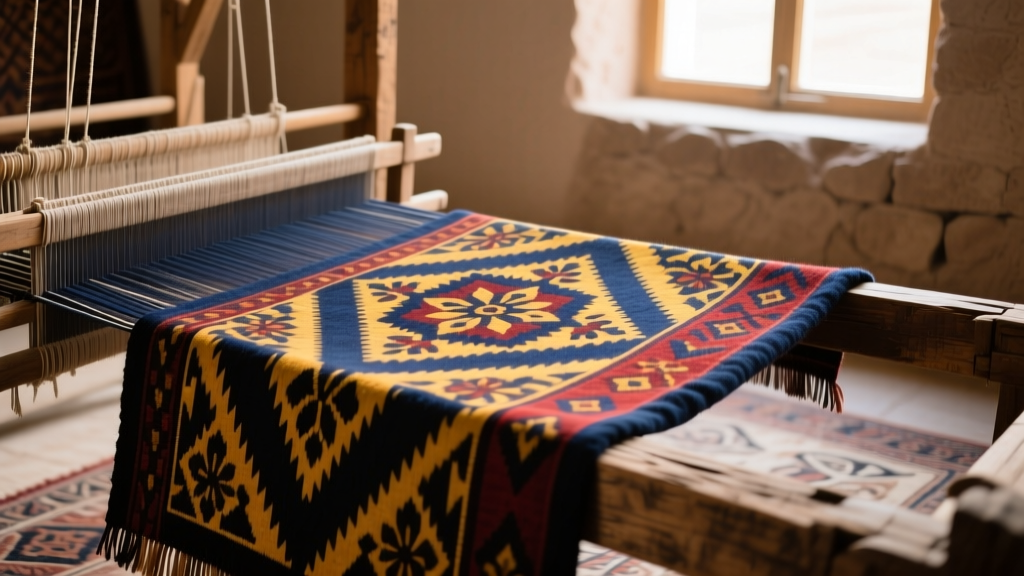
In the Sichuan basin, Shu Brocade (蜀锦) has been woven for over two thousand years, characterized by its vibrant, warp-faced patterns and heavy drape, ideal for the structured Aoqun of the interior provinces. Meanwhile, Nanjing's Yunjin (云锦) — literally 'cloud brocade' — represents the pinnacle of Ming dynasty imperial weaving. Incorporating peacock feather filaments and real gold and silver threads, Yunjin was historically reserved for the elite and remains one of the most expensive, labor-intensive fabrics used in high-end, bespoke Hanfu today.
Modern Sourcing: Price Ranges and Authenticity Markers
As the Hanfu revival movement accelerates, the market has expanded to accommodate everything from daily-wear synthetics to museum-grade artisanal pieces. When sourcing a traditional hanfu dress, buyers must navigate distinct pricing tiers based on material authenticity and construction methods.
- Entry-Level / Daily Wear ($40 - $90 USD): Typically made from polyester blends, chiffon, or cotton-linen mixes. While accessible and easy to machine wash, these lack the historical drape and breathability of natural fibers. Often mass-produced with generic, anachronistic embroidery.
- Mid-Tier / Enthusiast Grade ($120 - $300 USD): Features genuine mulberry silk, real silk brocades, or high-quality ramie. Embroidery is often done via advanced computerized multi-head machines but follows historically accurate dynastic patterns. Seams are finished cleanly, and the garments adhere strictly to traditional cutting layouts.
- Artisan / Bespoke Grade ($450 - $1,500+ USD): Hand-woven textiles like authentic Xiangyunsha or Yunjin. Features hand-embroidered motifs using traditional silk floss and metallic threads. These pieces are often commissioned directly from regional artisan cooperatives and heritage workshops, taking months to complete.
Cultural Protocols for Wearing Traditional Hanfu
Wearing the traditional hanfu dress requires adherence to specific cultural protocols that carry deep historical and philosophical weight. The most critical of these is the rule of Jiaoling Youren (交领右衽) — the cross-collar must always wrap left over right, meaning the right lapel is hidden beneath the left. This configuration represents the yang (life, light) overcoming the yin (death, dark) in traditional Chinese cosmology.
"The reversal of this collar, known as Zuoren (left-over-right), was strictly reserved for dressing the deceased for burial or was historically used by certain nomadic tribes. Wearing Zuoren in daily life is considered a profound cultural faux pas and a symbol of mourning."
Furthermore, the British Museum's Asian textile archives note that the length of the skirt and the width of the sleeves historically communicated the wearer's social status and the formality of the occasion. Today, while strict sumptuary laws no longer exist, respectful wearing of Hanfu involves ensuring the garments are properly tied with sashes rather than pinned, maintaining the structural integrity of the flat-cut tailoring, and understanding the dynastic context of the substyle being worn. By honoring these regional variations and historical protocols, wearers do more than don a beautiful garment; they actively participate in the preservation of a profound cultural legacy.