Traditional Chinese Dresses: 2026 Buyer Guide

If you have ever found yourself searching what are traditional chinese dresses called, you are not alone. The global appreciation for Chinese sartorial heritage has surged, yet the terminology remains a mystery to many prospective buyers. The phrase 'Chinese dress' is often mistakenly used as a catch-all term, but in reality, China’s clothing history spans thousands of years, encompassing diverse ethnic groups, dynasties, and regional climates.
As of 2026, the market for authentic Chinese garments is more accessible than ever, bridging the gap between historical reenactment and modern high fashion. Whether you are looking for a flowing Hanfu for a cultural festival, a bespoke Qipao for a formal event, or a structured Tang suit for a wedding, understanding the correct terminology is your first step toward making an informed, culturally respectful purchase.
Decoding the Terminology: What Are Traditional Chinese Dresses Called?
Before you can shop, you must know what to ask for. Here are the three primary categories of traditional and historically inspired Chinese garments available on the market today.
1. Hanfu (汉服) – The Historical Han Garment
Hanfu refers to the historical clothing system of the Han Chinese people, spanning from the Yellow Emperor era (circa 2700 BCE) to the early Qing Dynasty (1644 CE). It is not a single 'dress,' but a comprehensive wardrobe system. When shopping for Hanfu, you will encounter specific sub-styles:
- Ruqun (襦裙): A blouse (ru) paired with a wrap-around skirt (qun). The chest-high skirt (Qixiong Ruqun) is particularly popular for its elegant, empire-waist silhouette.
- Mamianqun (马面裙): The 'horse-face skirt,' characterized by flat front and back panels with pleated sides. Originating in the Ming Dynasty, it is currently experiencing a massive revival in 2026 as a versatile piece paired with modern knitwear.
- Jiaoling Youren (交领右衽): The defining structural rule of Hanfu: an intersecting collar where the left side crosses over the right. (The reverse is historically reserved for the deceased).
2. Qipao / Cheongsam (旗袍) – The Iconic Silhouette
When Westerners ask 'what is the tight Chinese dress called?', they are referring to the Qipao (Mandarin) or Cheongsam (Cantonese). Born in 1920s Shanghai, the modern Qipao is a fusion of traditional Manchu robe structures and Western tailoring techniques, featuring a high Mandarin collar, form-fitting darts, and Pankou (frog fasteners). According to the Victoria and Albert Museum's Asian collections, the Qipao represents a pivotal moment in women's sartorial liberation in early 20th-century China.
3. Tang Suit (唐装) – The Modern Heritage Jacket
Despite its name, the modern Tang Suit does not date back to the Tang Dynasty (618–907 CE). It is a contemporary hybrid created in the late 20th century, blending Manchu riding jacket structures with Western shoulder seams, typically made from brightly colored brocade and fastened with knotted buttons. It is predominantly worn during Lunar New Year and by elders at weddings.
The Fabric Matrix: Materials That Define Value
When evaluating a traditional Chinese dress, the fabric dictates both the price and the cultural authenticity. The China National Silk Museum in Hangzhou highlights several heritage textiles that serious buyers should look for:
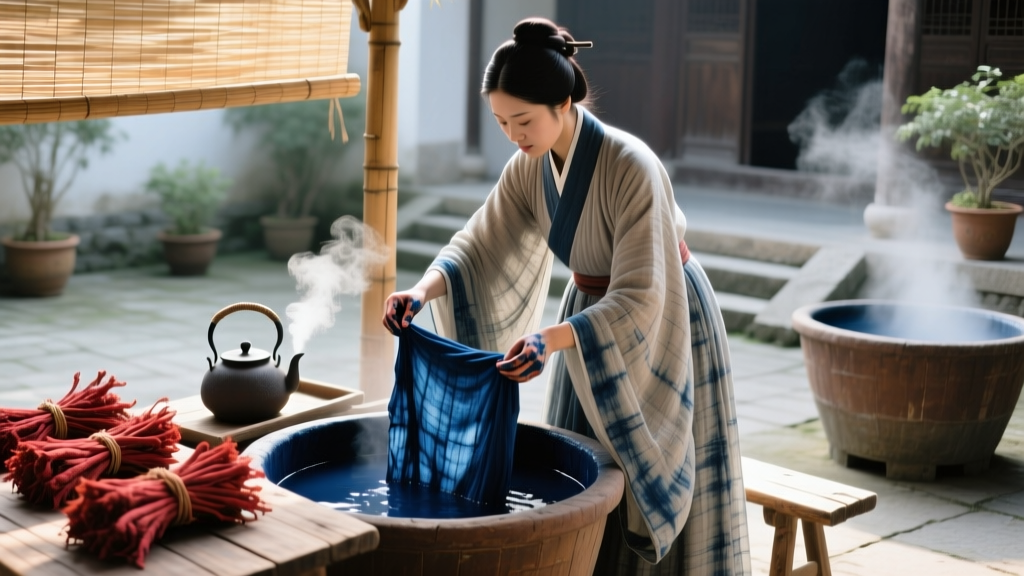
- Xiangyunsha (香云纱): Known as 'mud silk,' this is a UNESCO-recognized intangible cultural heritage from Guangdong. Silk yarn is dyed with薯莨 (dioscorea cirrhosa) juice and coated with iron-rich river mud, resulting in a dark, crackled, water-resistant fabric. Authentic Xiangyunsha Qipaos start at $400 USD and can exceed $1,500.
- Song Brocade (宋锦): A heavyweight, intricately patterned silk originating from Suzhou, ideal for structured Tang suits and winter Hanfu jackets.
- Su Embroidery (苏绣): One of the four major styles of Chinese silk embroidery. Hand-embroidered Su motifs (like koi fish or peonies) can add hundreds of hours of labor to a garment, significantly elevating its price.
2026 Price Guide & Budgeting Framework
To help you navigate the market, we have compiled a pricing matrix based on current 2026 market rates from reputable artisans and established brands. Prices are listed in USD.
| Garment Type | Native Term | Entry-Level / Mass Market | Artisan / Bespoke | Best Use Case |
|---|---|---|---|---|
| Chest-High Skirt Set | Qixiong Ruqun | $45 - $90 | $150 - $300 | Festivals, casual cultural events |
| Ming Dynasty Robe | Aoqun / Pifeng | $80 - $150 | $300 - $800+ | Winter wear, formal photography |
| Standard Qipao | Qipao (Daily) | $60 - $120 | $250 - $600 | Cocktail parties, dinners |
| Heritage Mud Silk Qipao | Xiangyunsha Qipao | $250 - $400 | $800 - $2,000+ | Heirloom investment, galas |
| Festive Jacket | Tang Suit | $40 - $80 | $150 - $350 | Lunar New Year, family portraits |
Where to Shop: Reputable Vendors and Artisans
Finding authentic garments requires looking beyond generic costume retailers. Here is where to source genuine traditional Chinese clothing in 2026.
For Authentic Hanfu
The Hanfu movement is heavily driven by domestic Chinese brands that have expanded globally via platforms like Taobao and specialized international shipping agents.
- Minghuatang (明华堂): The gold standard for Ming Dynasty historical accuracy. Their garments are meticulously researched, utilizing authentic weaving techniques and real gold thread. Expect to pay $300 to over $1,000 per piece, with wait times of several months.
- Shisanyu (十三余): A highly popular brand that blends historical silhouettes with modern, whimsical aesthetics. Excellent for beginners and festival-goers, with sets ranging from $70 to $150.
For Bespoke and Ready-to-Wear Qipao
- Hanyi Qipao (瀚艺旗袍): Based in Shanghai, this heritage brand has dressed diplomats and celebrities. They offer both ready-to-wear collections and bespoke tailoring. A custom-fitted Qipao here requires an in-person visit or a highly detailed remote measurement process.
- Changle Road Boutiques (Shanghai): If you are traveling, the alleys off Changle Road in Shanghai remain the epicenter for independent Qipao tailors who will carve custom Pankou knots and fit the garment to your exact posture.
Museum and Institutional Resources
For buyers interested in antique or vintage textiles, auction houses and museum-affiliated guilds are the safest route. The Metropolitan Museum of Art's Asian Textile archives serve as an excellent visual reference for verifying the historical accuracy of motifs and weaving patterns before making high-end antique purchases.
Cultural Protocols and Wearing Etiquette
Purchasing a traditional Chinese dress is only half the journey; wearing it correctly demonstrates respect for the culture.
- The Collar Rule: In Hanfu, always ensure the left lapel crosses over the right lapel (youren). Crossing right-over-left is historically associated with mourning and barbarian tribes in ancient texts.
- Undergarments: Traditional garments like the Qipao and Hanfu skirts were designed to be worn with specific slips. Avoid wearing bulky modern undergarments that disrupt the drape of the silk; opt for seamless, neutral-toned slips.
- Footwear: While modern heels are standard for the Qipao, Hanfu is traditionally paired with flat, embroidered cloth shoes (Buxie) or cloud-toed slippers to maintain the correct historical posture and hemline drape.
Understanding what are traditional chinese dresses called empowers you to move past cheap, mass-produced costumes and invest in garments that carry the weight of history, artisanal mastery, and profound cultural significance. Whether you are draping yourself in Ming Dynasty brocade or stepping into a bespoke Shanghai Qipao, you are participating in a living, breathing textile tradition.