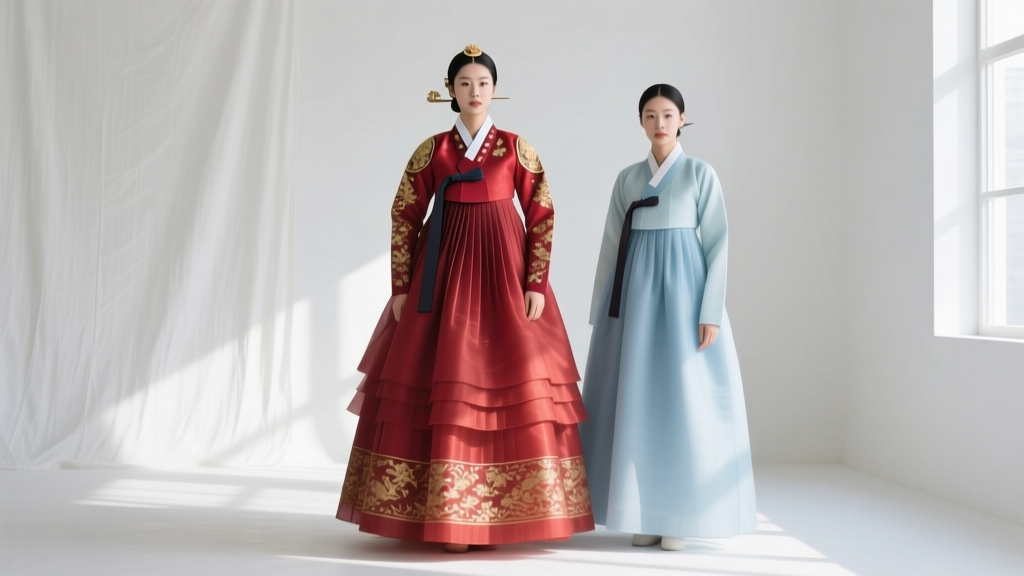
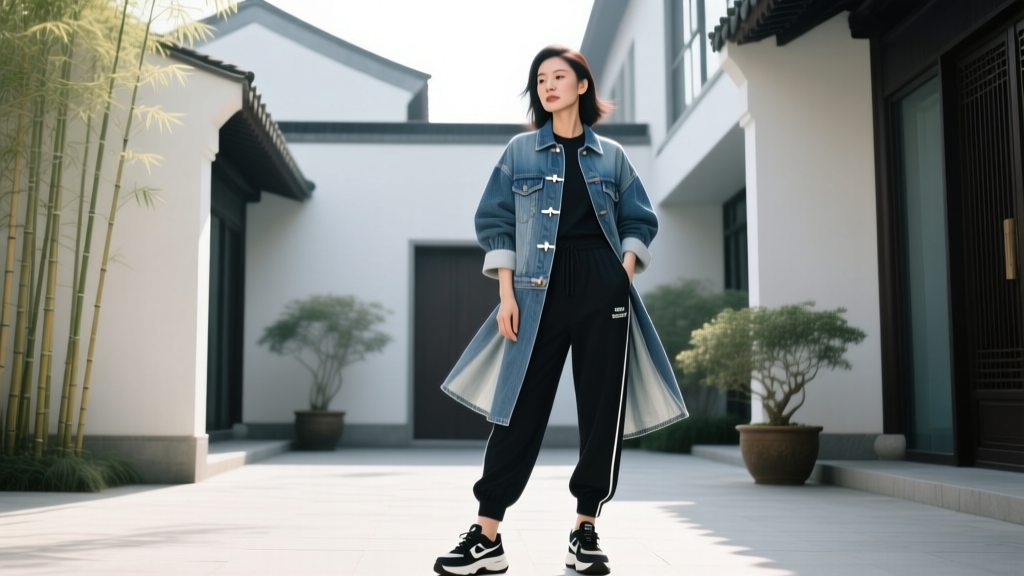
Chinese Clothing: Hanfu vs. Qipao

Decoding the Terminology: Beyond a Single Garment
When enthusiasts, designers, and historians ask, what is the traditional Chinese clothing called, the answer is far more complex than a single term. Unlike Japan’s kimono or India’s sari, China’s sartorial history spans thousands of years and encompasses 56 distinct ethnic groups. To accurately answer the question, we must look at the three primary categories that define Chinese dress in the global consciousness: Hanfu (the historical dress of the Han majority), the Qipao (the modernized, form-fitting classic), and the Tangzhuang (a contemporary hybrid jacket). Understanding the differences between these garments is essential for anyone studying Asian textile history, attending a cultural event, or looking to invest in authentic traditional wear.
Hanfu: The Ancient Sartorial Foundation of the Han Majority
Hanfu (汉服) translates literally to 'Han clothing.' It refers to the historical dress of the Han Chinese people, spanning from the mythical Yellow Emperor era (circa 2700 BCE) up until the early Qing Dynasty (1644 CE). According to the China National Silk Museum, Hanfu is not a single uniform, but a vast system of garments characterized by specific structural philosophies that prioritize fluidity, modesty, and harmony with nature.
Construction, Silhouettes, and the 'Youren' Rule
The most defining characteristic of Hanfu is the jiaoling youren (交领右衽)—a cross-collar that always wraps from the left side over the right side. In traditional Chinese cosmology, the left represents life and the sun (Yang), while the right represents death and the moon (Yin). Wrapping left-over-right was the strict protocol for the living; reversing it (zuoren) was reserved exclusively for dressing the deceased.
Common Hanfu silhouettes include:
- Ruqun (襦裙): A two-piece ensemble consisting of a short, cross-collared blouse (ru) tucked into a high-waisted, pleated wrap skirt (qun). This style was immensely popular among women during the Tang Dynasty.
- Shenyi (深衣): A 'deep robe' where the upper garment and lower skirt are sewn together into a single, flowing piece, often worn by scholars and officials during the Han and Ming dynasties.
- Yuanlingpao (圆领袍): A round-collared robe with wide sleeves, heavily utilized as official court dress and everyday wear for men during the Tang and Ming eras.
Regional Fabrics and Weaving Techniques
Authentic Hanfu relies heavily on flat-pattern cutting, meaning the fabric is woven to the exact width required, minimizing waste and avoiding Western-style darts. Premium Hanfu utilizes Song brocade (宋锦) from Suzhou or Shu brocade (蜀锦) from Sichuan. Today's Hanfu revival movement (Hanfu Yundong) has also popularized the use of lightweight linen and raw silk for everyday summer wear, mimicking the breathable layers of ancient commoners.
The Qipao (Cheongsam): A Modern Classic Born in Shanghai
If Hanfu represents ancient China, the Qipao (旗袍)—also known as the Cheongsam in Cantonese—represents China’s glamorous, turbulent entry into the modern era. When people in the West ask what traditional Chinese clothing is called, they are most often picturing the Qipao. However, its origins are rooted in the Manchu ethnic minority, not the Han majority.
From Manchu Robes to 1920s Tailoring
During the Qing Dynasty (1644–1911), Manchu women wore the changpao (长袍), a loose, straight, and floor-length robe that concealed the figure. The transformation into the modern Qipao occurred in the 1920s in Shanghai. Influenced by Western flapper fashion and the feminist movements of the Republic of China, Shanghai socialites and tailors began altering the changpao. They introduced Western tailoring techniques such as bust darts, set-in sleeves, and waist suppression, creating the iconic, figure-hugging silhouette celebrated by institutions like the Victoria and Albert Museum in their Asian textile archives.
Anatomy of the Qipao: Pankou, Slits, and Collars
A genuine Qipao is a masterclass in structural engineering. Key elements include:
- Yuanling (Mandarin Collar): A stiff, high-standing collar that frames the face and demands an upright posture.
- Pankou (Frog Closures): Intricate, hand-knotted fabric buttons. The complexity of the pankou (ranging from simple knots to elaborate floral motifs) often dictates the formality and price of the garment.
- Kaiqi (Side Slits): Originally designed to allow for ease of movement and horseback riding in the Manchu tradition, the slits were raised in the 1930s to reveal the leg, adding a touch of modern allure.
The finest Qipaos are crafted from Xiangyunsha (香云纱), also known as 'mud silk.' This rare Cantonese fabric is dyed with yam juice and coated in iron-rich river mud, resulting in a waterproof, rustling silk that softens beautifully with age.
Tangzhuang and the Tapestry of Ethnic Minority Dress
No discussion of Chinese dress is complete without addressing the Tangzhuang (唐装) and China's ethnic minorities. The Tangzhuang, or 'Tang Suit,' is actually a modern invention. It gained global prominence during the 2001 APEC summit when world leaders wore matching silk jackets. It blends the Manchu magua (riding jacket) with Western shoulder pads and tailored fits, featuring prominent pankou buttons. While popular as festive wear during the Lunar New Year, historians note it lacks the deep historical lineage of Hanfu.
Furthermore, China’s 55 ethnic minorities possess breathtaking traditional garments. The Miao people are renowned for their heavy, intricate silver headdresses and pleated indigo-dyed skirts. The Tibetan chuba is a thick, sheepskin-lined robe designed for the harsh Himalayan climate, often worn with the right sleeve slipped off to regulate body temperature. As highlighted by The Metropolitan Museum of Art, these regional garments showcase the vast ecological and cultural diversity of the Chinese landmass.
Comparative Matrix: Hanfu vs. Qipao vs. Tang Suit
| Garment | Era of Origin | Key Structural Features | Cultural Roots | Best Suited For |
|---|---|---|---|---|
| Hanfu | Ancient to 1644 CE | Cross-collar (left over right), wide sleeves, sash-tied, flat-cut | Han Majority | Cultural festivals, tea ceremonies, historical reenactments |
| Qipao | 1920s (Modernized) | Mandarin collar, form-fitting darts, side slits, frog closures | Manchu / Shanghai Hybrid | Formal dinners, weddings, diplomatic events, evening wear |
| Tangzhuang | Late 20th Century | Stand collar, front knot buttons, Western shoulder tailoring | Modern / APEC Hybrid | Lunar New Year celebrations, casual festive gatherings |
Navigating the Market: Pricing, Sourcing, and Etiquette
For collectors, brides, or cultural enthusiasts looking to purchase these garments, understanding the market landscape is crucial to avoid mass-produced, culturally inaccurate costumes.
Real-World Price Ranges and Artisan Sourcing
- Hanfu: Mass-market, factory-made Hanfu (often sold on platforms like Taobao or AliExpress) ranges from $30 to $80. However, museum-grade recreations utilizing authentic Ming Dynasty weaving techniques, genuine silk, and hand-embroidery from artisan cooperatives in Hangzhou will cost between $300 and $800+.
- Qipao: Off-the-rack, polyester-blend Qipaos can be found for $50 to $120. For a true investment piece, visiting the bespoke tailors on Changle Road in Shanghai or sourcing from master artisans in Hong Kong will cost anywhere from $400 to $1,500+, depending on the complexity of the pankou and the rarity of the brocade.
Cultural Protocols and Contemporary Styling
When wearing traditional Chinese clothing, respect for the garment's origins is paramount. If wearing Hanfu, always ensure the collar crosses left-over-right. Pairing Hanfu with modern accessories like minimalist leather boots or contemporary jade jewelry is widely accepted in the modern Hanfu movement, bridging the gap between antiquity and daily life. For the Qipao, ensure the hemline and slit height are appropriate for the formality of the event; a floor-length Qipao with a moderate slit is standard for weddings, while knee-length variations are suitable for cocktail events. By understanding the distinct histories of Hanfu, Qipao, and regional dress, we move beyond a single answer to 'what is traditional Chinese clothing called,' and instead embrace a rich, living tapestry of Asian sartorial excellence.