Styling Qing Dynasty Hanfu: The Modern Wear Guide
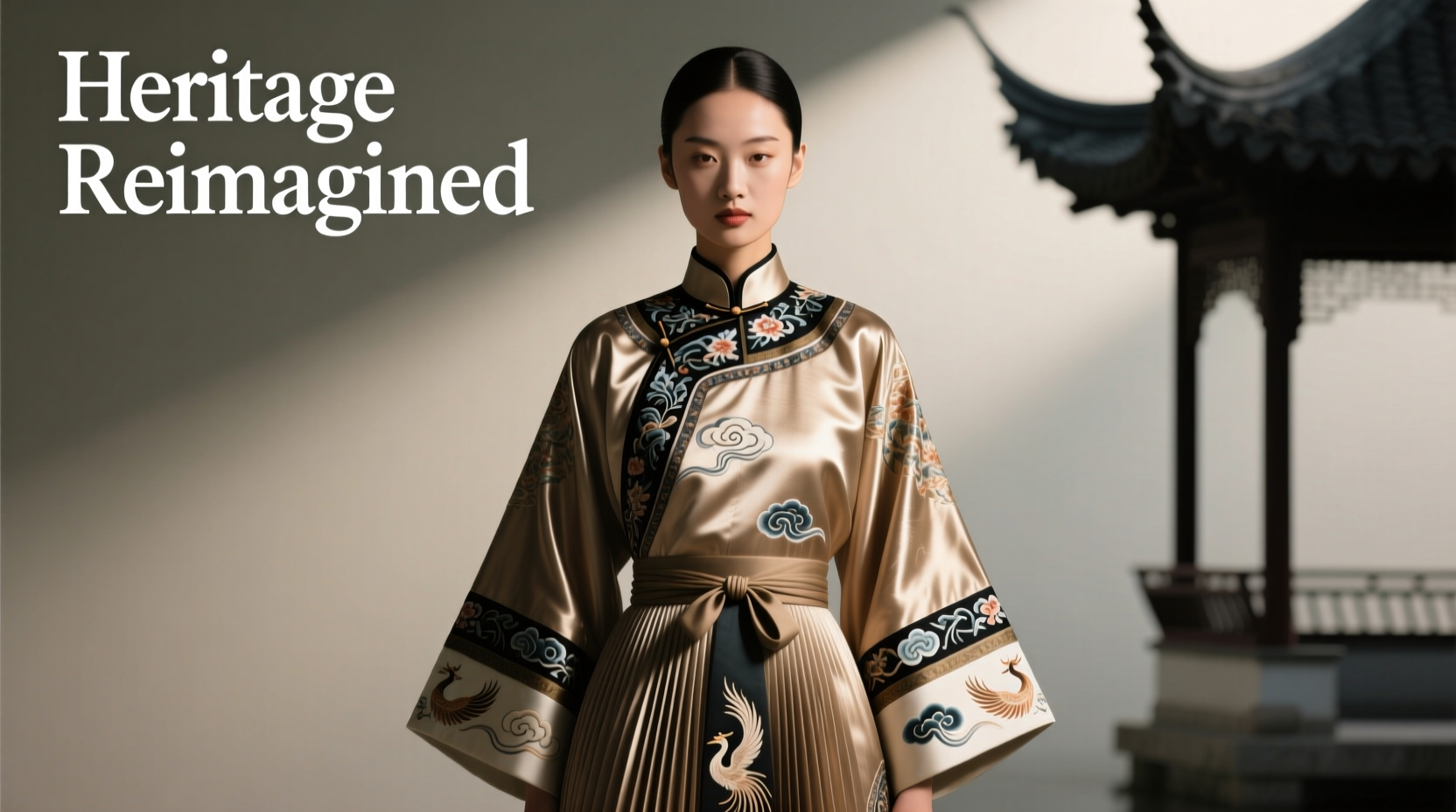
The term 'Qing dynasty hanfu' often sparks nuanced debate among historians, textile collectors, and modern Hanfu enthusiasts. To master the styling of these garments, one must first understand their unique historical position. The Qing dynasty (1644–1912) was ruled by the Manchu people, yet the Han Chinese majority maintained distinct sartorial traditions, particularly among women. Today, integrating the opulent, structured, and heavily embroidered silhouettes of late Qing Han women’s fashion into a contemporary wardrobe requires a balance of historical reverence and modern styling ingenuity.
Decoding the Terminology: Hanfu vs. Qizhuang in the Qing Era
Following the 1645 Tifayifu edict, Han Chinese men were forced to adopt Manchu dress (Qizhuang), including the queue hairstyle and the changpao magua (long robe and riding jacket). However, Han Chinese women were largely exempt from this mandate. They continued to wear the traditional aoqun (jacket and skirt) system. Over the centuries, this Han women's clothing absorbed Manchu aesthetic influences, resulting in the distinct 'Qing Hanfu' silhouette characterized by standing collars (liling), wide decorative borders (lanbian), and intricate, heavy embroidery. Therefore, when we discuss styling Qing dynasty hanfu today, we are specifically referring to the late Qing Han women's aoqun system, not the Manchu chenyi or the early Republican qipao.
Anatomy of the Late Qing Han Wardrobe
To style these garments effectively, you must understand their structural components and how they dictate the body's silhouette. The late Qing aesthetic favored a top-heavy, layered look that concealed the natural waistline, creating a columnar, dignified profile.
The Ao (袄) and Shan (衫)
The ao is a lined jacket, while the shan is unlined. In the late Qing era, the ao featured a prominent standing collar and a dajin (large right-over-left lapel) that curved into a pipa (lute-shaped) or rui (ruyi-scepter) motif at the side closure. The most striking feature of the Qing ao is the lanbian—multiple, wide layers of contrasting embroidered borders at the collar, cuffs, and hem. These borders often utilized Su Xiu (Suzhou embroidery) or intricate brocade weaving.
The Mamianqun (马面裙)
The mamianqun, or horse-face skirt, reached its zenith of decorative complexity during the Qing dynasty. Unlike the Ming dynasty's simpler pleated skirts, the Qing mamianqun featured wide, flat front and back panels (mamian) heavily embroidered with auspicious motifs like peonies, phoenixes, or butterflies. The side pleats were often woven with subtle geometric patterns or metallic threads that only revealed themselves in motion.
The Magua (马褂) and Yunjian (云肩)
The magua is a hip-length vest or jacket worn over the ao for added warmth and formality. The yunjian, or cloud collar, is a detachable, highly ornate shoulder piece featuring four radiating panels symbolizing the heavens, earth, and the four seasons. Originally used to protect the garment's collar from hair oils, it evolved into a centerpiece of Qing ceremonial and festival wear.
Modern Styling Frameworks: Integrating Qing Silhouettes Today
Wearing full late Qing ceremonial attire in daily life can feel costumey due to the heavy fabrics and overwhelming embroidery. The key to modern styling is deconstruction and textural contrast. Here are three actionable frameworks for the modern wardrobe.
Framework 1: The Contemporary Scholar (Separates & Minimalism)
Instead of wearing a heavily embroidered ao, source a modern reproduction made from matte linen or raw silk with a simplified pipa collar and minimal lanbian.
The Pairing: Wear this streamlined Qing-style ao tucked slightly into the front of a pair of high-waisted, wide-leg modern wool trousers. The structural standing collar frames the face beautifully, while the modern trousers prevent the outfit from feeling like a museum replica. Finish with leather loafers or modern ankle boots.
Framework 2: The Mamianqun as a Statement Piece
The Qing-style mamianqun is arguably the most versatile garment in the Hanfu revival movement. Its flat front panel and accordion side pleats mimic the structure of a modern midi or maxi skirt.
The Pairing: Balance the volume and heavy brocade of the skirt with a fitted, modern top. A fine-gauge merino wool turtleneck, a silk camisole, or a tailored modern blazer creates a stunning East-meets-West silhouette. By anchoring the ornate skirt with minimalist, contemporary basics, you allow the Su Xiu embroidery to act as the focal point of your outfit.
Framework 3: Winter Layering with the Magua Vest
The magua vest is a masterclass in historical layering. Traditional velvet or silk-brocade magua vests feature intricate frog button closures (pankou).
The Pairing: Layer a sleeveless Qing-style magua over a crisp, oversized white poplin button-down shirt or a thick ribbed knit sweater. This blends the traditional pankou closures with modern Western tailoring, creating a sophisticated, intellectual aesthetic perfect for autumn and winter.
Fabric, Embroidery, and Sourcing Matrix
When sourcing Qing-style hanfu, understanding fabric weights and embroidery techniques is crucial for both comfort and authenticity. Below is a guide to help you navigate the market, from entry-level reproductions to artisan-crafted pieces.
| Garment Component | Traditional Qing Material | Modern Styling Alternative | Estimated Price Range (USD) |
|---|---|---|---|
| Ao (Jacket) | Silk damask, heavy brocade, lined with cotton | Raw silk, linen-cotton blends, matte crepe | $80 – $350 |
| Mamianqun (Skirt) | Zhuanghua satin, gold-woven thread | Jacquard polyester, woven cotton-blend | $60 – $250 |
| Magua (Vest) | Velvet, Zhangzhou silk, fur trim | Corduroy, modern velvet, faux-shearling | $90 – $400 |
| Yunjian (Cloud Collar) | Hand-embroidered silk satin, pearl knotting | Machine-embroidered organza, beadwork | $40 – $150 |
Note: For museum-quality, bespoke reproductions utilizing traditional loom-woven Zhuanghua silk and hand-knotted pearl techniques, prices frequently exceed $800 per garment. Brands like Minghuatang and specialized Taobao artisan cooperatives are renowned for these high-end historical reproductions.
Proportions and Fit: Avoiding the 'Boxy' Trap
Historically, late Qing ao jackets were cut with a dropped shoulder and a wide, boxy fit that extended to the mid-thigh, deliberately obscuring the body's natural curves. While historically accurate, this can overwhelm modern frames.
Styling Tip: If you are petite, opt for a 'mid-Qing' or 'early Qing' reproduction where the ao hem sits at the hip rather than the mid-thigh. Alternatively, use a thin leather belt worn over the ao at the natural waist to cinch the jacket and create an hourglass silhouette—a popular styling hack among modern Hanfu influencers in Shanghai and Chengdu.
Preservation and Care Protocols
Qing-style garments, particularly those featuring metallic threads and heavy brocades, require meticulous care. The weight of the embroidery can warp the fabric if stored incorrectly.
- Never use wire hangers: The heavy mamianqun will stretch the waistband, and the ao will lose its shoulder structure. Use wide, padded wooden hangers for jackets.
- Skirt Storage: Fold the mamianqun along its natural pleat lines. Place acid-free tissue paper between the folds to prevent the metallic threads from catching and pulling the silk base fabric.
- Moth Prevention: Traditional Chinese wardrobes utilized camphor wood (zhangmu) chests. Today, store your silk brocades in breathable cotton garment bags with natural cedar blocks to protect against pests without exposing the delicate dyes to harsh chemical mothballs.
Respecting the Cultural Tapestry
Styling Qing dynasty hanfu is an exercise in cultural storytelling. According to textile archives at the Victoria and Albert Museum, the fusion of Han and Manchu aesthetics during this era represents a complex period of cultural negotiation and resilience. Furthermore, institutions like The Palace Museum in Beijing and the China Silk Museum in Hangzhou continue to preserve the original garments that inspire today's artisan makers.
'To wear Qing-era Han clothing today is not merely to put on a costume, but to drape oneself in a living archive of Han women's domestic artistry, resilience, and aesthetic evolution during a century of profound change.'
By understanding the historical weight of the aoqun, respecting the intricate craftsmanship of Su Xiu embroidery, and thoughtfully integrating these pieces into a modern context, you honor the legacy of the artisans who wove, stitched, and preserved these magnificent textiles.