2026 Styling Guide: Navigating the 'Japanese Hanfu' Trend

Decoding the 'Japanese Hanfu' Search: Terminology and Truth
In the global explosion of East Asian traditional fashion, digital algorithms and cross-cultural curiosity have given rise to a fascinating, albeit historically inaccurate, search term: Japanese Hanfu. As cultural garment enthusiasts and sartorial historians, it is our duty to first clarify the terminology before exploring how these distinct traditions can be respectfully understood and styled in the modern era.
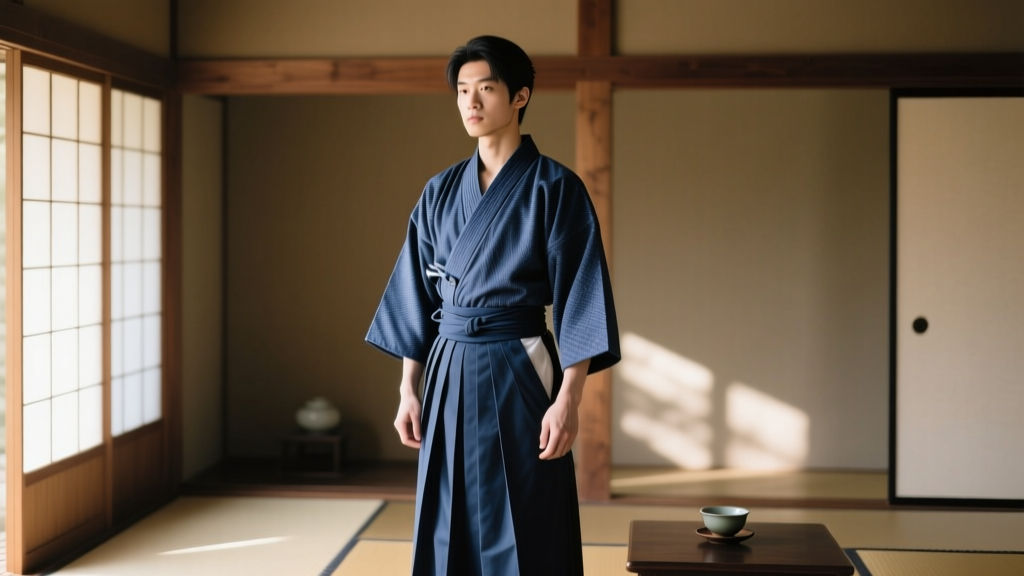
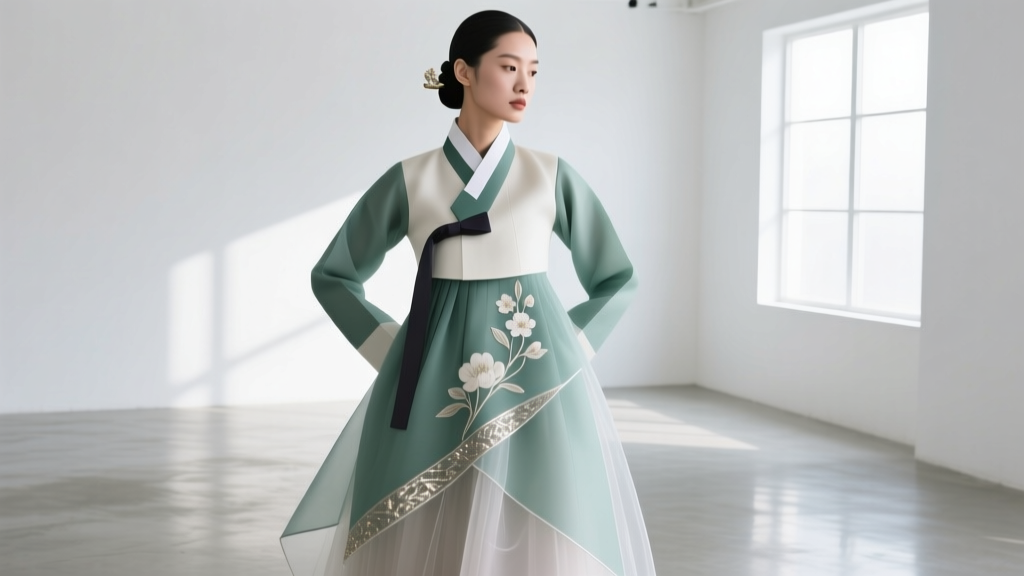
Hanfu (汉服) translates literally to 'Han clothing' and refers exclusively to the historical dress of the Han Chinese people, spanning from the Huangdi era (c. 2700 BCE) through the Ming Dynasty (1368–1644 CE). Conversely, traditional Japanese clothing is collectively known as Wafuku (和服), with the Kimono (着物) being its most globally recognized iteration. While they share ancient Sinosphere roots—most notably the jiaoling youren (cross-collar, right lapel) construction—they are entirely distinct sartorial lineages with unique silhouettes, tailoring methods, and cultural protocols.
However, the modern fashion landscape in 2026 is defined by cross-pollination. Enthusiasts often seek to blend the flowing, ethereal layers of Chinese Hanfu with the structured, architectural elegance of Japanese outerwear. This guide will help you navigate the historical intersections, structural differences, and actionable styling frameworks for integrating East Asian silhouettes into a contemporary, culturally respectful wardrobe.
Historical Cross-Pollination: Where Han and Wafuku Meet
To understand why the term 'Japanese Hanfu' occasionally surfaces in fashion forums, we must look to the Nara (710–794 CE) and Heian (794–1185 CE) periods in Japan. During the Tang Dynasty (618–907 CE), China was the cultural epicenter of East Asia. Japanese courtiers heavily adopted Tang-style garments, characterized by wide sleeves, flowing silk skirts, and the aforementioned cross-collar lapels.
According to the Kyoto Costume Institute, the foundational Japanese garment, the kosode (small sleeve), originally began as an undergarment worn beneath these expansive Tang-influenced court robes. Over centuries, as Japan developed its distinct cultural identity (the Kokufu Bunka movement), the kosode evolved into the outer garment we now recognize as the Kimono, while Chinese fashion continued its own evolution through the Song and Ming dynasties, eventually adopting pleated skirts, standing collars, and intricate brocade weaving techniques that define later Hanfu styles.
Structural Showdown: Silhouette, Fabric, and Fastenings
When styling these garments, understanding their structural DNA is critical. A common mistake among novice collectors is attempting to fasten a Hanfu like a Kimono, or vice versa, which distorts the silhouette and disrespects the garment's engineering.
| Feature | Chinese Hanfu (e.g., Ming Aoqun) | Japanese Wafuku (e.g., Kimono) |
|---|---|---|
| Silhouette | A-line, flowing, emphasizes vertical drape and movement. Often separates (top and skirt). | Tubular, architectural, conceals body contours. Straight seams, constructed from bolt fabric (tanmono). |
| Collar | Jiaoling youren (cross collar) or Liling (standing collar). Soft, unlined or lightly lined. | Thick, structured collar (eri) that sits rigidly against the nape of the neck. |
| Fastening | Internal and external fabric ties (xi). No belts or sashes used for structural closure. | Secured entirely by a complex system of sashes and the rigid Obi belt. |
| Sleeves | Pipa (lute-shaped) or wide curved sleeves. Attached seamlessly to the bodice. | Rectangular sleeves (sode) with open pockets at the back (tamoto). |
| Primary Textiles | Jacquard brocade, Xiangyunsha (mud-silk), embroidered gauze, raw hemp. | Chirimen (silk crepe), Rinzu (silk damask), Yuzen resist-dyed silk. |
Modern Wardrobe Integration: Styling East Asian Silhouettes
In 2026, the 'New Chinese Style' (Xin Zhongshi) and modern Kimono styling movements have paved the way for innovative, respectful wardrobe integration. While you cannot literally wear a 'Japanese Hanfu'—as the garment does not exist—you can thoughtfully curate an East Asian-inspired wardrobe that honors the distinct tailoring of both cultures.
The Mamianqun and Haori Fusion
The Ming Dynasty Mamianqun (horse-face skirt) is a staple of modern Hanfu streetwear, featuring flat front and back panels with heavily pleated sides. Its structured waistband and A-line drape make it incredibly versatile. For a sophisticated, cross-cultural aesthetic, pair a solid-colored, jacquard-woven Mamianqun with a minimalist, modern turtleneck and a vintage Japanese Haori (a short, open-front silk jacket). The Haori provides the architectural shoulder line typical of Wafuku, while the skirt offers the kinetic, sweeping movement characteristic of Han Chinese dress. Ensure the Haori is worn open, allowing the skirt's intricate pleats to remain the focal point.
Obi-Inspired Waist Cinching for Ruqun
The Tang and Song dynasty Ruqun (a short jacket paired with a high-waisted chest skirt) is beloved for its ethereal, romantic silhouette. However, in windy or active modern environments, the traditional fabric ties can slip. Contemporary stylists often borrow from Japanese Obi aesthetics to solve this. Instead of using an authentic, highly formalized silk Obi (which is culturally inappropriate to repurpose as a mere belt), opt for a structured, modern corset belt or a wide, woven textile sash inspired by the Hanhaba Obi (half-width sash). Cinching the high waist of a Qixiong Ruqun (chest-high skirt) with a textured, contrasting sash grounds the flowing silk and adds a touch of architectural rigidity reminiscent of Kyoto street fashion.
Sourcing Authentic Pieces: Price Guides and Artisans
Investing in authentic garments requires understanding the market, the textiles, and the artisan cooperatives that keep these traditions alive. Beware of fast-fashion retailers selling 'Japanese Hanfu' costumes; these are often made of cheap polyester and feature culturally inaccurate, left-over-right lapels (which in both Chinese and Japanese traditions is strictly reserved for dressing the deceased).
- Entry-Level Hanfu (Viscose/Polyester Blends): $60 – $150 USD. Ideal for beginners, though less breathable. Look for reputable Taobao-based brands with international shipping like Shisan Yu or Ming Huatang (entry lines).
- Authentic Silk Hanfu (Mulberry Silk, Xiangyunsha): $300 – $900 USD. The China National Silk Museum frequently highlights the meticulous process of Xiangyunsha (perfumed cloud gauze), a silk dyed with yam juice and river mud. Garments made from this textile are investment pieces that soften beautifully with age.
- Vintage Japanese Kimono (Recycled Silk): $80 – $350 USD. Sourcing from antique markets in Kyoto or specialized online dealers offers incredible value. Vintage Omeshi (pongee silk) and Tsumugi are highly durable for modern styling.
- Contemporary Artisan Kimono (Yuzen Dyed): $1,500 – $5,000+ USD. Hand-painted Kyo-Yuzen kimono from certified artisans in Kyoto represent the pinnacle of Japanese textile art, often requiring a master dyer and an embroiderer working in tandem for months.
Fabric Care: Preserving Historical Textiles
The longevity of your garments depends entirely on respecting their chemical and structural composition. Chinese Xiangyunsha silk should never be dry-cleaned; the harsh chemicals strip the mud-dye coating. It must be hand-washed gently in cool water with a pH-neutral soap and dried in the shade. Conversely, Japanese Chirimen (silk crepe) is highly susceptible to water spotting and shrinkage. The Victoria and Albert Museum's textile conservation guidelines strongly recommend professional dry-cleaning for vintage Wafuku, particularly those with metallic leaf embroidery (surihaku) or complex Obi weaves that can warp if submerged.
Cultural Etiquette and Respectful Styling Protocols
As we blend East Asian aesthetics in 2026, cultural respect must remain paramount. Avoid mixing sacred or highly specific ceremonial garments into casual streetwear. For instance, the Japanese Shiromuku (pure white wedding kimono) or the Chinese Ming Dynasty Fengguan Xiapei (phoenix crown and clouded sash) are deeply tied to marital rituals and ancestral reverence. Repurposing them for a music festival or casual outing is widely considered deeply offensive by cultural custodians.
Furthermore, always ensure your lapels are crossed correctly: the left side over the right side (youren / migi-mae). The reverse is universally recognized across both Han and Japanese traditions as the dressing style for the deceased (zuoren / hidari-mae). By mastering these nuances, you move beyond the confused 'Japanese Hanfu' search algorithm and step into the role of a knowledgeable, respectful custodian of Asia's magnificent sartorial heritage.