Styling Chinese Traditional Women's Clothing: A Modern Guide

The Renaissance of Chinese Traditional Women's Clothing
The global appreciation for Chinese traditional women's clothing has evolved far beyond theatrical costumes or static museum exhibits. Today, a vibrant sartorial renaissance—often referred to as the Hanfu Movement (汉服运动) and the broader "New Chinese Style" (新中式, Xin Zhongshi)—has brought historical garments into the streets of Shanghai, the subways of Beijing, and international fashion capitals. For the modern wearer, styling these pieces requires an understanding of historical construction, fabric behavior, and cultural etiquette. This guide provides a comprehensive framework for integrating Chinese traditional women's clothing into a contemporary wardrobe with authenticity, respect, and effortless elegance.
Anatomy of the Wardrobe: Three Core Silhouettes
Before attempting to style historical garments, one must understand their foundational architecture. Chinese traditional women's clothing is broadly categorized into three dominant silhouettes that offer distinct styling opportunities for the modern wearer.
1. Hanfu (汉服): The Flowing Antiquity
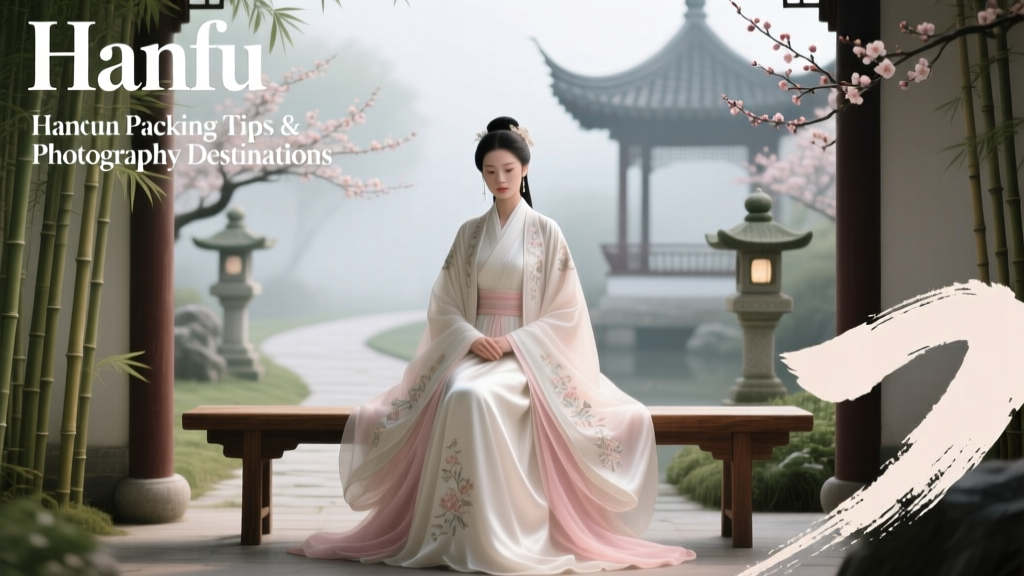
Hanfu refers to the historical dress of the Han ethnic group, spanning over three millennia. The most recognizable feature is the jiaoling youren (交领右衽)—a cross-collar where the left lapel crosses over the right. For modern styling, the Song Dynasty Beizi (褙子), an open-front jacket with side slits, is incredibly versatile. Its straight, elongated cut functions beautifully as a modern duster or lightweight trench coat when layered over contemporary basics.
2. Mamianqun (马面裙): The Architectural Skirt
Originating in the Ming Dynasty, the Mamianqun, or "horse-face skirt," is characterized by a flat, unpleated front and back panel (the "horse face") with densely pleated sides. This structural masterpiece allows for ease of movement while maintaining a striking, rigid silhouette. Today, it is the cornerstone of the Xin Zhongshi aesthetic, prized for its ability to bridge historical grandeur with modern minimalism.
3. Qipao / Cheongsam (旗袍): The Tailored Classic
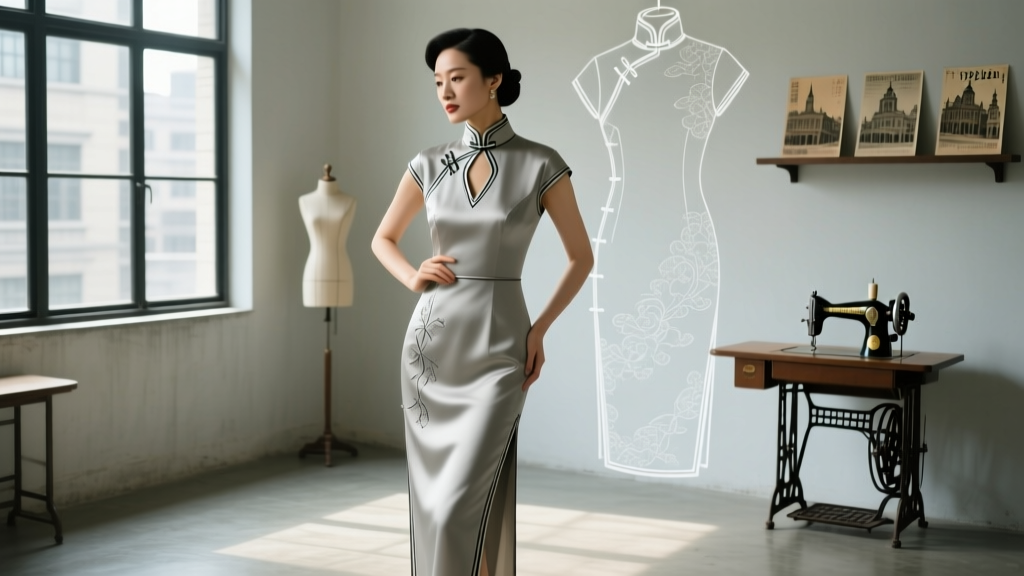
Emerging in 1920s Shanghai, the Qipao represents a fusion of Manchu banner robes and Western tailoring. Defined by its Mandarin collar (元宝领), asymmetrical side closures, and intricate pankou (frog fasteners), the Qipao is inherently formal. Modern iterations often feature lower slits and breathable fabrics, making them suitable for everything from boardroom meetings to evening galas.
Fabric Composition and Seasonal Styling Matrix
The drape, weight, and sheen of Chinese traditional women's clothing are dictated by its textile. Selecting the correct fabric for the season and occasion is critical for achieving a polished look. Below is a matrix to guide your material choices, with price ranges reflecting authentic, quality construction.
| Fabric Type | Seasonality | Drape & Texture | Price Range (USD) |
|---|---|---|---|
| Mulberry Silk (桑蚕丝) | Spring / Summer | Fluid, luminous, delicate. Requires careful draping. | $80 - $250 |
| Xiangyunsha (香云纱) | Summer / Autumn | Crisp, water-resistant, earthy. Dyed with yam juice and river mud. | $250 - $800+ |
| Song Brocade (宋锦) | Autumn / Winter | Structured, heavy, ornate. Ideal for outerwear and Mamianqun. | $150 - $500 |
| Cotton-Linen Blends | All Seasons | Breathable, matte, casual. Perfect for daily Hanfu and modified Qipaos. | $40 - $120 |
For deep dives into historical textile preservation and weaving techniques, the China National Silk Museum in Hangzhou offers unparalleled archives on Xiangyunsha and Song Brocade production, highlighting the immense artisanal labor behind these fabrics.
Modern Integration: The "Xin Zhongshi" Styling Framework
The secret to wearing Chinese traditional women's clothing in the 21st century without looking like you are wearing a costume lies in contrast and proportion. The "Xin Zhongshi" (New Chinese Style) relies on juxtaposing historical volume with modern tailoring.
Office and Formal Event Styling
For professional environments, a modified, knee-length Qipao in a matte crepe or heavy cotton-linen blend offers sophistication without restricting movement. Pair it with structural leather loafers or minimalist ankle boots rather than traditional embroidered shoes. If opting for a Mamianqun, choose a dark, solid-colored brocade skirt and pair it with a crisp, white French-cuff button-down shirt. Tuck the shirt in to highlight the skirt's flat front panel, and cinch with a thin leather belt to define the waist.
Casual and Streetwear Fusion
For weekend wear, the Song Dynasty Beizi jacket is your ultimate layering piece. Wear a sheer or lightweight silk Beizi over a modern ribbed turtleneck and high-waisted denim jeans. The elongated lines of the Beizi create a slimming, vertical silhouette that mimics the effect of a modern longline cardigan. Alternatively, style a shorter, pleated Mamianqun with a fitted cashmere sweater and clean white sneakers for a look that is deeply rooted in heritage yet entirely contemporary.
"The beauty of historical Chinese dress lies in its flat-pattern cutting. Unlike Western garments that are tailored to the curves of the body, traditional Chinese clothing creates a new, architectural space around the wearer, allowing the fabric to dictate the silhouette through movement and layering." — Curatorial notes from the Victoria and Albert Museum's Asian Collections.
Sourcing, Price Ranges, and Artisan Cooperatives
When investing in Chinese traditional women's clothing, distinguishing between "Hanfu" (historically accurate reconstructions) and "Han Element" (汉元素 - modern adaptations inspired by history) is vital for setting expectations and budgets.
- Entry-Level & Daily Wear ($40 - $120): Brands like Shisanyu (十三余) and Minghuang offer accessible, machine-washable cotton and polyester blends. These are excellent for beginners experimenting with the Mamianqun or modified Qipao silhouettes.
- Mid-Tier & Historical Reconstruction ($150 - $400): Brands such as Zhongzheng (中正) and Tingyue focus on accurate patterning, utilizing real mulberry silk, accurate pankou knots, and historically verified color palettes.
- Artisan & Bespoke ($500 - $2,000+): For Xiangyunsha silk or hand-loomed Song Brocade, buyers often commission pieces directly from artisan cooperatives in Guangdong or Suzhou. These garments are heirloom-quality and require specialized dry-cleaning.
For those researching historical accuracy before purchasing, the Metropolitan Museum of Art's Asian Art Department provides extensive digital archives of Ming and Qing dynasty textiles, serving as an excellent benchmark for evaluating the quality of modern reproductions.
Cultural Etiquette and Wearing Protocols
Wearing Chinese traditional women's clothing carries profound cultural weight. Observing a few key protocols ensures your styling choices remain respectful and culturally literate.
The Collar Rule: Left Over Right
The most critical rule in Hanfu styling is the jiaoling youren (cross-collar, right lapel underneath). The left side of the garment must always cross over the right side, forming a 'y' shape at the neckline. In traditional Han culture, crossing right-over-left (左衽) is strictly reserved for dressing the deceased for burial. Wearing it incorrectly is considered highly inauspicious and a fundamental breach of cultural etiquette.
Color Symbolism and Occasion
While modern fashion embraces all colors, traditional contexts still hold strong color associations. Bright reds and golds are reserved for joyous occasions like weddings and the Lunar New Year. Conversely, pure white, unhemmed fabrics, and rough hemp textures are historically associated with mourning and funerals. When styling a Qipao or Hanfu for a celebratory event or a joyful gathering, opt for jewel tones, pastels, or brocades with auspicious motifs like peonies (wealth), cranes (longevity), or plum blossoms (resilience).
By understanding the architectural brilliance of the Mamianqun, the fluid elegance of the Hanfu, and the tailored precision of the Qipao, you can seamlessly weave Chinese traditional women's clothing into your modern wardrobe. It is not merely about wearing a garment; it is about participating in a living, breathing dialogue between antiquity and the avant-garde.