Styling the Ancient Chinese Dress: Modern Hanfu Tips

The Renaissance of the Ancient Chinese Dress in Modern Wardrobes
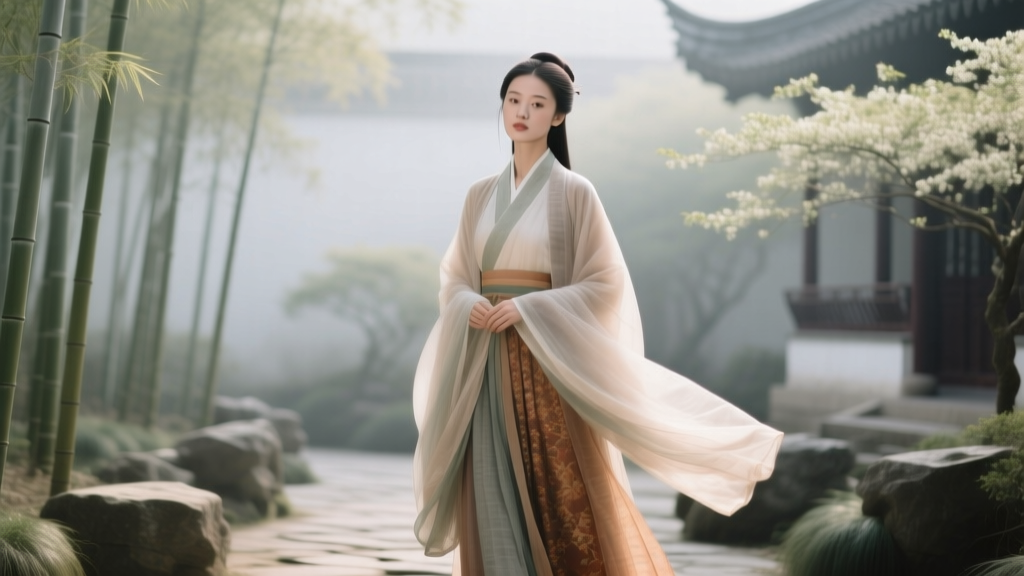
When discussing the ancient Chinese dress, historians and cultural enthusiasts are primarily referring to Hanfu (汉服), the traditional clothing system of the Han Chinese people. Spanning over three millennia—from the legendary Huangdi era through the late Ming Dynasty (1368–1644)—Hanfu is fundamentally distinct from the Qing-era qipao or cheongsam that often dominates Western perceptions of Chinese fashion. Today, a massive cultural renaissance has brought Hanfu out of museum archives and into contemporary streetwear, cafes, and professional environments.
Styling an ancient Chinese dress for the modern era is not about wearing a historical costume; it is about integrating traditional silhouettes, luxurious textiles, and profound cultural philosophies into a living, breathing wardrobe. Whether you are attending a formal tea ceremony, navigating a modern office, or exploring global street style, understanding the construction and styling nuances of Hanfu is essential for both aesthetic success and cultural respect.
Decoding Silhouettes: Which Hanfu Style Fits Your Lifestyle?
The term 'ancient Chinese dress' encompasses a vast array of regional and dynastic variations. To build a functional modern wardrobe, it is crucial to understand the primary structural categories. Below is a comparison of the most prominent silhouettes and how they translate to contemporary styling.
| Garment Name | Era of Prominence | Key Construction Features | Modern Styling Application |
|---|---|---|---|
| Ruqun (襦裙) | Tang / Song Dynasties | Cross-collar or straight-collar top (Ru) paired with a high-waisted or low-waisted wrap skirt (Qun). | High-waisted Tang styles pair beautifully with modern cropped knitwear; Song-style low-waist Ruqun works well as elegant summer office wear. |
| Aoqun (袄裙) | Ming Dynasty | Structured, lined jacket (Ao) with a stand-up collar and metal buttons, worn over a skirt. | The Ao acts as a sophisticated alternative to a modern blazer. Pair with tailored trousers or a Mamianqun for cold-weather professional attire. |
| Mamianqun (马面裙) | Ming / Qing Dynasties | 'Horse-face' skirt featuring flat front and back panels with deep side pleats. | The ultimate transitional piece. Frequently styled with modern crisp white button-downs, turtlenecks, or leather jackets for high-fashion streetwear. |
| Shenyi (深衣) | Han Dynasty | A one-piece robe connecting the top and bottom, featuring a continuous curved hem (Curved-hem Shenyi). | Best reserved for formal cultural events, graduations, or ceremonies due to its sweeping, dramatic volume and strict historical formality. |
The Sacred Geometry of Jiaoling Youren
Before purchasing or styling any ancient Chinese dress, one must understand the most critical rule of Hanfu construction: Jiaoling Youren (交领右衽). This translates to 'crossed collar, right lapel.' When wearing a cross-collar garment, the left side of the collar must cross over the right side, wrapping toward the wearer's right hip.
This is not merely an aesthetic choice; it is a profound cultural marker rooted in ancient Chinese cosmology, where the left represents life, yang energy, and the living world. Reversing this (right over left) is strictly reserved for dressing the deceased for burial. When styling your Hanfu, always double-check your collar alignment in the mirror. As noted in textile analyses by The Metropolitan Museum of Art's Heilbrunn Timeline of Art History, the geometric precision of Chinese silk weaving and garment cutting was designed to honor these philosophical alignments without wasting precious loom-width fabrics.
Seasonal Layering: Adapting Historical Garments for Contemporary Climates
One of the greatest advantages of the ancient Chinese dress system is its inherent modularity. Historical garments were designed for layering, making them exceptionally adaptable to modern, climate-controlled environments and shifting seasons.
Spring and Summer: Breathable Ramie and Sheer Pibo
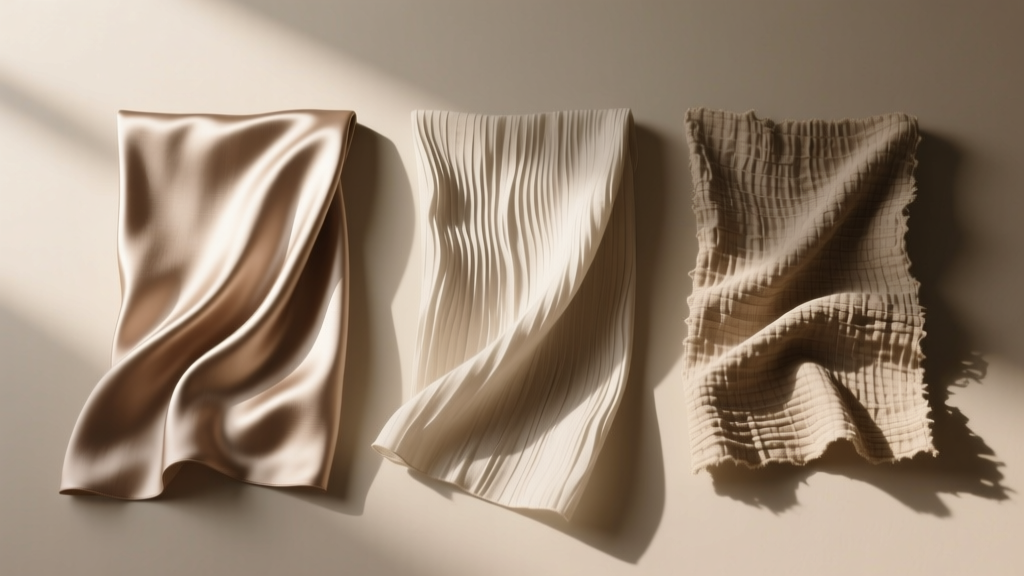
For warmer months, avoid heavy synthetic brocades that trap heat. Instead, seek out Hanfu crafted from xiangyunsha (gambiered Guangdong gauze), pure linen, or lightweight ramie. The Song Dynasty Beizi (褙子)—a long, open-front duster with side slits—is an exceptional summer layering piece. Wear it open over a modern camisole and wide-leg linen trousers. To elevate the look, drape a Pibo (披帛), a sheer silk scarf, over your arms. Originally popularized in the Tang Dynasty, the Pibo adds fluid, kinetic movement to your silhouette without adding thermal weight.
Autumn and Winter: Brocade Ao and Modern Turtleneck Pairings
The Ming Dynasty Ao (jacket) is a masterclass in winter styling. Traditional winter Ao are lined with cotton, wool, or even rabbit fur. Modern artisans often use velvet or heavy silk jacquard. The stand-up collar (Liling) of a Ming Ao frames the face beautifully and pairs seamlessly with a fine-gauge merino wool turtleneck underneath. The Victoria and Albert Museum's Asian Collections frequently highlight the structural brilliance of Ming dynasty weaving, particularly the use of metallic threads and heavy satins that provide both insulation and structural rigidity, allowing the garment to hold its shape over modern winter layers.
Footwear and Accessories: Bridging the Millennia
Styling an ancient Chinese dress does not require you to wear historical straw sandals or embroidered silk slippers, which are often impractical for modern city pavements. The contemporary Hanfu movement embraces thoughtful anachronisms.
- Footwear: For Mamianqun and Aoqun, leather Chelsea boots, Oxford shoes, or chunky Mary Janes provide a grounded, modern contrast to the flowing silk skirts. For Tang-style high-waisted Ruqun, delicate ballet flats or strappy sandals maintain the ethereal aesthetic.
- Hair Accessories: Traditional hair sticks (Zan 簪) and hairpins (Chai 钗) are widely used today. Opt for carved wood, jade, or resin for daily wear, reserving intricate filigree metalwork and pearl-drop tassels for formal events. A simple wooden Zan can easily secure a modern messy bun, blending ancient utility with contemporary casual styling.
- Bags: Avoid modern luxury logos that clash with the textile heritage. Instead, opt for woven bamboo bags, embroidered silk clutches, or minimalist leather satchels that complement the garment's drape.
Sourcing Authentic Pieces: Price Tiers and Artisan Cooperatives
The market for Hanfu has exploded, but quality varies wildly. Understanding price tiers helps you invest in garments that respect the tradition and offer longevity. Institutions like the Smithsonian National Museum of Asian Art emphasize the importance of preserving traditional textile techniques, a mission mirrored by modern artisan cooperatives in Suzhou and Hangzhou.
- Entry-Level ($30 – $70 USD): Typically mass-produced using polyester and chiffon. While affordable and easy to wash, these fabrics lack the drape and breathability of natural fibers. Best for casual experimentation or cosplay, but less suitable for formal cultural representation.
- Mid-Tier ($80 – $200 USD): The sweet spot for daily wear. These garments utilize cotton-linen blends, viscose, and mid-weight jacquards. Brands in this tier often employ historical pattern drafting, ensuring accurate sleeve curves and collar angles. Machine embroidery is common but features high-density stitching.
- Artisan and Custom ($350 – $1,500+ USD): True investment pieces. These involve authentic silk brocades, xiangyunsha dyeing processes, and hand-embroidery (such as Su or Shu embroidery). Artisan brands like Minghuatang or Shisanyu focus on museum-grade accuracy, utilizing traditional wooden looms and natural dyes. These pieces are heirloom-quality and should be dry-cleaned and stored with acid-free tissue paper.
Cultural Etiquette: Wearing with Respect and Accuracy
As the ancient Chinese dress transitions from a historical artifact to a global fashion statement, cultural sensitivity remains paramount. Hanfu is not a costume; it is the traditional ethnic dress of the Han people, representing a living, evolving cultural identity.
When styling your garments, avoid haphazardly mixing Hanfu with Qing Dynasty court elements (like the Manchu liangbatou headdress) unless you are specifically studying the transitional fashion of the late Qing era. Furthermore, ensure your garments are worn with the proper under-layers (such as a Zhongyi or inner shirt) to maintain the modesty and structural integrity intended by the original tailors. By approaching the ancient Chinese dress with a dedication to historical accuracy, material quality, and respectful styling, you participate in a beautiful, ongoing dialogue between the ancestors of the East and the global citizens of today.