How to Style a Robe Hanfu: 2026 Modern Wear Guide

The contemporary revival of the robe hanfu has transformed it from a historical artifact into a dynamic element of global fashion. Unlike the highly structured, heavily boned garments of European historical dress, traditional Han Chinese clothing relies on flat-pattern cutting (pingmian caishang), draping, and intricate layering to create its silhouette. For the modern wearer, styling a robe hanfu is not about wearing a costume; it is about integrating centuries of textile heritage into a contemporary wardrobe with cultural respect and sartorial elegance.
Decoding the Silhouette: Tang, Song, and Ming Robes
To style a hanfu robe effectively, you must first understand the historical era it references. The three most prominent robe silhouettes in the modern hanfu market offer distinctly different styling opportunities:
The Tang Dynasty Daxiushan (Grand-Sleeved Robe)
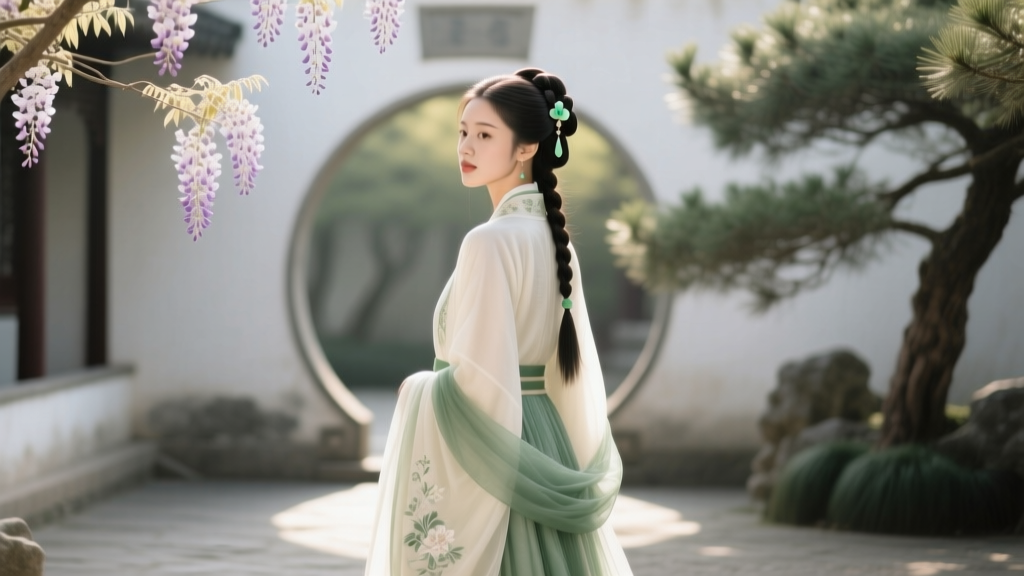
Originating from the cosmopolitan era of the Tang Dynasty (618–907 CE), the Daxiushan is characterized by its sweeping, floor-grazing sleeves and relaxed, open front. Historically worn by court women in Chang'an, this robe is crafted from lightweight, sheer silks. Modern Styling: Treat the Daxiushan as a statement duster coat. Wear it over a minimalist, form-fitting modern slip dress or a high-neck bodysuit to balance the overwhelming volume of the sleeves.
The Song Dynasty Beizi (Open-Front Robe)
Reflecting the intellectual and refined aesthetics of the Song Dynasty (960–1279 CE), the Beizi features a straight, slender silhouette with side slits extending to the armpit and narrow sleeves. Modern Styling: The Beizi is the most versatile robe for everyday modern wear. Its length and cut mimic the modern longline duster or kimono-style cardigan. Layer a linen Beizi over a crisp white t-shirt, tailored wide-leg trousers, and leather loafers for an effortless, intellectual aesthetic.
The Ming Dynasty Yuanlingpao (Round-Collar Robe)
The Yuanlingpao is a structured, round-collared robe that crosses over the chest and secures at the right shoulder. Popular during the Ming Dynasty (1368–1644 CE), it often features woven metallic threads and heavy brocades. Modern Styling: This robe bridges the gap between menswear-inspired tailoring and traditional elegance. Pair a dark, wool-blend Yuanlingpao with a black turtleneck, straight-leg denim, and Chelsea boots for a striking, gender-neutral winter look.
The Sacred Lapel: Navigating Cultural Protocols
Before integrating a robe hanfu into your wardrobe, mastering the foundational rule of Han Chinese dress is non-negotiable: Jiaoling Youren (交领右衽).
"The left lapel must always cross over the right lapel, securing on the wearer's right side. In traditional Han culture, reversing this (right over left) is strictly reserved for dressing the deceased for burial. Wearing it incorrectly is considered deeply disrespectful and a bad omen." — Curatorial guidelines on Han Chinese textile traditions, Victoria and Albert Museum Asian Collections.
Even when adapting a robe hanfu for avant-garde modern styling, maintaining the Jiaoling Youren cross-collar protocol demonstrates a foundational respect for the living culture and its historical continuity.
Seasonal Fabric Frameworks for Modern Styling
Authentic hanfu robes are defined by their textiles. The drape, weight, and movement of the garment change entirely based on the fabric composition. Below is a strategic guide to selecting robe fabrics based on seasonal styling needs.
| Season | Robe Style | Ideal Fabric Composition | Weight / Drape Characteristics |
|---|---|---|---|
| Spring | Song Beizi | Silk-Cotton Blends, Tencel | Medium weight (4-6 oz); structured but breathable drape. |
| Summer | Tang Daxiushan | Xiangyunsha (Mud Silk), Gauze | Ultra-lightweight (8-12 momme); crisp, cooling, and sheer. |
| Autumn | Ming Pifeng (Cloak) | Heavy Crepe de Chine, Linen | Heavy drape (19-22 momme); wind-resistant, elegant folds. |
| Winter | Ming Yuanlingpao | Wool Blends, Silk Brocade | Thick, insulated; holds rigid, architectural shapes. |
For summer styling, seek out Xiangyunsha (香云纱), a heritage silk from Guangdong province dyed with yam juice and river mud. As documented by textile conservationists at the Metropolitan Museum of Art, this unique curing process creates a naturally cooling, water-resistant silk that is highly prized for lightweight summer robes.
East Meets West: Contemporary Wardrobe Integration
The key to wearing a robe hanfu in 2026 without appearing as though you are attending a historical reenactment lies in juxtaposition. Contrast the fluid, ancient lines of the robe with sharp, modern, or utilitarian pieces.
- The Trench Coat Replacement: Use a mid-calf length Ming Dynasty Pifeng (open-front cloak) in place of a traditional beige trench coat. Cinch it with a modern leather belt over a monochrome turtleneck and midi skirt.
- Streetwear Fusion: Pair a shorter, hip-length Tang-style robe with high-waisted cargo pants and chunky sneakers. The contrast between the delicate silk jacquard and heavy utilitarian cotton creates a high-fashion silhouette.
- Office-Appropriate Layering: A sleeveless or short-sleeved Song Dynasty Beizi worn open over a tailored button-down shirt and wide-leg suit trousers offers a sophisticated, culturally rich alternative to the standard blazer.
Sourcing Authenticity: Price Tiers and Artisan Markers
The hanfu market is vast, ranging from mass-produced costume pieces to museum-quality artisan garments. When investing in a robe hanfu, understanding the price tiers ensures you are paying for accurate construction and quality textiles.
Tier 1: Commercial & Entry-Level ($45 – $120 USD)
Available on platforms like AliExpress or mainstream Taobao storefronts. These robes are typically made from polyester jacquards or rayon blends. While affordable, they often lack the proper flat-cutting techniques, resulting in awkward shoulder bunching. Best for casual wear or beginners experimenting with silhouettes.
Tier 2: Independent Studios & Mid-Range ($150 – $450 USD)
Studios such as Ming Huatang or Shisanyu specialize in historical accuracy. At this tier, you will find genuine mulberry silks, accurate Jiaoling Youren lapel angles, and traditional woven motifs rather than printed patterns. The construction utilizes internal ties rather than visible modern buttons, preserving the historical integrity of the robe.
Tier 3: Bespoke & Artisan Heritage ($800 – $2,500+ USD)
This tier encompasses hand-woven silks, authentic Xiangyunsha mud-silk, and hand-embroidered Suzhou silk threads. These robes are often commissioned directly from artisan cooperatives in Hangzhou or Suzhou. They are investment pieces that function as wearable heirlooms, featuring meticulous hand-finished seams and historically accurate loom-width fabric constraints.
Final Thoughts on Accessorizing the Robe
When styling your robe hanfu, avoid overly theatrical hairpieces or heavy stage makeup, which can push the outfit into costume territory. Opt for modern, minimalist jewelry—a simple jade pendant or a sleek metallic hair cuff. Footwear should remain grounded; leather mules, ankle boots, or clean white sneakers anchor the flowing robes in the present day. By respecting the garment's structural heritage while embracing modern styling contrasts, the robe hanfu becomes a powerful, living expression of Asian cultural identity in the contemporary world.