How to Style a Chinese Traditional Shirt: 2026 Guide

While global fashion enthusiasts frequently use the umbrella term chinese traditional shirt when searching for heritage-inspired menswear and womenswear, historians and sartorial experts recognize a rich tapestry of distinct garments. From the structured elegance of the Tangzhuang (唐装) to the flowing intellectualism of the Changshan (长衫) and the historical roots of the Ru (襦), these garments represent centuries of philosophical, aesthetic, and technical evolution. In 2026, the integration of these pieces into contemporary wardrobes has moved far beyond costume or novelty; it is a celebration of living heritage, artisanal craftsmanship, and mindful dressing.
Styling a Chinese traditional shirt for modern contexts requires an understanding of its architectural construction, a respect for its cultural symbolism, and a keen eye for fabric composition. This comprehensive guide will teach you how to seamlessly weave these masterpieces into your daily rotation, whether you are navigating a smart-casual office environment or attending a formal cultural gala.
Decoding the Anatomy: Beyond the Mandarin Collar
To style these garments authentically, one must first understand their anatomy. The Westernized term "Mandarin collar" is a reductive label for what is traditionally known as the Li Ling (立领), or standing collar. This collar is designed to frame the face and elongate the neck without the restrictive stiffness of a Western starched shirt collar.
The Art of Pan Kou (Frog Buttons)
The most defining feature of the Tangzhuang and many traditional shirts is the Pan Kou (盘扣). These are not merely fasteners; they are intricate, hand-knotted fabric buttons that carry profound symbolic weight. Crafted from bias-cut strips of silk or cotton, the knots often mimic flora and fauna—such as the plum blossom for resilience or the butterfly for joy. When purchasing a high-quality Chinese traditional shirt, inspect the Pan Kou. Authentic artisanal pieces feature tightly wound, firm knots that maintain their shape over time, whereas mass-produced fast-fashion variants often use flimsy, machine-stitched loops that unravel and sag.
Flat-Cutting Philosophy
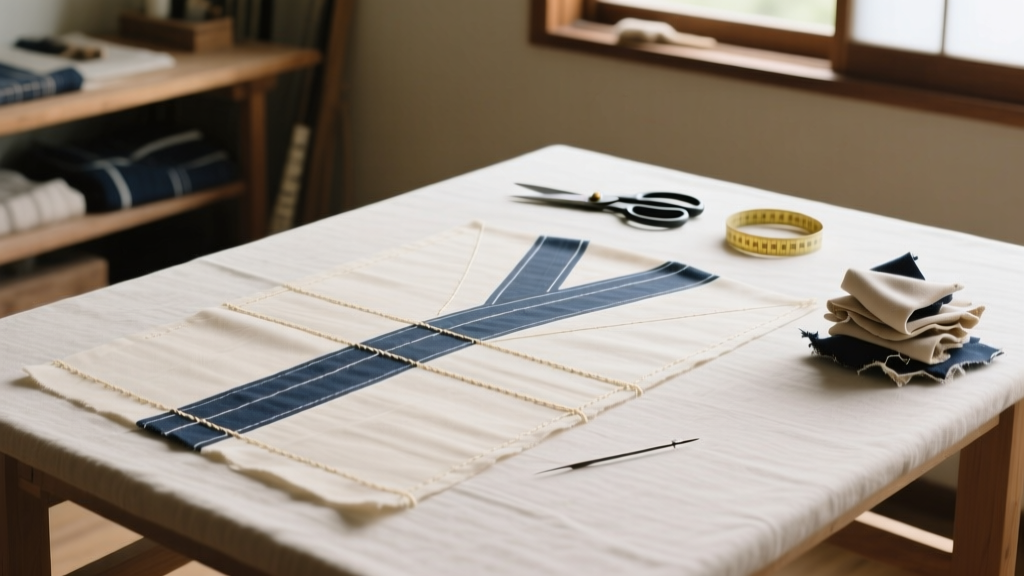
"The beauty of the Chinese traditional shirt and robe lies in its flat construction. Unlike Western tailoring, which cuts fabric to fit the body's curves, traditional Chinese garments are cut from whole pieces of cloth, honoring the weave and creating a silhouette that flows dynamically with movement." — Curatorial notes from the Victoria and Albert Museum's Asian Textile archives.
This two-dimensional cutting technique means the shirt will drape differently than a Western button-down. It requires the wearer to embrace a slightly relaxed, unstructured fit, allowing the fabric to cascade naturally over the shoulders.
Modern Wardrobe Integration: Styling Frameworks
The key to wearing a Chinese traditional shirt in 2026 without appearing as though you are wearing a theatrical costume is contrast. By pairing heritage garments with contemporary, minimalist staples, you allow the intricate details of the traditional piece to take center stage.
Menswear: The Smart-Casual Tangzhuang
For men, the Tangzhuang (a modern evolution of the Qing dynasty Magua or riding jacket) is an exceptional alternative to the standard blazer or sports coat.
- The Office-Ready Look: Opt for an unstructured, matte-finished linen or cotton-blend Tangzhuang in charcoal, navy, or slate. Wear it open over a crisp, high-quality white crewneck t-shirt, paired with tailored pleated trousers and minimalist leather loafers. The contrast between the ancient knot buttons and the modern minimalist tee creates a sophisticated, cosmopolitan silhouette.
- The Evening Ensemble: For dinner or cultural events, choose a silk-blend Tangzhuang with a subtle jacquard weave. Pair it with dark, selvedge denim and Chelsea boots. Avoid overly shiny brocades for casual evening wear, as high-sheen fabrics can skew toward costume-like in dim lighting.
Womenswear: Layering the Ru and Changshan
Women have the versatility of styling both the cropped Ru (historically worn as an upper garment in Ruqun sets) and the longer, tunic-like Changshan.
- Contemporary Elegance: A silk Ru with delicate floral embroidery can be tucked into a high-waisted, wide-leg wool trouser. The standing collar provides a regal neckline, while the wide trousers balance the proportions, echoing the historical silhouette of the Song Dynasty but with modern tailoring.
- Transitional Weather Layering: A lightweight, mid-thigh Changshan made from raw silk or ramie can be worn open as a duster coat over a sleek black turtleneck and straight-leg jeans. This creates a striking, avant-garde look that honors the garment's intellectual history—often associated with scholars and writers of the Republican era.
The Fabric Matrix: Choosing by Season and Occasion
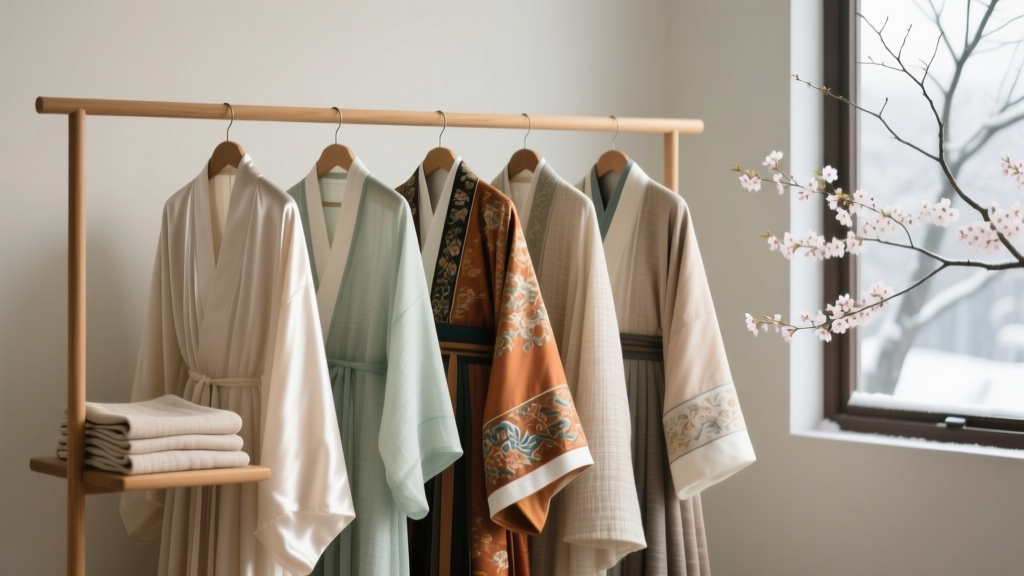
The material of your Chinese traditional shirt dictates its drape, formality, and seasonal appropriateness. Investing in heritage fabrics not only elevates your personal style but supports traditional weaving communities.
| Fabric Type | Native Term & Origin | Best Season | Avg. Garment Price (USD) | Styling Notes |
|---|---|---|---|---|
| Xiangyunsha Silk | 香云纱 (Guangdong Gambiered Gauze) | Summer / Early Autumn | $350 - $800+ | Dyed with yam juice and river mud. Has a unique rustling sound and a dark, earthy sheen. Highly breathable and antibacterial. |
| Song Brocade | 宋锦 (Suzhou) | Winter / Formal Events | $200 - $600 | Features intricate, low-relief geometric and floral patterns. Ideal for structured Tangzhuang jackets and formal gala wear. |
| Raw Ramie | 苎麻 (Traditional Summer Cloth) | Peak Summer | $80 - $180 | Crisp, textured, and highly absorbent. Perfect for relaxed, scholarly Changshan tunics and casual daily wear. |
| Mulberry Silk Crepe | 真丝绉 (Classic Silk) | Spring / Indoor Formal | $150 - $400 | Matte finish with a beautiful fluid drape. Excellent for women's Ru blouses and lightweight layering pieces. |
Sourcing and Price Guide: Where to Buy Authentic Pieces
The market is flooded with cheap, polyester "festival wear" that misrepresents the dignity of Chinese sartorial history. To build a wardrobe of genuine Chinese traditional shirts, you must know where to look and what to expect financially.
1. Artisan Cooperatives and Custom Tailors ($250 - $1,000+)
For authentic Xiangyunsha or hand-embroidered pieces, seek out heritage brands based in Suzhou, Hangzhou, or Shanghai's historic French Concession. Brands like Shanghai Tang (for modern luxury interpretations) or specialized boutiques on Taobao and Etsy that partner directly with the China National Silk Museum recognized artisans offer bespoke measurements. Custom tailoring is highly recommended, as the flat-cutting method requires precise shoulder and sleeve length measurements to ensure the garment drapes correctly on non-Asian body types.
2. Contemporary Heritage Brands ($100 - $300)
Brands that blend traditional construction with modern sizing are excellent entry points. Look for brands that explicitly detail their use of natural fibers and traditional Pan Kou knotting. These pieces often feature slight modifications, such as hidden side-zippers alongside decorative front knots, making them easier to put on while maintaining the visual aesthetic.
3. Vintage and Antique Markets ($50 - $200)
Sourcing vintage Republican-era (1912-1949) Changshan or mid-century Tangzhuang from curated vintage dealers offers unparalleled fabric quality. However, be mindful of the fragility of antique silks and the necessity of specialized dry cleaning.
Cultural Etiquette and Respectful Wear
Wearing garments from a culture not your own requires a foundation of respect and awareness. The global appreciation of Asian traditions is growing, as documented in extensive exhibitions like those at The Metropolitan Museum of Art's archives on Chinese dress, which highlight the profound impact of Chinese aesthetics on global fashion. To wear these pieces respectfully, observe the following cultural protocols:
- Color Symbolism: Red is inherently auspicious, reserved for weddings, Lunar New Year, and joyous celebrations. Wearing a bright red Tangzhuang to a somber event or a standard business meeting can be seen as culturally tone-deaf. Conversely, stark white and unadorned black are historically associated with mourning; while modern fashion has relaxed this, heavily traditional contexts still observe these color boundaries.
- Motif Awareness: The five-clawed dragon is an imperial symbol. While modern streetwear frequently appropriates this motif, wearing a highly traditional, embroidered dragon shirt to a formal cultural gathering may be viewed as presumptuous. Opt for botanical motifs—bamboo for integrity, orchids for elegance, or plum blossoms for perseverance—which are universally respected and deeply poetic.
- Left over Right (Jiaoling Youren): While center-front closures are common on Tangzhuang, if you are wearing wrap-style upper garments or robes, always ensure the left side crosses over the right. The reverse (right over left) is strictly reserved for dressing the deceased in traditional Han culture.
Final Thoughts on the 2026 Silhouette
The Chinese traditional shirt is not a relic of the past; it is a dynamic, breathing element of global menswear and womenswear. By prioritizing natural heritage fabrics like ramie and gambiered gauze, respecting the architectural brilliance of the Pan Kou, and styling these pieces with modern minimalist contrast, you participate in the ongoing evolution of one of the world's most profound sartorial traditions. Dress with intention, honor the craftsmanship, and let the garment speak its history through your modern silhouette.