The Ultimate Song Dynasty Hanfu Care & Maintenance Guide

Understanding the Architecture of Song Dynasty Hanfu
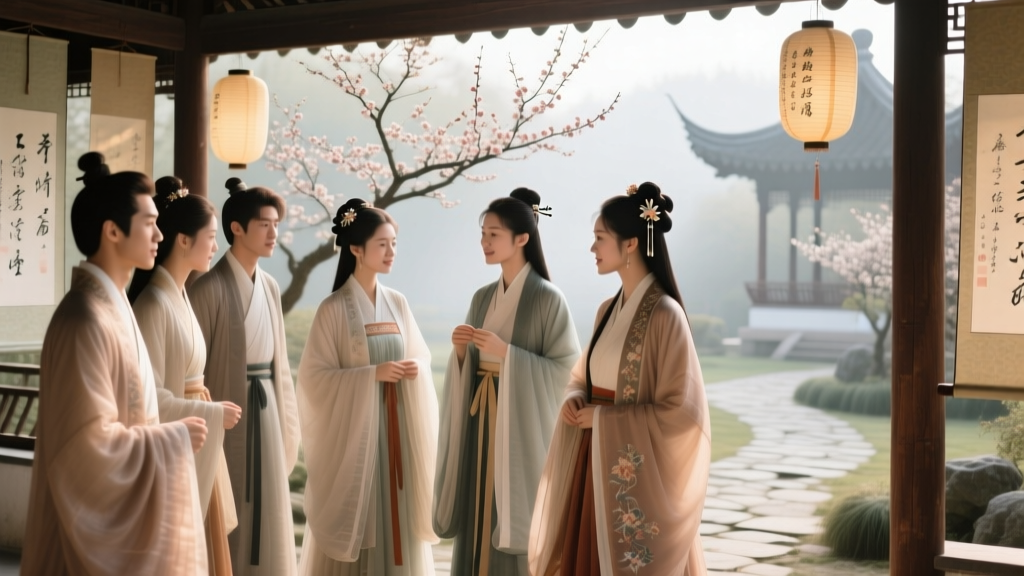
The Song Dynasty (960–1279 CE) represents a pinnacle of refined, understated elegance in Chinese sartorial history. Unlike the bold, extravagant silhouettes of the preceding Tang era, Song Dynasty hanfu is characterized by slender lines, subtle layering, and a profound appreciation for textile texture and natural dyes. For modern enthusiasts and collectors, maintaining these garments requires more than basic laundry skills; it demands an understanding of historical textile engineering. Authentic, artisan-crafted Song-style garments—particularly those utilizing heritage weaving techniques from Suzhou and Hangzhou—can range from ¥2,000 to ¥8,000 RMB ($280 to $1,100 USD). Proper care is both a financial necessity and a way to honor the living heritage of Chinese silk artisans.
The Quintessential Beizi (褙子)
The Beizi is the defining outerwear of the Song era. Characterized by its straight, side-slit silhouette and parallel collars that extend down the front, the Beizi is often crafted from lightweight, breathable silks. Because the collar and cuffs frequently feature delicate embroidery or contrasting trim, these high-friction areas are particularly susceptible to wear, snagging, and oil transfer from the skin. Care must be heavily focused on protecting these structural seams and embroidered motifs.
Mastering the Baizhequn (百褶裙) Pleats
While the Tang dynasty favored voluminous, sweeping skirts, the Song aesthetic embraced the Baizhequn (hundred-pleat skirt) and the Liangpianqun (two-piece wrapped skirt). The Baizhequn relies on heat-set or chemically treated silk to maintain dozens of micro-pleats. Improper washing or aggressive wringing will instantly destroy the pleat memory, transforming a structured, elegant skirt into a shapeless tube of fabric.
Textile Composition: Luo, Juan, and Qi
To clean Song Dynasty hanfu correctly, you must first identify the weave. The Song era was famous for its mastery of complex silk structures, each requiring a distinct conservation approach.
- Luo (罗 - Gauze): A complex warp-twisted weave that creates a breathable, mesh-like fabric. Luo is highly prized for summer Beizi but is notoriously prone to snagging. It must never be washed with garments that have zippers, hooks, or rough textures.
- Juan (绢 - Tabby Silk): A plain, tightly woven silk often used for inner garments like the Moxiong (tube top/bodice) or as a canvas for embroidery. It is relatively durable but can water-spot easily if dried improperly.
- Qi (绮 - Damask): Featuring woven geometric or floral patterns, Qi relies on the contrast of light hitting different weave structures. Aggressive brushing or machine washing will cause the floating threads to pill, destroying the damask pattern.
The Washing Protocol: Hand-Cleaning Silk Fibroin
Silk is a natural protein fiber composed of fibroin and sericin. Alkaline detergents, high heat, and enzymatic cleaners will break down the peptide bonds in the fibroin, leading to irreversible tensile weakness and yellowing. According to conservation guidelines outlined by the Victoria and Albert Museum's textile conservation department, historic and delicate silks require a strictly neutral pH environment.
Step-by-Step Hand Washing
- Preparation: Fill a clean basin with cool water (strictly below 30°C / 86°F). Add a few drops of pH-neutral silk wash or baby shampoo. Avoid standard biological laundry detergents, as the enzymes will digest the silk protein.
- Submersion: Gently submerge the garment. Do not rub, twist, or scrub the fabric. Instead, use a gentle pressing motion with your hands to push the soapy water through the fibers.
- Targeted Stain Care: For localized stains on the cuffs or collar, apply a tiny amount of silk wash directly to the spot and gently tap it with a soft, natural-bristle brush or your fingertips. Never use a stiff brush on Luo or Qi weaves.
- Rinsing: Drain the soapy water and refill with cool, clean water. Repeat until the water runs entirely clear. To restore the natural luster of the silk and remove any residual alkalinity, add a tablespoon of white vinegar to the final rinse bath.
Drying Techniques and Pleat Preservation
Never wring out a Song Dynasty silk garment. The mechanical stress will fracture the fibers and permanently distort the weave. Instead, lay the wet garment flat on a clean, colorfast cotton towel. Roll the towel and the garment together like a sleeping bag, pressing gently to absorb excess moisture.
Preserving the Baizhequn Pleats
Drying a pleated skirt requires immediate intervention. While the Baizhequn is still damp, lay it flat on a drying rack. Carefully align the pleats with your fingers, ensuring they follow their original set lines. You can use rust-proof stainless steel clips or wooden pegs to secure the pleats at the waistband and hem while the skirt air-dries. Never hang a wet pleated skirt, as the weight of the water will pull the pleats out of alignment before they can set.
UV Degradation Prevention
Natural dyes used in historically accurate hanfu—such as indigo, madder root, and rattan yellow—are highly photosensitive. Ultraviolet light will cause rapid fading and structural degradation of the silk. Always dry your garments indoors or in a heavily shaded, well-ventilated area. The Metropolitan Museum of Art's Textile Conservation guidelines emphasize that prolonged exposure to direct sunlight is one of the primary causes of silk embrittlement.
Archival Storage: Protecting Your Investment
How you store your Song Dynasty hanfu when not in use is just as critical as how you wash it. Silk is highly susceptible to environmental fluctuations, mold, and acid transfer from standard wooden or cardboard storage containers.
Storage Methods by Garment Type
| Garment Type | Primary Material | Recommended Storage Method | Rationale |
|---|---|---|---|
| Beizi (Outer Jacket) | Luo (Gauze) / Qi (Damask) | Padded Hanger inside Cotton Cover | Prevents shoulder dimples and allows the side slits to hang naturally without creasing the warp threads. |
| Baizhequn (Pleated Skirt) | Juan (Tabby) / Synthetic Blend | Rolled around Acid-Free Tube | Folding crushes the heat-set pleats. Rolling maintains the cylindrical memory of the folds. |
| Moxiong (Inner Bodice) | Juan (Tabby) / Linen | Folded with Acid-Free Tissue | Small, structured garments can be folded, but tissue paper prevents hard creases from breaking the fibers over time. |
| Embroidered Pieces | Duan (Satin) / Heavy Silk | Flat Archival Box | Heavy embroidery can pull and distort the base fabric if hung. Flat storage distributes the weight evenly. |
Environmental Controls
For long-term storage, the environment must be strictly controlled. Aim for a Relative Humidity (RH) between 50% and 55%. Humidity above 65% invites mold and mildew, which will permanently stain silk and cause rot. Humidity below 40% will cause the silk fibroin to become brittle and shatter. Maintain a stable temperature around 18°C to 20°C (64°F to 68°F). Avoid storing hanfu in cedar chests without a protective barrier; while cedar repels moths, the natural oils and acidic resins in the wood can transfer to the silk and cause yellowing. Always line wooden drawers or chests with washed, unbleached cotton muslin or archival-quality polyethylene sheeting.
Stain Removal and Emergency Conservation
Accidents happen, especially during festivals or tea ceremonies where Song Dynasty hanfu is frequently worn. If you spill tea, wine, or oil on your garment, time is of the essence.
'When dealing with historic or delicate protein fibers, the first rule of stain removal is to do no harm. Blot, never rub, and avoid harsh chemical solvents that may strip the natural sericin coating or dissolve natural dyes.' — Principles of Textile Conservation
For water-based stains like tea, immediately blot the area with a clean, absorbent microfiber cloth. Do not apply water directly to the stain, as this can cause a water ring on Juan or Duan silks. For oil-based stains, sprinkle a small amount of cornstarch or talcum powder over the spot to absorb the lipid. Let it sit for several hours before gently brushing it away with a soft makeup brush. If the stain persists, do not attempt aggressive home remedies. Consult a professional textile conservator who specializes in Asian garments and natural dyes.
Conclusion: Respecting the Living History
Caring for Song Dynasty hanfu is an exercise in mindfulness. The minimalist beauty of the Beizi and the intricate geometry of the Baizhequn rely entirely on the integrity of their fibers and the precision of their construction. By adopting museum-grade washing protocols, utilizing pH-neutral chemistry, and investing in proper archival storage, you ensure that these garments remain not just beautiful clothing, but enduring artifacts of Chinese cultural heritage. Whether you are wearing a heritage-piece woven on traditional wooden looms or a modern interpretation crafted from high-grade mulberry silk, treating your garments with this level of respect guarantees they will continue to drape, flow, and inspire for generations to come.