Short Qipao Care Guide: Maintaining Your Summer Cheongsam
The Evolution and Elegance of the Short Qipao
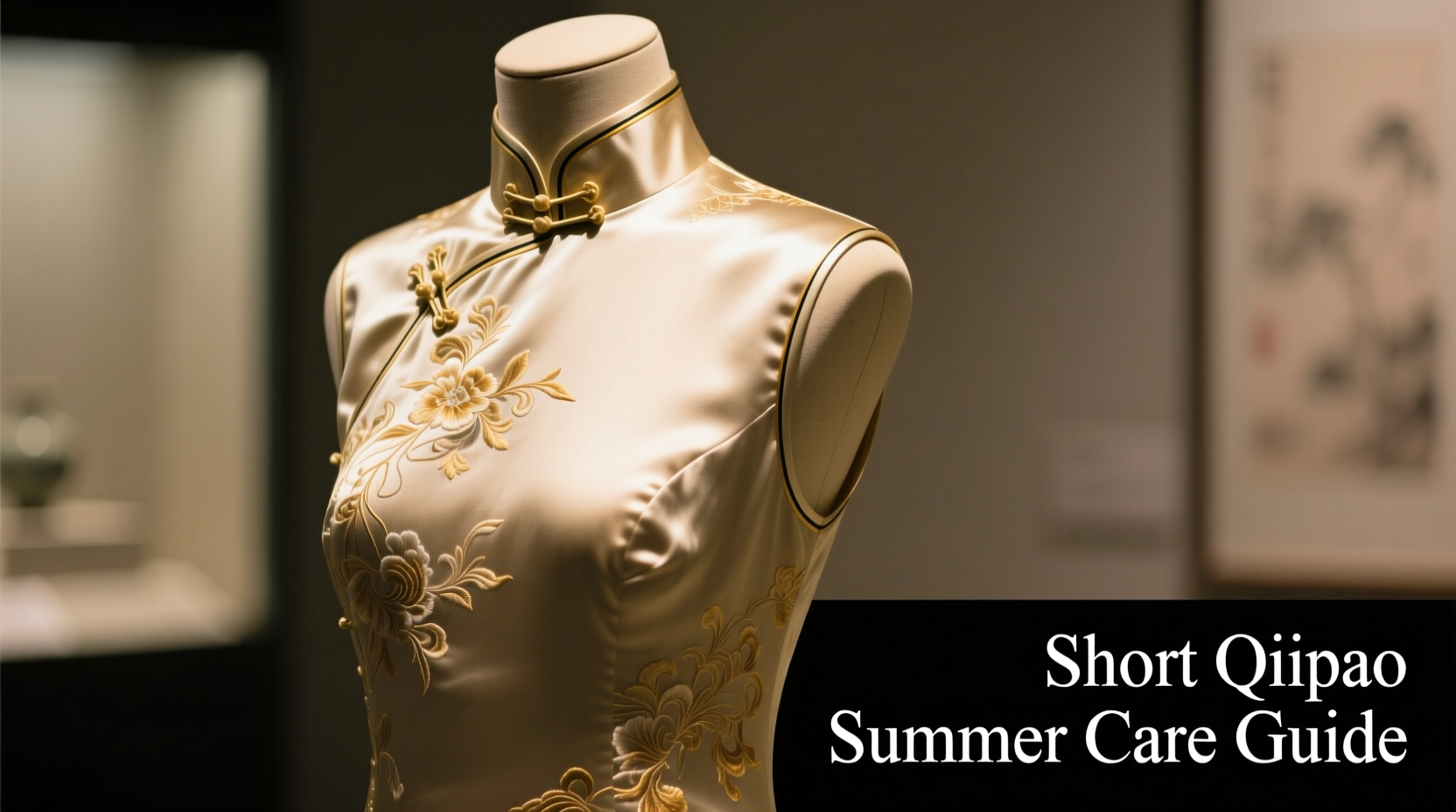
The qipao (旗袍), also widely known as the cheongsam, is one of the most iconic garments in Asian sartorial history. While traditional winter iterations are often crafted from heavy, floor-length silk brocades, the short qipao—characterized by its knee-length or above-knee hemline and short sleeves (or sleeveless cut)—represents a revolutionary moment in 1920s and 1930s Shanghai. Pioneered by female students and modernists, this Haipai (Shanghai-style) variation offered unprecedented mobility and became the definitive summer dress for the modern Asian woman.
Today, the short qipao remains a beloved warm-weather staple. However, because it is worn during hotter months and often crafted from lightweight, delicate textiles like mulberry silk, linen, and ramie, it requires a highly specific maintenance regimen. Summer sweat, environmental humidity, and frequent wear can rapidly degrade natural fibers if not treated with cultural and textile expertise. This comprehensive care guide will ensure your short qipao retains its structural integrity, vibrant dyes, and historical elegance for generations.
Fabric Identification: The Foundation of Qipao Care
Before applying water or heat to your garment, you must accurately identify the textile. The short qipao utilizes a variety of summer-appropriate fabrics, each with distinct chemical and structural properties. According to the China National Silk Museum, understanding the protein structure of silk versus the cellulose structure of plant fibers is the first step in garment preservation.
| Fabric Type | Characteristics & Summer Use | Washing Protocol | Ironing Temperature |
|---|---|---|---|
| Mulberry Silk (Sang蚕丝) | Lightweight, breathable, high sheen. Common in elegant daywear. | Hand-wash cold; pH-neutral detergent only. | Low heat (110°C) with a pressing cloth. |
| Xiangyunsha (Gambiered Gauze) | Coated in river mud and yam juice. Naturally cooling, water-resistant. | Spot clean or rinse in plain cool water. No soap. | Do not iron; steam lightly from a distance. |
| Linen & Ramie Blends | Highly absorbent, crisp drape, prone to wrinkling. Ideal for casual wear. | Hand or gentle machine wash; can tolerate mild alkaline detergents. | High heat (200°C) while slightly damp. |
| Cotton Sateen | Soft, matte finish, holds structured collars well. | Hand-wash warm; avoid vigorous wringing. | Medium heat (150°C) inside out. |
The Art of Washing: Combating Summer Oils and Salts
The primary enemy of the short summer qipao is human perspiration. Sweat contains urea, salts, and lactic acid, which can cause silk fibroin to weaken and yellow over time. Unlike heavy winter coats that are spot-cleaned and aired out, a short-sleeved summer qipao must be cleaned after every one to two wears.
Step-by-Step Hand-Washing Protocol for Silk
- Water Temperature: Fill a clean basin with cool water (below 30°C / 86°F). Hot water will cause the delicate bias-cut seams to warp and the natural dyes to bleed.
- Detergent Selection: Use a pH-neutral liquid detergent specifically formulated for silk or baby hair. Standard laundry detergents are highly alkaline and will strip the sericin (the natural protective gum) from the silk threads, leaving the garment brittle.
- The Dip and Press Method: Submerge the qipao and gently press the water through the fabric. Never twist, scrub, or wring the garment. The bias cut (xie cai) relies on the diagonal stretch of the weave; twisting will permanently distort the silhouette.
- Rinsing: Rinse in cool water until all suds are gone. For the final rinse, add a tablespoon of white vinegar to the water. This restores the silk's natural acidity and enhances its luster.
Preserving the Pankou (Frog Closures)
The pankou (盘扣), or intricately knotted frog closures, are the soul of the qipao. In high-end short qipaos, these knots are hand-rolled from silk strips and sometimes stiffened with cotton thread or fine copper wire to maintain their floral or geometric shapes.
'The pankou is not merely a fastener; it is a piece of soft sculpture. Submerging stiffened knotwork in water can cause the inner armature to rust or the silk wrapping to fray and loosen.' — Textile Conservation Guidelines, Victoria and Albert Museum Asian Collections.
Maintenance Tip: When washing your short qipao, try to keep the pankou dry by holding them above the waterline if possible. If they become soiled with makeup or skin oils, use a soft-bristled makeup brush dipped in a tiny amount of micellar water to gently spot-clean the knots. Allow them to air dry completely before storing to prevent mildew in the dense knot centers.
Drying and Ironing: Protecting the Bias Cut
The 1930s introduction of Western bias-cutting techniques to the traditional Shanghai qipao allowed the garment to cling elegantly to the body's natural curves without the need for darts. However, a wet bias-cut garment is highly vulnerable to gravity.
Drying Rules
- Never use a mechanical dryer. The tumbling and heat will destroy the fiber structure and shrink the garment unevenly.
- Avoid direct sunlight. UV rays will rapidly fade the vibrant jewel tones and botanical prints typical of summer cheongsams, and will yellow white or pale silks.
- Flat drying is mandatory. Lay the qipao flat on a clean, dry cotton towel on a mesh drying rack. Gently pat it into its original shape. Hanging a wet silk qipao will cause the water weight to pull the bias seams out of alignment, resulting in a twisted, unwearable hemline.
Ironing Techniques
Always iron your short qipao while it is still slightly damp, or use a spray bottle to mist it evenly. Turn the garment inside out to protect the outer face from developing a synthetic-looking shine (a common issue when hot iron plates press directly onto silk). Use a clean, white cotton pressing cloth between the iron and the fabric. Pay special attention to the high collar (yingzi), using the tip of the iron to press the stiff interfacing flat without crushing the outer silk layer.
Seasonal Storage and Moth Prevention
When the summer season ends, proper storage is critical. The short qipao's lightweight nature makes it a prime target for clothes moths and carpet beetles, which are attracted to the proteins in silk and the residual salts from sweat.
- The Hanger Dilemma: Never hang a heavy, beaded, or delicate silk qipao on a wire or thin wooden hanger. The concentrated weight will create permanent 'shoulder horns' (bumps) and stress the side seams. If you must hang it, use a wide, padded satin hanger.
- Folding Method: For long-term storage, folding is safer. Pad the folds with acid-free tissue paper to prevent sharp creases from breaking the silk fibers over time. Never fold the garment directly over the pankou closures; the pressure will permanently flatten the knots.
- Breathable Enclosures: Store the folded qipao in a 100% cotton garment bag. Avoid plastic dry-cleaning bags, which trap moisture and emit gases that can yellow silk and cause 'dry rot'.
- Natural Repellents: Avoid chemical mothballs (naphthalene), which leave a toxic, nearly impossible-to-remove odor on porous natural fibers. Instead, use blocks of untreated cedarwood or dried lavender sachets placed near (but not directly touching) the fabric to deter pests naturally.
Respecting a Living Tradition
Caring for a short qipao is an act of cultural preservation. Whether your garment is a vintage 1930s Haipai piece sourced from an antique dealer in Shanghai, or a contemporary linen blend commissioned from a modern tailor in Hong Kong, it carries the legacy of Asian feminist history and sartorial innovation. By understanding the specific needs of its fibers, respecting the hand-crafted pankou, and employing gentle, mindful maintenance techniques, you ensure that this beautiful, kinetic garment continues to be worn and celebrated in the modern era.
For further reading on the historical evolution of Chinese dress and textile conservation, consult the archives of the Shanghai Museum and the extensive Asian textile conservation resources provided by global heritage institutions.