Authentic Chinese Women Dress: 2026 Buyer Guide

Decoding the "Women Chinese Dress": Beyond the Monolith
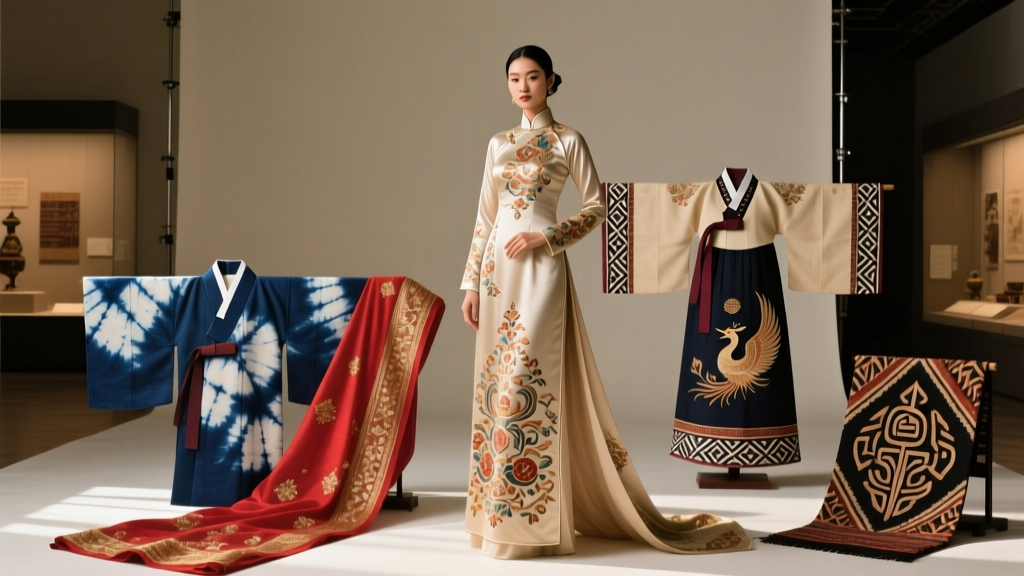
When international buyers search for a women Chinese dress, the results often blur thousands of years of distinct sartorial evolution into a single, generalized category. However, as we navigate the 2026 retail landscape, cultural appreciation demands precision. The term broadly encompasses three entirely different garment lineages: the form-fitting Qipao (Cheongsam), the flowing, multi-layered Hanfu, and the structured, festive Tangzhuang (Tang Suit).
Whether you are sourcing a museum-grade vintage piece, commissioning a bespoke silk gown in Shanghai, or importing modern Hanfu from specialized artisans, understanding the construction, textiles, and cultural protocols of these garments is essential. This comprehensive buying guide will help you invest in authentic pieces while respecting the living traditions they represent.
The Qipao (旗袍): Shanghai Elegance and Bias-Cut Mastery
Originating from the Manchu banner robes of the Qing Dynasty, the modern qipao was revolutionized in 1920s and 1930s Shanghai. It is defined by its mandarin collar (yuanbao ling), asymmetrical front opening, and side slits (kaicha). A true artisan qipao is cut on the bias to drape fluidly over the body without relying on darts, utilizing flat-felled seams and hand-rolled pankou (frog closures). According to archives at The Metropolitan Museum of Art, the 1930s Shanghai qipao represents a pinnacle of East-meets-West sartorial modernism.
Hanfu (汉服): The Revival of Pre-Qing Heritage
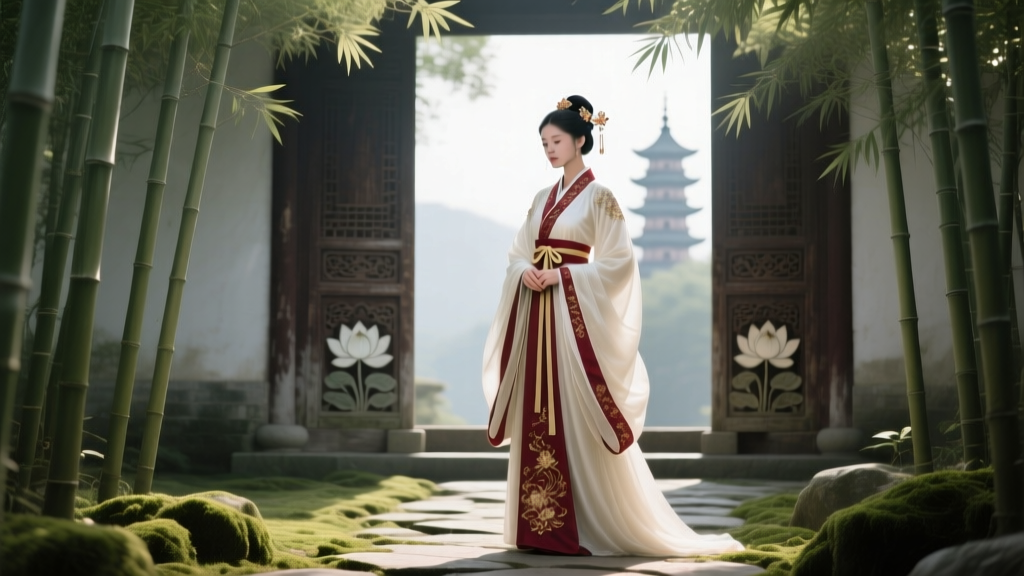
Hanfu refers to the historical dress of the Han people, spanning from the Huangdi era to the late Ming Dynasty. It is characterized by wide sleeves, flowing skirts, and the strict jiaoling youren (cross-collar, right lapel over left) rule. The modern Hanfu movement (Hanfu Yundong) has sparked a massive retail renaissance, with styles like the Mamianqun (horse-face skirt) and Ruqun (blouse and skirt ensemble) becoming mainstream fashion in China and globally.
Tangzhuang (唐装): The Festive Silhouette
Despite its name, the modern Tang Suit is not from the Tang Dynasty. It is a hybrid garment created for the 2001 APEC summit, blending Manchu jacket silhouettes with Western tailoring and traditional Song brocade (Song Jin). It remains a popular choice for Lunar New Year celebrations and elder family members at weddings.
Fabric & Construction: What Justifies the Price?
The price disparity in the women Chinese dress market is vast, ranging from $40 mass-produced polyester costumes to $3,000+ bespoke silk commissions. The primary differentiator is the textile and the labor-intensive finishing techniques.
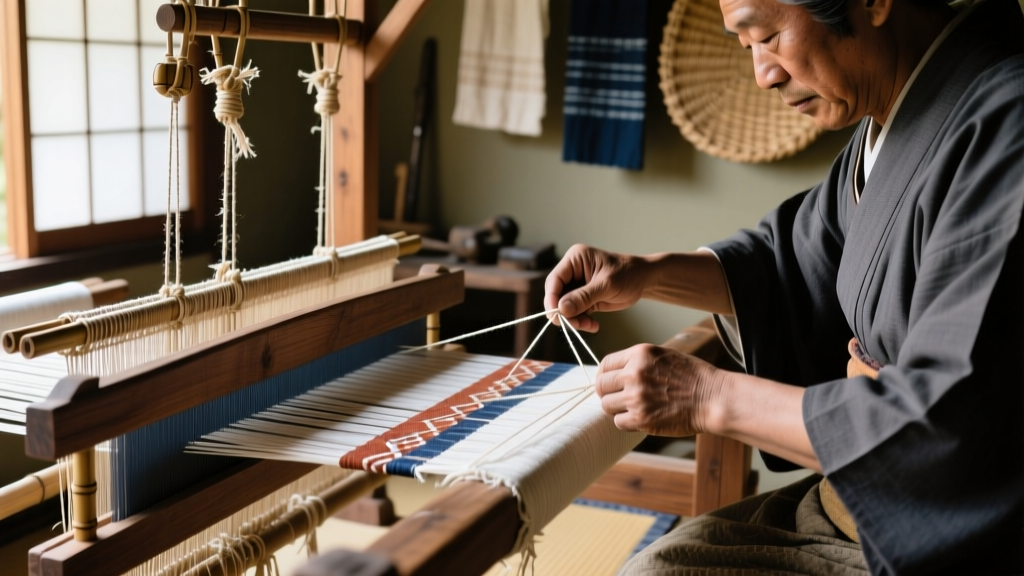
- Xiangyunsha (香云纱): Known as "soft gold," this Cantonese gauze silk is dyed using the juice of the Dioscorea cirrhosa yam and coated with iron-rich river mud from the Pearl River Delta. It requires weeks of sun-baking and hand-kneading, resulting in a dark, crackled, water-resistant fabric that can exceed $300 per yard.
- Shu Brocade (蜀锦) & Song Brocade (宋锦): Heavy, intricately jacquard-woven silks originating from Sichuan and Suzhou. Authentic brocades feature complex metallic thread work and are highly structured, making them ideal for winter qipaos and Mamianqun skirts.
- Pankou (盘扣) Knots: On a high-end qipao, these closures are not factory-stamped. Artisans use silk strips wrapped around copper wire to sculpt intricate motifs like plum blossoms, swallows, or butterflies, taking up to four hours per knot.
2026 Price & Material Comparison Chart
| Garment Type | Authentic Fabric Standard | Price Range (USD) | Best Occasion |
|---|---|---|---|
| Bespoke Qipao | Mulberry Silk Crepe / Xiangyunsha | $600 - $2,500+ | Weddings, Galas, Formal Dinners |
| Ready-to-Wear Qipao | Silk Blend / High-Grade Rayon | $120 - $350 | Cocktail Parties, Office Wear |
| Mamianqun (Hanfu) | Woven Jacquard / Brocade | $80 - $250 | Festivals, Cultural Events, Daily |
| Full Ruqun Set (Hanfu) | Chiffon / Raw Silk / Linen | $90 - $300 | Tea Ceremonies, Photoshoots |
| Tangzhuang Jacket | Poly-Brocade / Cotton Blend | $50 - $150 | Lunar New Year, Family Gatherings |
Where to Shop: Top Retailers for Authentic Garments in 2026
Finding an authentic women Chinese dress requires looking beyond generic fast-fashion marketplaces. Here is where serious collectors and cultural enthusiasts shop today.
1. Bespoke Qipao Tailors (Shanghai & Hong Kong)
For a true Shanghai-style qipao, bespoke is the gold standard. In Shanghai, the tailors along Maoming South Road and Changle Road remain the epicenter of qipao craftsmanship. Brands like Hanart (with locations in Shanghai and Taipei) offer exquisite, historically informed tailoring using premium silks. In Hong Kong, Blanc de Chine elevates the qipao to luxury fashion status, though at a premium price point. For accessible bespoke, many buyers utilize Shanghai-based tailors on Taobao who offer remote measuring guides and international shipping via agents like Superbuy.
2. Authentic Hanfu E-Commerce Specialists
The Hanfu market is dominated by specialized Chinese brands that release seasonal collections based on historical artifacts. ShisanYu (十三余) is renowned for its whimsical, embroidery-heavy designs, while Minghuatang (明华堂) is the undisputed master of museum-grade Ming Dynasty reconstructions, utilizing genuine gold-leaf weaving and authentic loom techniques. International buyers can access these brands via global proxy shopping services or dedicated Western-facing Hanfu boutiques like Newhanfu and Hanfu Culture, which curate authentic pieces and provide English-language sizing support.
3. Vintage and Museum-Grade Sourcing
For collectors seeking mid-century qipaos (1930s-1960s), platforms like 1stDibs and specialized Etsy vintage curators (such as *PekingDress* or *VintageShanghai*) are invaluable. When buying vintage, look for hand-finished seams, metal zippers (a 1940s innovation), and the subtle fading of natural aniline dyes. The China National Silk Museum frequently hosts exhibitions that highlight these historical construction markers, serving as a great reference for authenticating vintage purchases.
Sizing, Fit, and Cultural Etiquette
Purchasing traditional Asian garments requires an understanding of regional sizing and cultural protocols to ensure both a proper fit and respectful wear.
The Sizing Translation
Chinese sizing runs significantly smaller than US or EU standards. A US Size 6 typically translates to a Chinese XL or XXL. When buying Hanfu, pay attention to the skirt length rather than just the waist, as Mamianqun skirts are designed to sit high on the natural waist and graze the ankle. For bespoke qipaos, you will need to provide up to 18 distinct measurements, including the hollow of the neck, the apex of the bust, and the exact circumference of the bicep.
The "Left over Right" Rule (右衽)
When wearing Hanfu or traditional cross-collar garments, the left side of the collar must always cross over the right side, securing on the right side of the body. This is known as youren. Reversing this (left lapel under right) is known as zuoren and is strictly reserved for dressing the deceased in traditional Han burial rites. Getting this right is a fundamental sign of cultural respect.
Expert Note on Cultural Appreciation: The term "costume" carries a reductive, theatrical connotation. When purchasing a women Chinese dress, approach it as you would a Western formal gown or a tailored suit. Acknowledge the garment's lineage, support authentic artisans rather than fast-fashion knockoffs, and wear it with an understanding of its historical weight. For deeper textile context, the Victoria and Albert Museum's Asian Collections offer brilliant digital archives on the evolution of Chinese silk weaving and garment structure.
Care and Maintenance of Silk Heritage
Authentic silk garments require meticulous care. Never machine-wash a silk qipao or Xiangyunsha Hanfu. Xiangyunsha, in particular, should only be spot-cleaned or professionally dry-cleaned by specialists familiar with mud-silk textiles, as harsh chemicals will strip its protective iron-mud coating. Store heavy brocade Mamianqun skirts flat or rolled to prevent the metallic threads from snapping, and use padded hangers for qipaos to avoid shoulder dimples in the delicate bias-cut silk.
Final Verdict: Investing in Your Garment
The market for the women Chinese dress in 2026 is richer and more accessible than ever, provided you know where to look. If you desire sleek, modern elegance, invest in a bespoke silk qipao from a Shanghai-trained tailor. If you wish to immerse yourself in the poetic, flowing aesthetics of ancient China, curate a Hanfu wardrobe from specialized brands like Minghuatang or ShisanYu. By prioritizing authentic textiles, respecting historical construction, and supporting traditional artisans, your garment will be more than just clothing—it will be a wearable piece of living history.