Shop Chinese Fashion By Dynasty: 2026 Hanfu Buyer's Guide
The Hanfu Revival: Navigating Historical Silhouettes
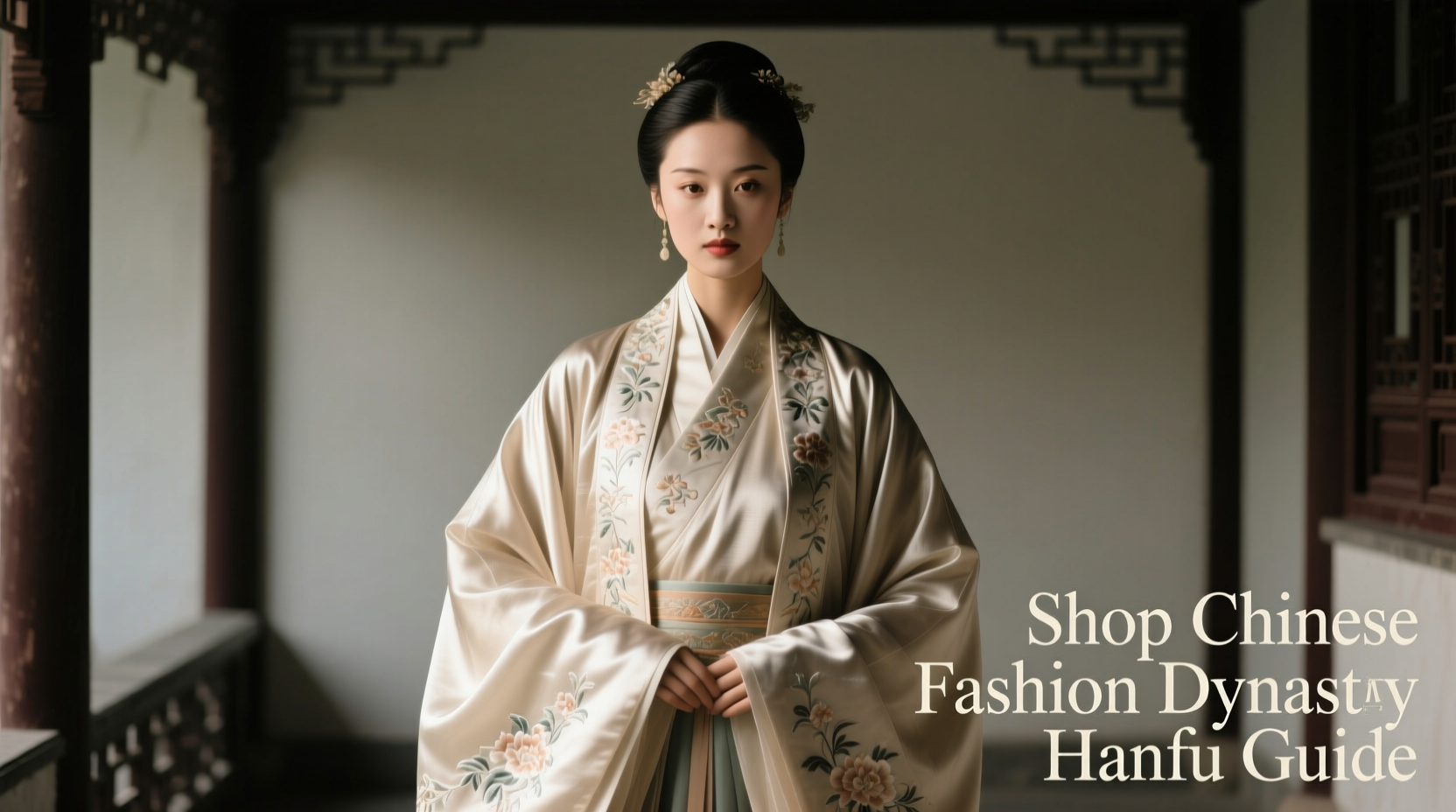
The global appreciation for traditional Chinese clothing has evolved dramatically over the last decade. What began as a niche historical reenactment hobby has blossomed into a sophisticated movement dedicated to preserving material culture. For collectors, cultural enthusiasts, and modern wearers, shopping for Chinese fashion by dynasty requires a nuanced understanding of historical tailoring, regional textile traditions, and the specific protocols of imperial eras. Unlike Western fashion, which relies on draping and darting to contour the body, traditional Chinese garments utilize a flat-pattern cutting method. This technique preserves the integrity of the woven silk and relies on layered silhouettes, precise pleating, and structural collars to create elegant, flowing forms.
According to textile archives documented by The Metropolitan Museum of Art's Heilbrunn Timeline, the evolution of Chinese silk weaving—from basic tabby weaves to complex compound brocades—directly dictated the drape and structure of dynastic garments. When building a historically informed wardrobe, buyers must look beyond modern "costume" adaptations and seek out artisans who prioritize structural accuracy, natural fibers, and period-correct motifs. This 2026 buying guide breaks down the three most sought-after dynastic styles—Tang, Song, and Ming—providing actionable advice on construction details, authentic retailers, and investment pricing.
Tang Dynasty (618–907 AD): Opulence and the Qixiong Ruqun
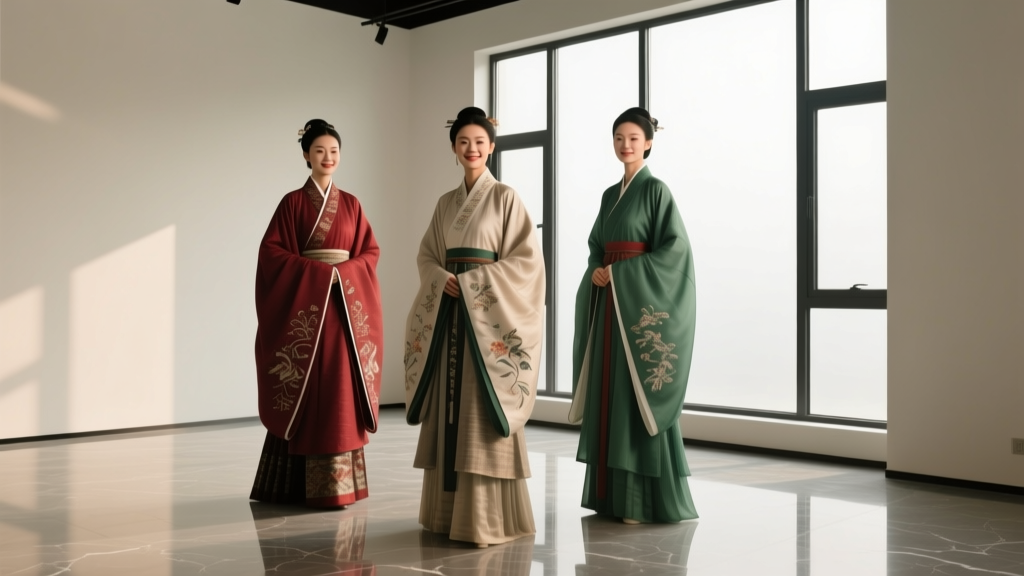
The Tang Dynasty represents a golden age of cosmopolitan exchange along the Silk Road, and its fashion reflects this vibrant, unapologetic opulence. The defining silhouette for women is the qixiong ruqun (chest-high skirt), which sits above the bust and is secured with long, flowing silk ties, often paired with a pibo (a sheer, draped shawl). For men, the yuanlingpao (round-collar robe) with its distinctive side slits and leather boots showcases the era's equestrian and Central Asian influences.
Construction Details and Fabric Guide
Authentic Tang garments rely heavily on the visual weight and transparency of the textiles. When shopping, look for lightweight mulberry silk gauze (luo) and sheer crepes that mimic the fabrics seen in the Mogao Caves murals. The pibo should be cut from a single, continuous length of fabric without seams, allowing it to cascade naturally over the elbows. Modern mass-produced Tang styles often use stiff polyester organza, which ruins the historical drape. Seek out brands that use genuine silk or high-grade cupro-rayon blends for a historically accurate, fluid movement.
Where to Shop: Tang Dynasty Specialists
- Chonghui Hantang (重回汉唐): One of the pioneers of the Hanfu movement, this brand offers historically grounded Tang silhouettes with accurate cross-collar (jiaoling) alignments and natural fabric blends. Expect to pay between $60 and $140 USD for a complete set.
- Shisanyu (十三余): While leaning slightly toward romanticized, fantasy-inspired aesthetics, Shisanyu is excellent for buyers seeking highly decorative, embroidered qixiong ruqun sets for festivals and photography. Prices range from $45 to $120 USD.
Song Dynasty (960–1279 AD): Minimalist Elegance and the Beizi
In stark contrast to Tang exuberance, Song Dynasty fashion is defined by intellectual restraint, slender silhouettes, and subtle sophistication. The quintessential garment is the beizi, an open-front, long-sleeved overcoat with dramatic side slits that reveal the layers beneath. It is typically worn over a narrow-sleeved inner jacket (mo) and a pleated skirt (baizhequn). The Song aesthetic favors monochromatic palettes, subtle woven damasks, and understated embroidery along the collars and cuffs.
The Art of the Baizhequn (Hundred-Pleat Skirt)
The Song baizhequn is a masterclass in textile manipulation. Unlike modern knife-pleated skirts, historical Song pleating often involved complex overlapping heat-set folds that created a shimmering, water-like effect when the wearer moved. When evaluating a Song-style skirt for purchase, check the pleat retention and the weight of the fabric. A proper Song skirt should be made of mid-weight silk crepe or high-quality ramie linen, allowing the pleats to hang straight and narrow, elongating the figure without adding bulk.
Trusted Artisans and Retailers
- Tayunguan (踏云馆): Renowned for their meticulous research into Song Dynasty material culture, Tayunguan produces beizi with period-correct side-slit heights and authentic narrow-sleeve proportions. Their use of subtle, tone-on-tone jacquard weaves is exceptional. Budget: $70 to $160 USD.
- Lanruo (兰若庭): An excellent entry point for buyers seeking authentic Song silhouettes on a budget. While they frequently use synthetic blends to keep costs low, their pattern drafting is highly respected by historical societies. Budget: $25 to $50 USD.
Ming Dynasty (1368–1644 AD): Structure and the Mamianqun
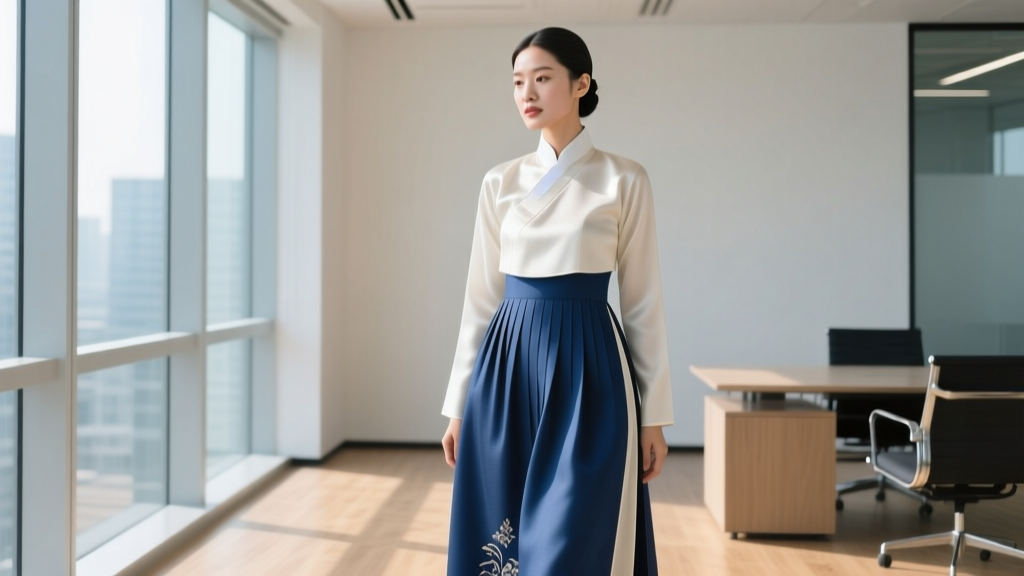
Ming Dynasty fashion is highly structured, imposing, and characterized by the widespread use of standing collars (liling) and metal扣 (kouzi) fasteners. The undisputed icon of Ming fashion is the mamianqun, or "horse-face skirt." Originally designed for ease of movement while riding, the mamianqun has seen a massive resurgence in modern global fashion, frequently integrated into contemporary corporate and streetwear wardrobes.
The Mamianqun Breakdown: What to Look For
A genuine Ming-style mamianqun is constructed from two identical overlapping panels of fabric. The front and back feature flat, unpleated sections (the "horse faces"), while the sides are heavily pleated. According to structural analyses preserved in the Victoria and Albert Museum's Asian Collections, Ming garments heavily utilized zhuanghua (woven gold) and kesi (silk tapestry) techniques to create bold, contrasting borders (lan) on the skirts. When shopping, ensure the skirt features a proper waistband (yaotou) made of white cotton or linen—a historical detail meant to protect the expensive silk from sweat and body oils—and that the overlapping panels are weighted correctly so they do not fly open when walking.
Premium Ming-Style Investment Pieces
- Minghuatang (明华堂): The undisputed gold standard for Ming Dynasty reproduction. Minghuatang operates almost like a haute couture house, utilizing traditional wooden looms to weave museum-grade zhuanghua silks. Their garments are investment pieces, often requiring months of waiting. Prices range from $400 to over $2,000 USD per item.
- Xianhan (衔泥小筑): Offers a brilliant middle ground for Ming enthusiasts. Their mamianqun and standing-collar jackets (liling shan) feature accurate pipa (lute-shaped) sleeves and high-quality synthetic-metallic brocades that mimic historical textiles beautifully. Budget: $100 to $250 USD.
Comparative Buying Chart: Dynasty Silhouettes & Budgets
To help you navigate the vast market of Chinese fashion by dynasty, refer to this quick-reference matrix detailing the core garments, ideal fabrics, and expected price tiers for authentic reproductions.
| Dynasty | Key Garment | Primary Fabric Focus | Silhouette Profile | Price Tier (USD) |
|---|---|---|---|---|
| Tang | Qixiong Ruqun (Chest-high skirt) | Silk Gauze, Sheer Crepe, Brocade | Voluminous, High-waisted, Draped | $45 – $140 |
| Song | Beizi (Open-front coat) | Crepe, Linen, Subtle Damask | Slender, Layered, Vertical lines | $25 – $160 |
| Ming | Mamianqun (Horse-face skirt) | Woven Gold, Heavy Silk, Jacquard | Structured, Trapezoidal, Imposing | $100 – $2,000+ |
Authentication, Sizing, and Shipping from China
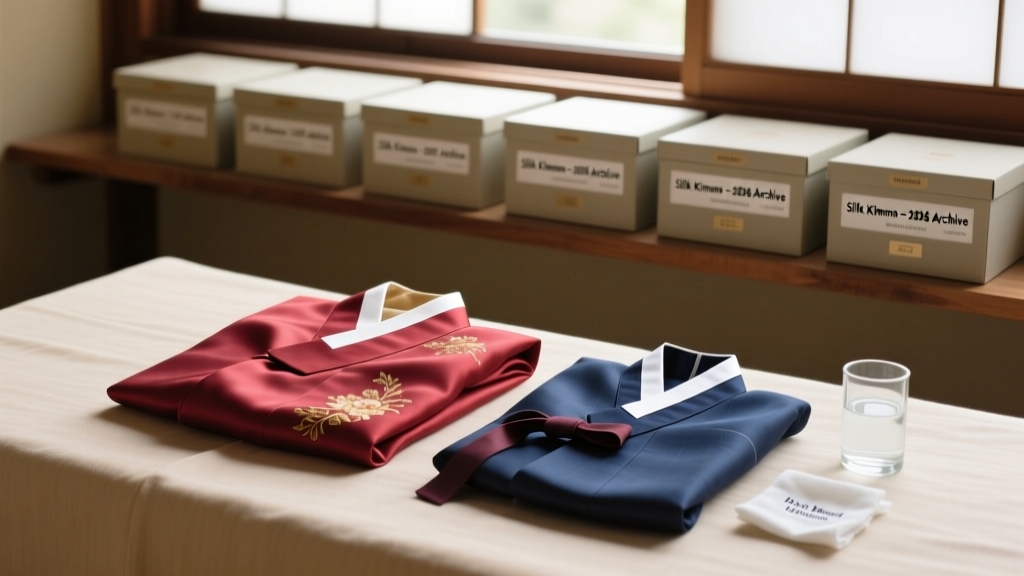
Purchasing authentic Hanfu usually requires navigating Chinese e-commerce platforms like Taobao or Weidian. For international buyers, utilizing a reliable shopping agent (such as Superbuy or CSSBuy) is essential for navigating language barriers and consolidating international shipping. When evaluating a seller's authenticity, look for terms like lai liang ding zhi (custom-tailored to measurements) and detailed flat-lay photos showing the internal seam allowances and fabric weaves.
Sizing in traditional Chinese fashion differs vastly from Western ready-to-wear. Because garments are flat-cut, the critical measurements are not bust or waist circumference, but rather the shoulder span, sleeve length (measured from the center back of the neck to the wrist), and skirt length (measured from the natural waist to the ankle bone). Always consult the seller's specific size chart, as a "Medium" in a Ming-style jacket will fit entirely differently than a "Medium" in a Song-style beizi.
Finally, as institutions like the Smithsonian National Museum of Asian Art continue to highlight the profound technical achievements of historical Chinese weavers, the demand for accurate, respectful reproductions will only grow. By investing in dynasty-specific silhouettes and supporting artisan brands that prioritize historical integrity, buyers do more than acquire beautiful clothing—they actively participate in the preservation and living continuation of a millennia-old textile heritage.