Sexy Cheongsam Dress: Symbolism, Tailoring & Modern Allure

Beyond the Caricature: Reclaiming the Allure of the Qipao
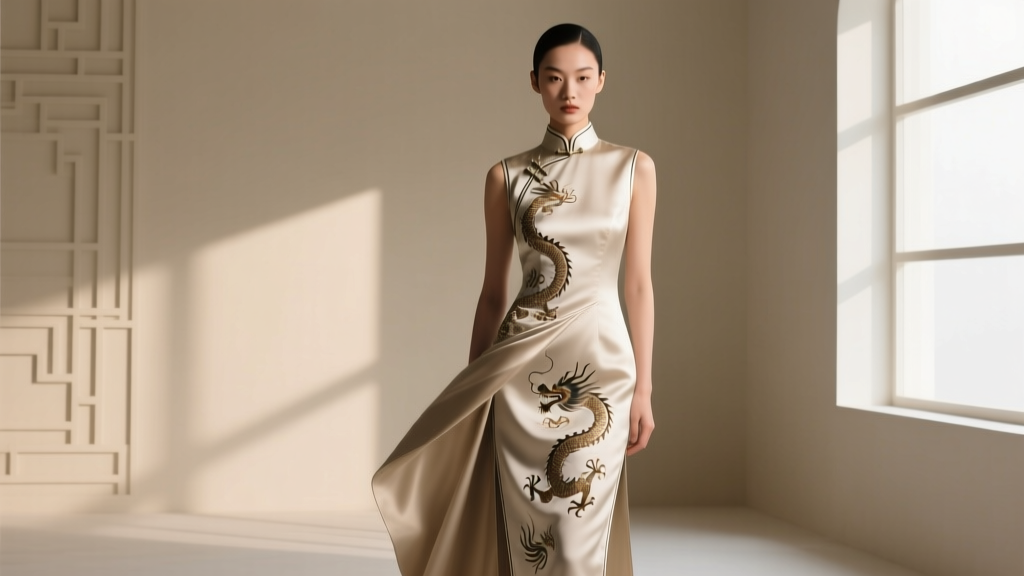
When modern consumers search for a sexy cheongsam dress, they are frequently met with a barrage of mass-produced, polyester costumes that strip the garment of its profound cultural dignity. In Western media, the form-fitting Chinese dress has often been reduced to a fetishized trope. However, as cultural garment historians and artisans know, the true sensuality of the qipao (the Mandarin term for the cheongsam) is not achieved through cheap imitation or excessive exposure. Instead, it is born from masterful tailoring, luxurious natural fibers, and a rich tapestry of historical symbolism.
To understand the authentic allure of the cheongsam, we must look past the Halloween aisle and delve into the sophisticated world of 1930s Shanghai haute couture, traditional Chinese motif symbolism, and the meticulous art of bespoke tailoring. This guide explores how to appreciate, select, and wear a form-fitting qipao that honors its heritage while celebrating the female form with elegance and grace.
The Shanghai Silhouette: How the Cheongsam Became Form-Fitting
The word cheongsam originates from the Cantonese tsèuhngsāam (long shirt), while the Mandarin qipao translates to 'banner gown,' referencing the Manchu clothing of the Qing Dynasty. Originally, these garments were loose, boxy, and designed to conceal the wearer's figure entirely. The transformation into the sensual, body-skimming silhouette we recognize today occurred during the 1920s and 1930s in Shanghai.
Influenced by the May Fourth Movement and women's growing demands for social equality, female students and intellectuals began adopting the male scholar's robe. Tailors in Shanghai—pioneering the Haipai (Shanghai School) style—began integrating Western darting, bias cuts, and set-in sleeves. The result was a revolutionary garment that celebrated the natural curves of the female body. As noted by the Victoria and Albert Museum, the 1930s qipao became a symbol of the modern, emancipated Chinese woman. Its 'sex appeal' was inherently tied to female empowerment and intellectual liberation, a far cry from the submissive caricatures seen in mid-century Western cinema.
Decoding the Canvas: Symbolism in Silk and Brocade
A genuine cheongsam is never merely a piece of fabric; it is a wearable canvas steeped in auspicious symbolism. The motifs embroidered or woven into the silk brocade carry specific meanings, often relating to the wearer's hopes, marital status, or the season. Understanding these symbols elevates the garment from a simple dress to a profound cultural statement.
| Motif | Chinese Name | Symbolic Meaning | Best Occasion |
|---|---|---|---|
| Peony | Mudan (牡丹) | Wealth, honor, and feminine beauty | Weddings, Galas, Banquets |
| Plum Blossom | Meihua (梅花) | Resilience, perseverance, and purity | Winter events, Academic milestones |
| Crane | He (鹤) | Longevity, wisdom, and high status | Anniversaries, Elder's birthdays |
| Butterfly | Hudie (蝴蝶) | Romance, joy, and marital bliss | Engagements, Romantic dinners |
| Lotus | Lianhua (莲花) | Spiritual purity rising from adversity | Summer gatherings, Tea ceremonies |
Color also plays a vital role. While red (hong) is universally recognized for luck and matrimony, a sophisticated, form-fitting qipao in deep jade green, midnight blue, or black with gold kesi (silk tapestry) weaving exudes a powerful, understated sensuality favored by modern fashion connoisseurs.
The Anatomy of Sensuality: Tailoring Details That Matter
What makes an authentic qipao undeniably captivating? The answer lies in the architectural precision of its construction. A master tailor spends dozens of hours ensuring the dress skims the body perfectly, creating a silhouette that is at once restrictive and fluid.
The Kaicha (Side Slits)
The high side slits, or kaicha, are perhaps the most misunderstood element of the cheongsam. Historically, they were introduced to allow freedom of movement and to reveal the trousers worn underneath. In the modern, form-fitting haipai qipao, the slit creates a dynamic interplay of concealment and revelation. A properly tailored slit should sit precisely at the upper thigh, allowing the fabric to drape elegantly when walking without compromising modesty.
Pankou (Frog Knots)
The pankou are the intricate, hand-rolled silk knots that serve as fasteners along the mandarin collar and diagonal chest opening (dajin). Far from being mere buttons, these knots are talismanic. A high-quality bespoke cheongsam will feature tightly rolled, firm silk knots, whereas mass-market versions use hollow, synthetic tubing that quickly loses its shape.
The Mandarin Collar
The stiff, upright collar frames the face and elongates the neck. In authentic tailoring, the collar is reinforced with natural buckram or silk organza, ensuring it stands crisply without choking the wearer. This framing effect draws the eye upward, contributing significantly to the garment's regal and alluring presence.
Authenticity vs. Imitation: A Buyer’s Guide
If you are seeking a high-quality, form-fitting cheongsam that commands respect and exudes genuine allure, you must invest in proper materials and construction. According to textile experts at the China Silk Museum, the fiber content dictates not only the drape of the dress but its breathability and longevity.
- Entry-Level Authentic ($150 - $350): Ready-to-wear garments made from 100% mulberry silk or crepe de chine. Look for brands based in Shanghai or Hangzhou that utilize traditional tailoring darts. Avoid polyester blends, which trap heat and create a cheap, unnatural sheen.
- Mid-Tier Artisan ($400 - $900): Dresses featuring hand-embroidered Suzhou silk threads or woven jacquard brocades. These pieces often include velvet piping and genuine horn or jade toggle buttons.
- Bespoke Heirloom ($1,500+): Custom-tailored qipaos utilizing Xiangyunsha (Gambiered Canton Gauze). This rare, mud-dyed silk from Guangdong province is known as 'soft gold.' It possesses a unique, leathery texture, a subtle, earthy sheen, and a sensual rustling sound when the wearer moves.
When shopping online or in boutiques, scrutinize the pattern matching at the side seams. A master tailor will ensure that a floral or geometric motif flows seamlessly across the kaicha and the diagonal chest flap. Misaligned patterns are the hallmark of fast-fashion manufacturing.
Cultural Etiquette: Wearing the Cheongsam with Grace
The line between appreciating a cultural garment and appropriating it lies in context, respect, and styling. The Metropolitan Museum of Art’s landmark exhibition China: Through the Looking Glass highlighted how the qipao has influenced global haute couture, proving its status as a pillar of world fashion history.
To wear a form-fitting qipao respectfully, avoid pairing it with theatrical, stereotypical accessories like cheap paper umbrellas or exaggerated chopstick hairpins. Instead, treat the cheongsam as you would a high-end European evening gown. Pair it with minimalist gold or jade jewelry, elegant leather clutches, and classic pumps or embroidered silk slippers. Wear your hair in a sophisticated updo or soft waves to complement the structured collar.
Ultimately, the 'sexy' cheongsam dress is not about catering to an exoticized gaze. It is about a woman stepping into a garment that represents a century of feminist evolution, artisanal mastery, and profound poetic symbolism. When worn with knowledge and respect, the qipao remains one of the most breathtakingly alluring garments in the global sartorial canon.