What Is a Qipao Dress? Comparing Regional Styles & Varieties

Defining the Qipao: Beyond the Silhouette
When exploring Asian traditional garments, a common question among enthusiasts and newcomers alike is: what is qipao dress? At its core, the qipao (pronounced chee-pow) is a iconic one-piece Chinese dress characterized by a high mandarin collar, an asymmetrical diagonal front fastening, and strategic side slits. However, reducing the qipao to a single, monolithic silhouette ignores a century of profound sartorial evolution. Originating from the qizhuang (banner robes) worn by Manchu women during the Qing Dynasty (1644–1912), the garment was initially loose, floor-length, and heavily layered. It was not until the 1920s and 1930s in cosmopolitan Shanghai that the qipao was radically modernized, adopting Western tailoring techniques to celebrate the natural contours of the female form.
Today, the qipao is a living tradition. It is worn as high fashion, formal wedding attire, and everyday elegant wear. To truly understand this garment, one must examine its regional varieties, which differ vastly in construction, fabric, and cultural context.
Qipao vs. Cheongsam: Understanding the Terminology
Before comparing regional styles, it is vital to clarify the terminology. 'Qipao' (旗袍) is the Mandarin term, translating literally to 'banner robe.' 'Cheongsam' (長衫) is the Cantonese translation, meaning 'long shirt.' While often used interchangeably in Western fashion media, regional nuances exist. In mainland China, the garment is almost exclusively referred to as a qipao. In Hong Kong, Macau, and many overseas Cantonese diasporas, cheongsam is the preferred term. In Shanghai, the local Shanghainese dialect pronounces it as zansae. Understanding these linguistic roots is the first step in appreciating the garment's diverse cultural footprint.
Regional Varieties: A Comparative Analysis
The modern qipao is not a single standardized dress; it is highly regionalized. The three dominant historical styles—Shanghainese, Beijing, and Hong Kong—each reflect the unique climate, culture, and tailoring philosophies of their respective cities.
The Shanghainese (Haipai) Qipao
The Haipai (Shanghai style) qipao is the globally recognized, form-fitting silhouette born in the 1930s. Shanghai tailors integrated Western draping techniques, introducing bust darts, waist darts, and set-in sleeves. This style features high, dramatic side slits that often reach the mid-thigh, allowing for ease of movement while showcasing a sleek, hourglass profile. Fabrics lean toward luxurious silks, velvets, and intricate Art Deco-inspired geometric prints, reflecting Shanghai's history as the 'Paris of the East.'
The Beijing (Jingpai) Qipao
The Jingpai (Beijing style) retains stronger ties to its Manchu origins. Unlike the darted Shanghai style, the Beijing qipao often utilizes traditional Chinese flat-pattern cutting (cross-shaped cutting), which avoids darts and relies on the natural drape of the fabric. The silhouette is straighter, more modest, and less restrictive. Slits are typically lower, and the garments feature heavier, more elaborate Jingxiu (Beijing embroidery), often incorporating auspicious motifs like peonies, phoenixes, and dragons. It is heavily favored for formal state functions and traditional ceremonies.
The Cantonese and Hong Kong Cheongsam
Adapted for the humid, subtropical climate of Southern China, the Hong Kong cheongsam of the 1950s and 60s prioritized practicality. These garments often featured shorter sleeves (or cap sleeves), lighter unlined cottons and linens, and calf-length hems with moderate slits. The collar styles also varied; while the Shanghai collar stands rigidly against the neck, Cantonese variations sometimes featured softer, lower collars or distinct piping techniques. This style became the uniform of the mid-century Hong Kong working woman, symbolizing both modernity and cultural pride.
Comparative Chart: Regional Qipao Characteristics
| Feature | Shanghainese (Haipai) | Beijing (Jingpai) | Hong Kong / Cantonese |
|---|---|---|---|
| Tailoring | Western darts, set-in sleeves, form-fitting | Flat-pattern cutting, straight drape, modest | Lightweight, practical, relaxed fit |
| Slit Height | High (mid-thigh to hip) | Low (below the knee) | Moderate (calf to knee) |
| Embellishment | Art Deco prints, lace trim, subtle embroidery | Heavy Jingxiu embroidery, brocade | Minimalist, focus on textile pattern |
| Primary Use | Evening wear, high fashion, weddings | State functions, traditional ceremonies | Daily wear, office attire, summer events |
Anatomy of Construction: Fabrics and Pankou Fastenings
To answer 'what is qipao dress' from an artisan's perspective requires examining its materials and hardware. The soul of a high-end qipao lies in its textile. While mass-market versions use polyester blends, authentic garments utilize heritage fabrics. A highly prized material is Xiangyunsha (mud silk) from Guangdong province. Recognized as an Intangible Cultural Heritage, this silk is dyed using the juice of the Dioscorea cirrhosa plant and coated in iron-rich river mud. The result is a dark, crackling, water-resistant fabric that can cost upwards of $150 USD per meter. Other premium choices include Songjin brocade from Suzhou and heavy mulberry silks.
The fastenings, known as Pankou (frog buttons), are equally critical. These are not merely functional; they are hand-knotted silk artworks. A master artisan can tie over 200 distinct motifs. The yiziqou (straight knot) is used for everyday elegance, while complex floral and geometric knots, such as the hudiekou (butterfly knot) or meihuakou (plum blossom knot), are reserved for the collar and chest of wedding and formal qipaos. According to the China National Silk Museum, the preservation of these traditional sericulture and knotting techniques is vital to maintaining the structural integrity of historical garment replicas.
Bespoke vs. Ready-to-Wear: Pricing and Procurement
Procuring a qipao involves navigating a wide spectrum of quality and price points. Understanding these tiers is essential for buyers seeking authenticity.
- Mass Market / Ready-to-Wear ($30 – $150 USD): Available via global e-commerce platforms. These are typically made from synthetic blends, feature glued rather than hand-stitched hems, and utilize machine-made elastic pankou. They are suitable for costume parties but lack cultural and sartorial depth.
- Mid-Tier Boutique ($200 – $800 USD): Found in specialized boutiques in cities like Shanghai, Singapore, and London. These offer genuine silk, better sizing options, and hand-finished details. Brands in this tier often blend traditional cuts with modern, washable fabrics for daily wear.
- Master Bespoke ($1,500 – $5,000+ USD): The pinnacle of the craft. In Hong Kong, legendary tailors in the Central district (such as Linva or Betty's) and in Shanghai along Changle Road offer fully bespoke services. This involves multiple fittings, flat-pattern drafting tailored to the client's exact posture, and hand-rolled hems. A bespoke Xiangyunsha qipao with hand-knotted pankou from a master tailor is an investment piece and a wearable heirloom.
Cultural Protocols and Modern Styling
Wearing a qipao requires an understanding of cultural etiquette. As noted by the Victoria and Albert Museum in their extensive Asian textile archives, the qipao is a symbol of Chinese femininity, resilience, and modernization. When wearing a qipao outside of its native cultural context, it is crucial to approach it with respect rather than as a caricature. Avoid pairing it with fetishized accessories or altering the hemline to inappropriate lengths for formal settings.
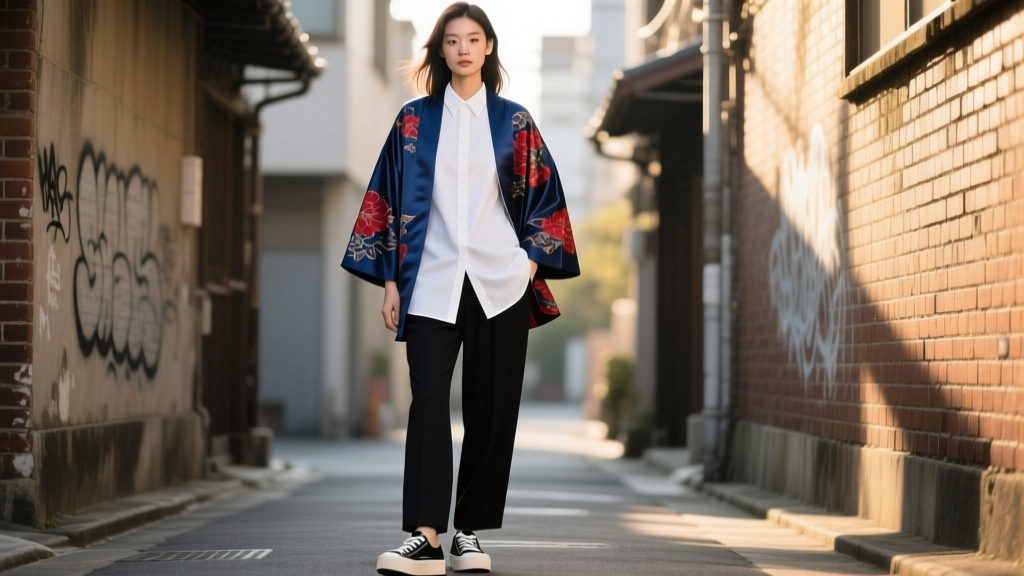
For modern styling, the contemporary qipao is incredibly versatile. A sleeveless, cotton-blend A-line qipao can be paired with a denim jacket and sneakers for a chic, everyday streetwear look. For formal events, a floor-length Shanghainese silk qipao should be styled with minimalist jade or pearl jewelry, allowing the garment's intricate piping and pankou to remain the focal point. According to Encyclopædia Britannica, the cheongsam's enduring legacy lies in its unique ability to bridge the gap between ancient Chinese heritage and global contemporary fashion.
Ultimately, the qipao is far more than a simple dress; it is a complex architectural garment that maps the social, political, and artistic history of modern China. Whether you are investing in a bespoke Jingpai piece for a wedding or selecting a lightweight Haipai dress for a summer gala, understanding these regional varieties ensures you honor the profound craftsmanship woven into every seam.