Qipao Crop Top Guide 2026: Styling Neo-Chinese Fashion

The Neo-Chinese Renaissance: Understanding the Qipao Crop Top
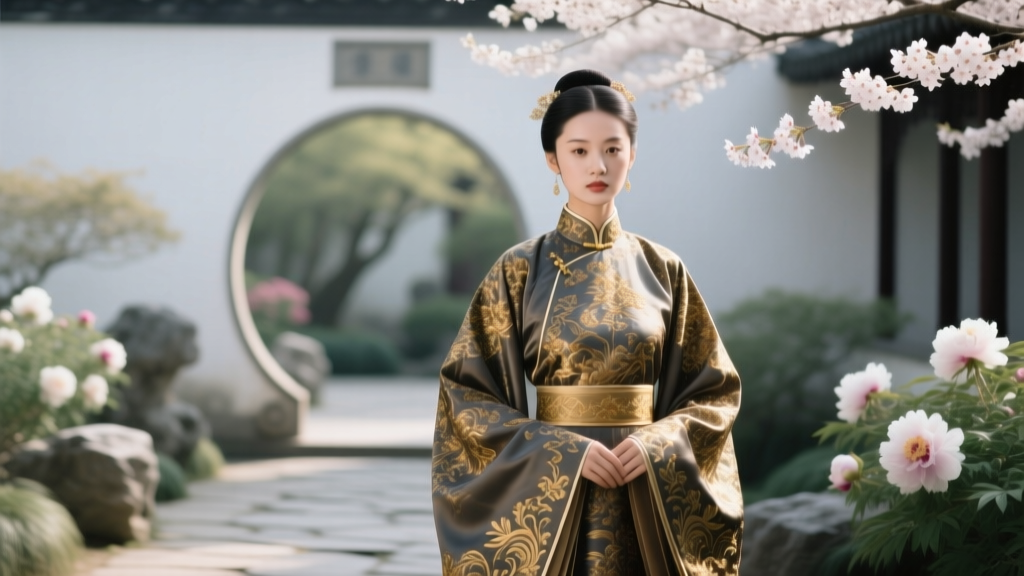
The qipao (旗袍), widely known in the West as the cheongsam, has long stood as a global symbol of Chinese elegance and sartorial sophistication. However, as we navigate the fashion landscape of 2026, the traditional floor-length silhouette is no longer the only way to engage with this rich heritage. Enter the qipao crop top—a contemporary adaptation that bridges the gap between historical Chinese dress and modern streetwear. Driven by the Xin Zhongshi (New Chinese Style) movement, this garment distills the most iconic elements of the qipao into a versatile, everyday blouse that appeals to a new generation of global fashion enthusiasts.
For beginners, the qipao crop top offers an accessible entry point into Asian traditional garments without the formal constraints or bespoke fitting requirements of a full-length ceremonial dress. Yet, to wear it well, one must understand the architectural details that separate a respectful neo-Chinese design from a mass-produced costume. This guide will walk you through the anatomy, history, and styling frameworks necessary to embrace this trend with cultural fluency and sartorial confidence.
Anatomical Breakdown: Traditional Roots in a Modern Silhouette
What exactly makes a crop top a 'qipao' rather than just a standard cropped blouse? The answer lies in three non-negotiable structural elements borrowed directly from traditional Chinese tailoring. When evaluating a qipao crop top, look for these specific construction details:
- Liling (立领) - The Standing Collar: Unlike Western shirt collars that fold down, the liling stands upright, framing the jawline and elongating the neck. In traditional tailoring, this requires a stiffened, multi-layered interfacing. In modern crop tops, the collar is often slightly lowered or softened with cotton-linen blends to ensure all-day comfort while maintaining the regal posture associated with the garment.
- Dajin (大襟) - The Asymmetrical Flap: The hallmark of the qipao is its asymmetrical front closure. The dajin sweeps from the center of the collar diagonally across the chest, curving down toward the side seam. This design originates from the practical needs of Manchu horseback riders but evolved into a canvas for intricate embroidery and piping (xiangbian).
- Pankou (盘扣) - The Knotted Frog Buttons: These are not merely fasteners; they are textile jewelry. Authentic pankou are hand-rolled from bias-cut silk strips, sometimes filled with cotton yarn to create a three-dimensional, sculptural effect. High-quality qipao crop tops will feature functional, handcrafted pankou at the collar and shoulder, while cheaper iterations rely on flat, machine-stamped synthetic imitations that lack structural integrity.
While the traditional qipao features kaicha (side slits) extending up the thigh to allow for movement, the qipao crop top reinterprets these slits as subtle side vents at the hemline, providing a relaxed fit that flares slightly over high-waisted bottoms.
From Shanghai to Streetwear: A Brief Historical Context
To appreciate the modern qipao crop top, we must look back to 1920s Shanghai. According to archival research highlighted in the Metropolitan Museum of Art's seminal exhibition on Chinese fashion, the qipao was born from a desire for modernization and gender equality. Female students and intellectuals began adopting the long, loose robes of Manchu men (changpao) as a feminist statement, rejecting the restrictive, two-piece Han Chinese clothing of the Qing Dynasty.
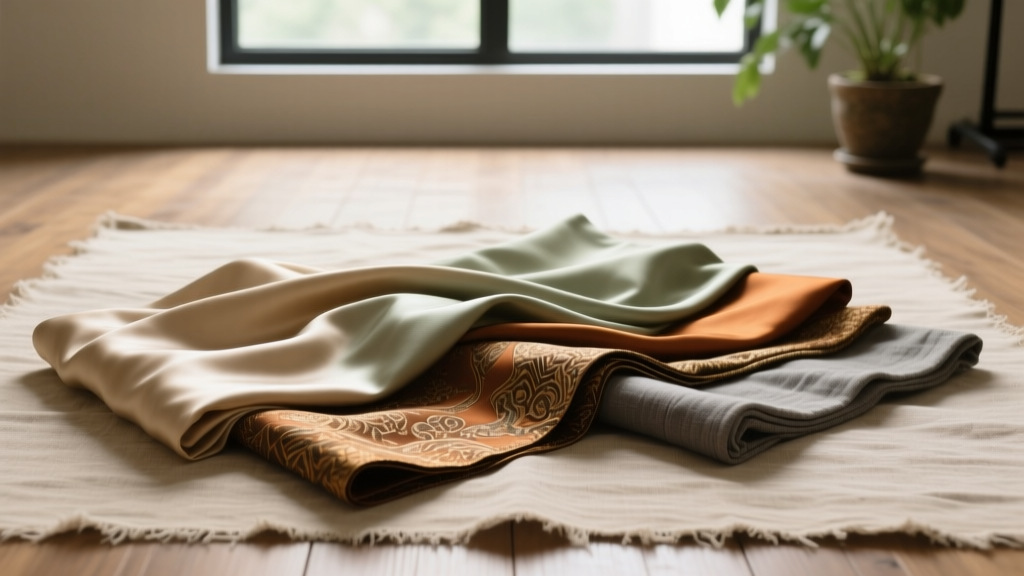
By the 1930s, Western tailoring techniques—such as bust darts, set-in sleeves, and waist suppression—were integrated into the flat-cutting methods of Chinese dress, creating the form-fitting silhouette recognized today. The contemporary Xin Zhongshi movement, heavily researched and promoted by institutions like the Tsinghua University Art Museum, seeks to reclaim the qipao from mid-century Hollywood fetishization. By cropping the hem and utilizing breathable, everyday fabrics like raw silk, hemp, and organic cotton, modern designers are returning the garment to its roots: clothing for the active, liberated, and modern woman.
The 2026 Styling Framework: How to Wear It Today
Styling a qipao crop top requires an understanding of proportion and cultural context. The goal is to achieve a sophisticated, contemporary look that honors the garment's heritage.
1. The Proportional Balance Method
Because the crop top cuts the body at the ribcage or natural waist, it is crucial to anchor the look with high-waisted, voluminous bottoms. Pair a silk-brocade qipao crop top with high-waisted, wide-leg tailored trousers or a flowing, pleated midi skirt. This maintains the verticality and modesty of the original 1930s silhouette, ensuring the midriff is only subtly hinted at during movement rather than fully exposed.
2. Seasonal Layering Techniques
The structured collar of the qipao crop top makes it an exceptional layering piece. In autumn and winter, wear a fine-gauge merino wool turtleneck underneath the crop top. The contrast between the minimalist Western knitwear and the ornate pankou and dajin of the qipao creates a striking, intellectual aesthetic popular in East Asian urban centers like Seoul, Tokyo, and Shanghai.
3. Accessorizing with Intent
Avoid pairing the top with overly theatrical accessories like hair sticks or heavy jade pendants, which can inadvertently turn a chic outfit into a costume. Instead, opt for minimalist gold or silver jewelry, structured leather handbags, and modern footwear like loafers or sleek ankle boots. Let the architectural details of the garment speak for themselves.
Market Analysis: Price Tiers and Fabric Composition
The market for neo-Chinese fashion has expanded dramatically. When shopping for a qipao crop top, understanding the correlation between price, fabric, and construction will help you make an informed, ethical purchase. Below is a breakdown of the current market landscape.
| Market Tier | Price Range (USD) | Typical Fabrics | Construction & Details | Best For |
|---|---|---|---|---|
| Fast Fashion / E-Commerce | $25 - $65 | Polyester blends, faux silk, synthetic lace | Machine-stamped faux pankou, glued interfacing, basic darts | Occasional wear, festival fashion, trend-testing |
| Independent Neo-Chinese Labels | $120 - $280 | Mulberry silk, linen-cotton blends, woven jacquard | Hand-rolled functional pankou, proper bias-cut piping, ethical manufacturing | Everyday office wear, sophisticated dinners, long-term wardrobe staples |
| Bespoke / Artisan Heritage | $450 - $900+ | Xiangyunsha (mud-silk), Songjin (Song brocade), raw hemp | Master-tailored liling, hand-embroidered motifs, custom fit, heritage dyeing | Heirloom collecting, cultural events, high-end fashion connoisseurs |
For beginners, the independent label tier offers the best intersection of cultural respect, quality construction, and modern wearability. Seek out brands that transparently discuss their sourcing of traditional textiles and their collaboration with local artisans.
Cultural Etiquette: Navigating Appreciation vs. Appropriation
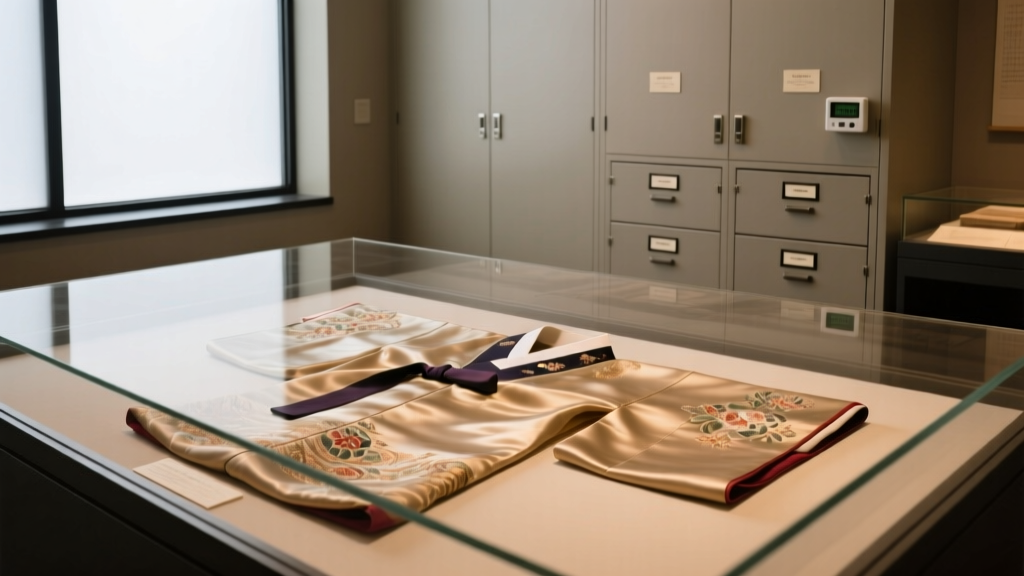
As the qipao crop top gains global traction, it is vital to address the cultural protocols surrounding its wear. The Victoria and Albert Museum's extensive archives on Asian dress remind us that garments are living artifacts of social history. The qipao was historically a symbol of female emancipation and intellectualism in China.
Therefore, the most critical rule of wearing a qipao crop top is to actively avoid the hyper-sexualized 'Dragon Lady' or 'China Doll' tropes perpetuated by mid-century Western cinema. Avoid pairing the top with ultra-mini skirts, fishnets, or styling it in a way that reduces a profound cultural artifact to a mere exotic costume. Treat the qipao crop top with the same sartorial respect you would afford a well-tailored Western blazer or a classic French Breton shirt. By focusing on elegant proportions, high-quality textiles, and an understanding of its feminist origins, you participate in the Xin Zhongshi movement as an informed advocate of global fashion heritage, celebrating the enduring legacy of Asian traditional garments in the modern world.