Qipao Antiguo: Guide to Vintage Chinese Dresses

The Allure of the Qipao Antiguo in Global Vintage Markets

For textile enthusiasts and fashion historians, few garments capture the dynamic cultural shifts of the 20th century quite like the vintage Chinese qipao. In the global antique textile market, the term qipao antiguo has emerged as a recognized phrase among international, European, and Latin American collectors seeking authentic, pre-1950s Republican-era (Minguo) garments. Unlike the mass-produced, heavily stylized 'cheongsams' of the late 20th century, a true qipao antiguo represents a masterclass in traditional flat-cutting, bespoke tailoring, and intricate textile arts.
For beginners stepping into the world of Asian traditional garment collecting, understanding the nuances of the antique qipao requires looking beyond the silhouette. It demands an appreciation of the garment's architectural construction, its regional fabric origins, and the socio-political climate of 1920s to 1940s Shanghai that birthed it. This guide will equip you with the foundational knowledge needed to identify, source, and preserve these wearable artifacts.
Decoding the Golden Era: 1920s to 1940s Shanghai
To authenticate a qipao antiguo, one must first understand its timeline. The modern qipao evolved from the loose, floor-length changpao (long gown) worn by Manchu women during the Qing Dynasty. Following the 1911 Xinhai Revolution, Han Chinese women began adopting and adapting the garment as a symbol of gender equality and modernity.
The 1920s marked the garment's initial popularization, characterized by a loose, tubular silhouette, wide sleeves, and a high, stiff collar. By the 1930s—the undisputed 'Golden Era' of Shanghai fashion—the silhouette became decidedly more form-fitting. Influenced by Western flapper fashion and Art Deco aesthetics, tailors introduced side slits for mobility, set-in sleeves, and subtle bust darts. The 1940s, impacted by wartime fabric rationing, saw hemlines drop to the calf, sleeves shorten to the cap or sleeveless, and a general simplification of ornate embellishments.
Flat-Cutting vs. Western Tailoring
A critical marker of an authentic 1920s qipao antiguo is the use of traditional Chinese flat-cutting, known as shizi caijian (cross-shaped cutting). Unlike Western garments that are cut into multiple curved panels to follow the body's contours, traditional qipaos were cut from a single, continuous piece of fabric folded at the shoulder. This resulted in a T-shaped garment that draped over the body rather than clinging to it. As the 1930s progressed, hybrid tailoring emerged, blending flat-cutting with Western darts. Collectors highly prize the pure, unadulterated flat-cut examples of the 1920s for their historical purity and the immense skill required to pattern-match the fabric across the seamless shoulder line.
The Anatomy of Authenticity: Bindings and Knots

When examining a potential acquisition, the hardware and trim will tell you more about the garment's provenance than the main textile. The Victoria and Albert Museum notes that the finishing techniques of the Minguo era were incredibly labor-intensive and serve as primary authentication markers.
Gǔnbiān (Bias Binding)
The edges of a vintage qipao are finished with gǔnbiān, a meticulous silk bias binding. In high-end antique pieces, you will find 'double binding' (two contrasting colors of silk piped together) or even 'triple binding.' The binding must be perfectly even, usually measuring between 0.5cm and 1cm in width. Machine-stitched bindings or thick, clumsy piping are immediate red flags indicating a mid-to-late 20th-century reproduction.
Pánkòu (Frog Buttons)
The pánkòu are the hand-knotted fabric buttons that secure the collar and diagonal lapel (the dajin). In a genuine qipao antiguo, these are never merely functional; they are symbolic. Artisans knotted these buttons into intricate motifs such as plum blossoms (representing resilience), butterflies (symbolizing joy and longevity), or the swastika (a traditional Buddhist symbol of auspiciousness, predating its Western appropriation). The knots should be tightly wound, firm to the touch, and made from the same silk as the binding. If the buttons feel spongy or contain a hidden plastic core, the garment is a modern replica.
Textile Identification: Beyond Basic Silk

The Peabody Essex Museum, renowned for its extensive Chinese textile archives, highlights the regional diversity of fabrics used in Republican-era dress. A beginner must learn to identify these specific weaves and dyeing techniques:
- Xiangyunsha (Gambiered Canton Gauze): Originating from Guangdong, this is one of the most prized and expensive silks in the world. It is dyed using the juice of the Dioscorea cirrhosa tuber and coated with iron-rich river mud, resulting in a dark, coppery-brown fabric with a distinctive crackled glaze and a soft, rustling sound when worn. Authentic vintage Xiangyunsha qipaos are exceptionally rare and highly sought after by serious collectors.
- Zhuanghua (Silk Brocade): Heavy, ornate brocades featuring woven metallic threads (often real gold or silver leaf wrapped around silk cores). These were typically reserved for winter wear or formal evening events in the 1930s.
- Jinrong (Burn-out Velvet): A popular choice for autumn and winter in Shanghai. Artisans used chemical resist-dyeing to burn away the velvet pile, creating sheer, intricate floral patterns against a solid velvet background.
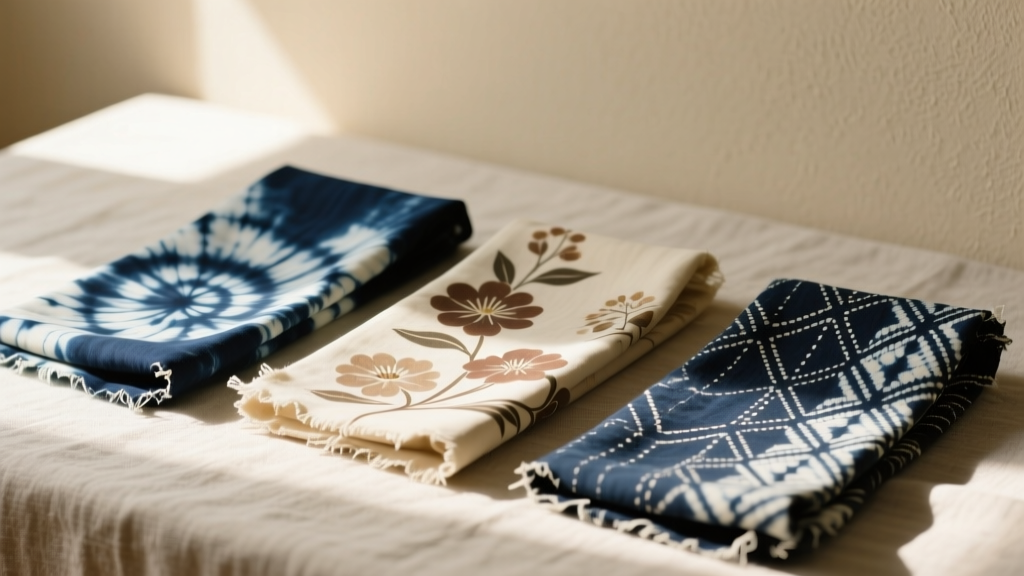
- Yin Dan (Indigo Resist-Dyed Cotton): While silk was the standard for the urban elite, middle-class women and students often wore qipaos made from blue-and-white indigo cotton, reflecting a more modest, intellectual aesthetic.
Collector’s Matrix: Pricing and Provenance
Valuing a qipao antiguo depends heavily on its era, condition, textile rarity, and the complexity of its embellishments. Below is a generalized pricing matrix for the current collector's market (values in USD).
| Era | Silhouette & Features | Condition | Estimated Market Value |
|---|---|---|---|
| 1920s | Loose, flat-cut, wide sleeves, high collar, intricate embroidery | Museum Quality (No shattering) | $1,500 - $4,000+ |
| 1930s | Form-fitting, high slits, Art Deco geometric prints, set-in sleeves | Excellent (Minor wear to hem) | $600 - $1,800 |
| 1940s | Calf-length, cap sleeves, simplified frogs, utilitarian fabrics | Good (Wearable, minor stains) | $250 - $700 |
| 1950s-60s | Shorter, zippered closures, machine-made lace, stiffer brocades | Fair | $80 - $200 |
Note: Garments with verified provenance—such as those belonging to notable Shanghai socialites or film stars of the era—can command prices well above $10,000 at international auction houses.
Sourcing Your First Qipao Antiguo
Finding an authentic piece requires patience and a discerning eye. While the bustling alleys of Shanghai's Dongtai Road Antique Market were once the premier hunting ground for vintage textiles, urban redevelopment has scattered these vendors. Today, serious collectors turn to specialized textile fairs, estate auctions, and reputable online archives.
When browsing online marketplaces like Etsy or specialized vintage dealers, always request high-resolution macro photographs of the pánkòu (knots), the inner seam allowances, and the fabric's reverse side. Hand-stitched seams will show slight irregularities and the use of silk thread, whereas machine stitching from the mid-century onward will use uniform cotton or polyester thread. The China National Silk Museum in Hangzhou offers extensive resources and exhibitions that can help train your eye to recognize period-accurate weaving techniques before you make a purchase.
Archival Preservation and Care Protocols
Antique silk is a protein fiber that is highly susceptible to light damage, moisture, and acidic environments. Once you acquire a qipao antiguo, proper stewardship is essential to prevent 'silk shattering'—a phenomenon where the fibers become brittle and disintegrate along fold lines.
- Never Use Wire Hangers: The weight of a heavy brocade qipao will distort the shoulder seams if hung. Store the garment flat.
- Acid-Free Tissue: Stuff the sleeves and bodice with unbuffered, acid-free archival tissue paper to maintain the garment's shape and prevent hard creases.
- Climate Control: Store in a cool, dark environment with a relative humidity of around 45-55%. Avoid plastic garment bags, which trap moisture and off-gas chemicals that degrade silk; instead, use a breathable, unbleached cotton muslin cover.
- Cleaning: Never attempt to wash or dry-clean an antique qipao yourself. The water-soluble dyes used in the 1920s will bleed instantly. Consult a certified textile conservator for any necessary stabilization or cleaning.
Conclusion: Wearing History with Respect
Collecting and wearing a qipao antiguo is an act of cultural preservation. These garments are not merely vintage fashion; they are tangible records of China's rapid modernization, the emancipation of women, and the pinnacle of traditional artisan craftsmanship. By learning to read the stitches, understand the textiles, and respect the history woven into every panel, beginners can transition from casual shoppers to informed custodians of Asian sartorial heritage.