Chinese Dress Trends 2026: Xin Zhongzhuang vs Hanfu
The Cultural Engine: Guochao and the New Chinese Dress
The global fashion landscape has witnessed a seismic shift in how traditional garments are integrated into daily life. When modern consumers search for a new Chinese dress, they are no longer looking for stage costumes or restrictive formalwear. Instead, they are participating in Guochao (国潮), or 'National Trend'—a cultural renaissance driven by Chinese youth and global diaspora that reinterprets historical silhouettes for the 21st century. According to research from the Beijing Institute of Fashion Technology, this movement is defined by a demand for structural comfort, modern textile technology, and deep historical accuracy, moving away from the Orientalist tropes of the past.
However, the term 'new Chinese dress' is not a monolith. It encompasses three distinct categories: Xin Zhongzhuang (New Chinese Style), Daily Modern Hanfu, and the Neo-Qipao. Understanding the construction, cultural protocols, and price points of each variety is essential for building an authentic, respectful, and highly wearable wardrobe.
Deconstructing the Three Pillars of Modern Chinese Dress
1. Xin Zhongzhuang (New Chinese Style / 新中式)
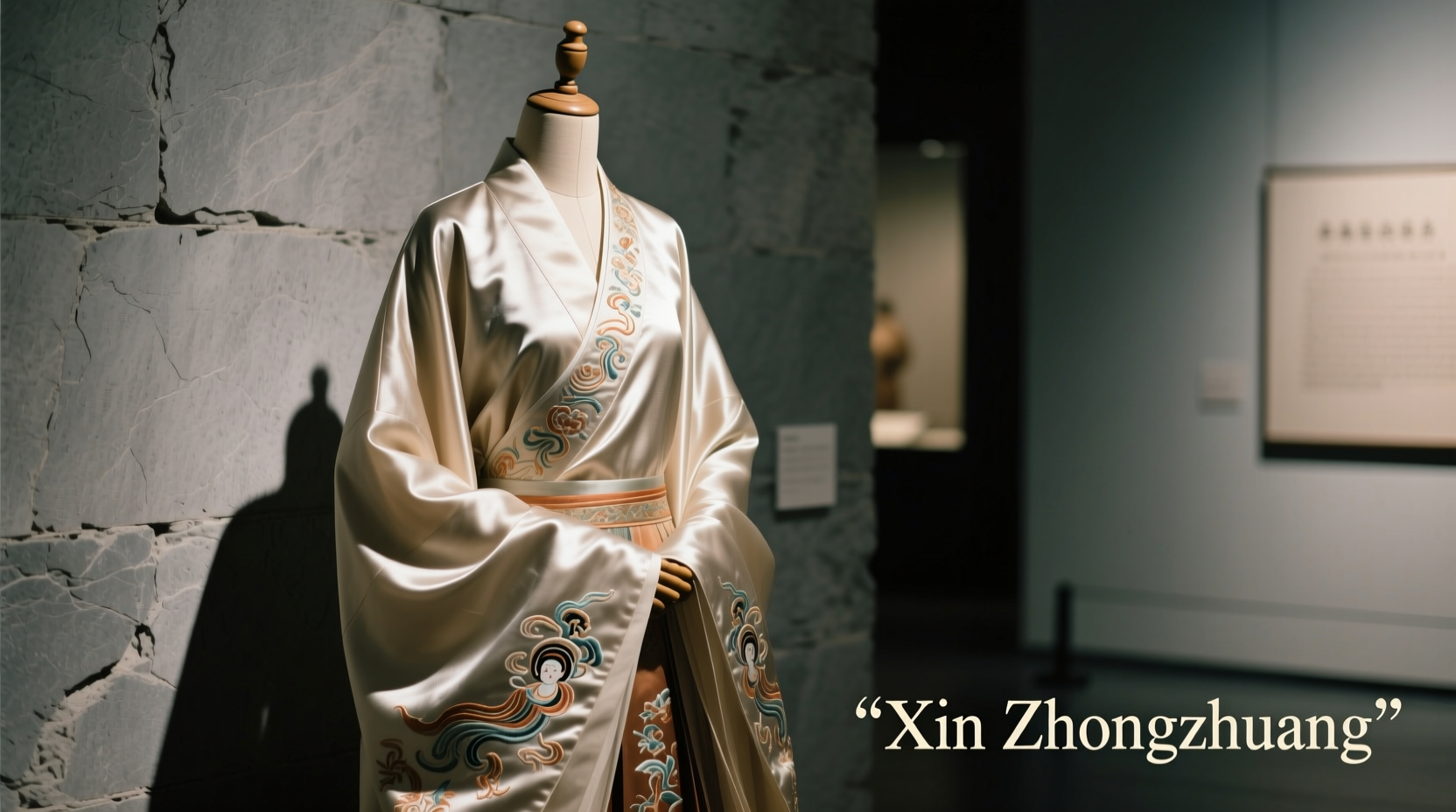
Xin Zhongzhuang is the most hybridized of the three categories. It merges Western structural tailoring with traditional Chinese sartorial codes. A classic example is the modern Mao-collar blazer or the deconstructed Tang jacket. The defining feature of authentic Xin Zhongzhuang is the use of Pankou (盘扣), or frog fasteners. In high-end contemporary pieces, these are hand-knotted from silk or linen, serving as functional closures or purely decorative motifs along asymmetrical plackets.
Fabric choice in Xin Zhongzhuang often leans toward Xiangyunsha (香云纱), also known as gambiered Canton gauze. As documented by the China National Silk Museum, this intangible cultural heritage fabric is dyed with yam juice and coated in river mud, resulting in a rich, crackled patina that is naturally water-resistant and cooling. A modern Xin Zhongzhuang blouse crafted from Xiangyunsha bridges the gap between Ming Dynasty aesthetics and contemporary minimalist office wear.
2. Daily Modern Hanfu (The Mamianqun Renaissance)
While traditional Hanfu encompasses thousands of years of history, the 'new Chinese dress' movement has heavily favored the Mamianqun (马面裙), or horse-face skirt, originating from the Ming Dynasty. The Mamianqun is constructed using two overlapping panels of fabric featuring flat, unpleated sections (the 'horse faces') at the front and back, with intricate knife pleats on the sides.
Modern adaptations focus on the Yaotou (waistband). Historically made of white cotton or linen to reduce bulk and prevent the heavy silk skirt from slipping, modern daily-wear Mamianqun often feature reinforced, structured waistbands with hidden hooks or side zippers for ease of wear. Pairing a pleated Mamianqun with a modern cashmere turtleneck or a crisp poplin shirt is currently the dominant silhouette in urban centers like Shanghai and Chengdu.
3. Neo-Qipao (The Contemporary Cheongsam)
The The Metropolitan Museum of Art has extensively documented the evolution of the qipao from its loose, A-line origins in the 1920s to the highly restrictive, darted silhouettes of 1930s Shanghai. The Neo-Qipao rejects the 1930s tightness, returning to the 'flapper-esque' drop-waist and A-line cuts of the 1920s, or adopting a completely modern, boxy shift-dress silhouette.
Construction-wise, the Neo-Qipao prioritizes mobility. Designers are replacing the traditional full-length side slits with modest, knee-high vents, and swapping delicate silk brocades for breathable linen-cotton blends, heavy crepe, and even washed denim. The Mandarin collar (Yuanling) is often lowered by a few centimeters to prevent chafing during all-day wear.
Fabric, Construction, and Price Comparison Matrix
To navigate the market effectively, buyers must understand the correlation between construction techniques, textile origins, and pricing. Below is a comparative framework for sourcing a new Chinese dress in 2026.
| Style Category | Key Garments | Construction & Fabric Focus | Entry-Level Price (USD) | Artisan/Bespoke Price (USD) |
|---|---|---|---|---|
| Xin Zhongzhuang | Tailored jackets, modified Ao tops | Hand-knotted Pankou, Xiangyunsha silk, jacquard blends | $60 - $120 | $350 - $800+ |
| Modern Hanfu | Mamianqun (Horse-face skirt), Songku (trousers) | Heat-set knife pleats (12-16 per side), woven brocade, structured Yaotou | $45 - $90 | $150 - $400 |
| Neo-Qipao | A-line shift dresses, linen cheongsam | Bias-cut linings, hidden back zips, lowered Yuanling collars, linen-cotton | $50 - $110 | $200 - $600 |
Sourcing Authentic Garments: Artisans vs. Fast Fashion
The explosion of the new Chinese dress trend has led to a bifurcated market. Fast-fashion retailers frequently produce 'Hanfu-inspired' garments using cheap polyester that fails to hold pleats and utilizes glued-on, plastic Pankou knots that lack cultural integrity.
For authentic pieces, buyers should look toward specialized independent studios (often referred to as Hanfu Shangjia). Reputable makers like Minghuatang or Zhuchuyu are renowned for their historical accuracy in weaving patterns and pleat retention. When purchasing a Mamianqun, always verify the pleat count and ask if the pleats are heat-set with high-temperature steam, a crucial step for ensuring the skirt maintains its architectural shape after washing. For Xin Zhongzhuang, seek out ateliers that specialize in Xiangyunsha, ensuring the fabric comes with a certificate of authenticity from the Guangdong textile cooperatives.
Styling Frameworks for the Modern Wardrobe
Integrating these garments into a non-traditional wardrobe requires an understanding of proportion and texture contrast.
- The Office Framework: Pair a solid-colored, linen Neo-Qipao (knee-length, A-line) with a structured Western blazer and leather loafers. The lowered collar of the Neo-Qipao allows it to sit neatly beneath a blazer lapel without creating bulk at the neck.
- The Streetwear Contrast: Style a heavily patterned, woven brocade Mamianqun with a simple, oversized white cotton t-shirt or a chunky knit sweater. Tucking in the top highlights the intricate waistband and allows the side pleats to flare dynamically during movement.
- The Evening Minimalist: Opt for a dark, muted Xiangyunsha Xin Zhongzhuang jacket worn open over a silk slip dress. The crackled, organic texture of the gambiered silk provides a sophisticated, understated elegance that avoids the 'costume' effect of shiny, mass-market satins.
Cultural Etiquette and Respectful Wear
As the new Chinese dress crosses borders, cultural respect remains paramount. It is vital to recognize that these are living traditions, not relics. Avoid mixing garments from conflicting historical dynasties in a single 'traditional' outfit if aiming for historical accuracy (e.g., do not pair a Tang dynasty half-arm top with a Ming dynasty Mamianqun). However, the essence of Xin Zhongzhuang is deliberate, modern hybridization. By investing in high-quality construction, supporting artisan cooperatives, and understanding the rich textile history behind every pleat and knot, wearers can honor the profound legacy of Chinese sartorial arts while fully embracing the innovations of 2026.