Mongolian Del Coat: Seasonal Styles Guide

The Mongolian Del: Adapted for Extremes
The del is Mongolia's iconic traditional coat — a long, high-collared, wrap-front garment that has protected nomadic herders from the brutal Central Asian steppe climate for over a thousand years. Its design is a masterclass in functional fashion: every element serves a purpose dictated by the environment.
Seasonal Variations
- Winter del (övlöön del): Lined with sheepskin, wolf fur, or camel wool. The coat extends below the knees and wraps tightly to trap warmth. Men's versions are heavier and longer than women's.
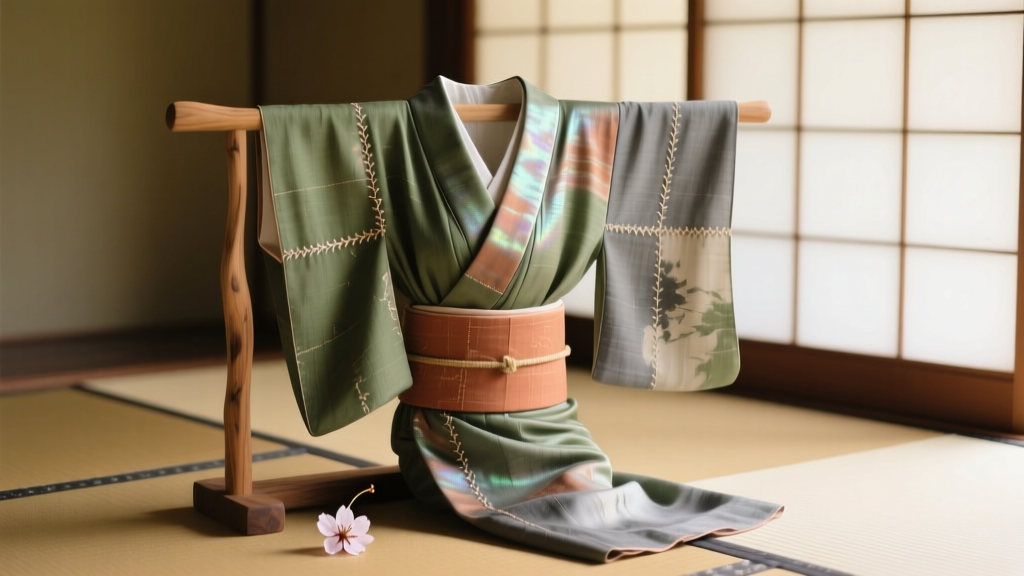
- Summer del (zuniin del): Made from lightweight silk or cotton brocade, unlined or with thin cotton lining. Bright colors and patterns dominate — pinks, blues, and golds.
- Spring/Autumn del: A medium-weight transitional version with quilted cotton or fleece lining.
Regional and Tribal Distinctions
Mongolia's diverse ethnic groups each have distinct del styles:
- Khalkha (majority): Classic right-wrap closure with five silver fasteners, wide sleeves, and a contrasting collar.
- Buryat: Distinctive pointed hat (toortsog) paired with a del that has a higher collar and more elaborate shoulder decorations.
- Kazakh (Bayan-Ölgii province): Fox-fur trimmed del with elaborate embroidery, reflecting Turkic influences.
The Sash and Accessories
Every del is worn with a long silk sash (büs) wrapped several times around the waist. For men, the sash supports a snuff bottle, knife, and flint pouch. For women, it's purely decorative, often in contrasting colors. The sash also serves as a back support during long horseback rides.
Modern Context
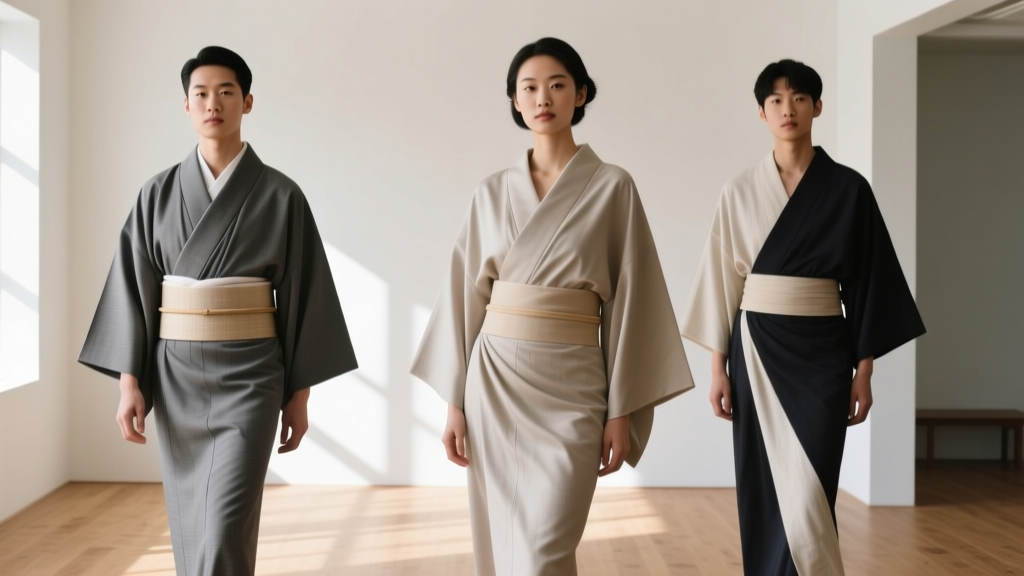
Today, the del remains everyday wear in rural Mongolia and is worn at festivals, weddings, and Naadam celebrations. Urban designers like Michel & Amazonka have created modern del-inspired coats that sell internationally, blending traditional silhouettes with contemporary fabrics and tailoring.